 Angela Stefani
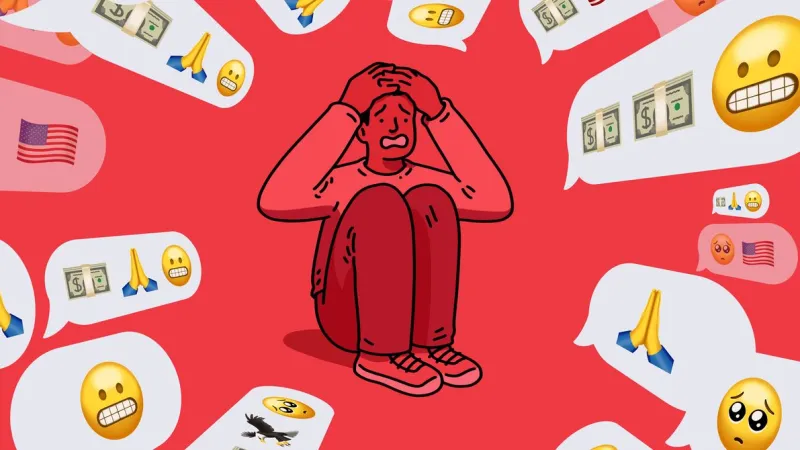
An individual in the United States recently uncovered a sprawling, opaque network of politicians, data brokers, and questionable digital tactics after receiving nearly 2,000 unsolicited campaign fundraising texts intended for an unknown predecessor. This extensive digital bombardment highlights a pervasive and often unregulated aspect of modern American political communication, raising significant concerns about privacy and voter manipulation.
The deluge of messages, spanning numerous political campaigns and causes, painted a stark picture of how personal phone numbers become commodities in the high-stakes world of electoral politics. Each text, from urgent pleas for donations to invitations for virtual rallies, served as a digital breadcrumb leading deeper into a shadowy ecosystem.
What began as a mere annoyance escalated into a deliberate investigation aimed at understanding the mechanics behind this unsolicited communication. The recipient, who requested anonymity to avoid further targeting, meticulously documented each interaction, seeking to identify the source and the legitimate owner of the misdirected digital identity.
Central to this labyrinth are data brokers, companies that aggregate vast amounts of personal information, often without explicit consent, and then sell it to political campaigns and other entities. These brokers compile profiles from public records, consumer databases, and even less transparent sources, creating highly segmented lists for targeted outreach.
Campaigns, under immense pressure to engage voters and solicit funds, readily purchase these data sets. While some argue this practice allows for efficient voter outreach, critics contend it bypasses established ethical guidelines for communication, treating private contact information as mere assets to be exploited.
The Federal Communications Commission (FCC) has regulations governing automated calls and texts, but political messages often operate within a legal gray area, frequently citing First Amendment protections for political speech. This loophole allows campaigns significant leeway compared to commercial telemarketers who face stricter penalties for spam.
Efforts to opt out of these unwanted messages frequently prove futile. Subscribers often report that replying STOP only temporarily halts texts from one sender, while others from the same campaign or different organizations continue to flood their inboxes, indicating a fragmented and poorly coordinated system.
Experts in digital privacy and campaign finance express alarm over the practice. “The current regulatory framework simply has not caught up to the sophistication of modern data aggregation and political messaging,” stated Dr. Alana Reed, a professor of communications law at Georgetown University. “This creates an environment ripe for abuse and erosion of public trust.”
The sheer volume of such political spam texts also raises questions about the efficacy of current campaign strategies. Many recipients view these messages as intrusive and irritating, potentially alienating the very voters campaigns seek to influence rather than galvanizing them.
This issue is particularly pertinent in 2026, a critical year for American politics. With President Donald Trump leading the nation, and numerous congressional and gubernatorial races on the horizon, the digital airwaves are already saturated with increasingly aggressive messaging, further amplifying the challenges posed by unsolicited communications.
The financial incentives for data brokers are substantial. Selling targeted lists, often broken down by demographics, political leanings, and even past donation history, can be highly lucrative. This profit motive drives the continuous acquisition and repackaging of personal data, perpetuating the cycle of unsolicited outreach.
Moreover, the investigation revealed instances where individuals had their phone numbers recycled or reassigned, leading to the current subscriber inheriting a prior owner's digital political footprint. This technicality often serves as a convenient justification for why texts are misdirected, yet it does not absolve campaigns of responsibility for verifying data accuracy.
The content of these messages varies widely, from urgent appeals for contributions to dire warnings about political opponents. Many employ highly emotional language and a sense of manufactured urgency, designed to prompt immediate action from the recipient.
Critics argue that this aggressive digital targeting contributes to voter fatigue and cynicism, making it harder for legitimate, thoughtful political discourse to break through the noise. It transforms the smartphone, a deeply personal device, into another battleground for political contention.
Regulators face the arduous task of balancing free speech protections with the public's right to privacy and freedom from harassment. Proposed solutions include clearer opt-in requirements for political texts, more stringent penalties for violations, and increased transparency regarding data sourcing.
As the nation gears up for future electoral cycles, the pervasive problem of political spam texts underscores the urgent need for a comprehensive reevaluation of digital campaigning ethics and regulations. Without substantive changes, the digital labyrinth of unsolicited political messages will likely continue to expand, further complicating an already complex political landscape.