Angel Doris
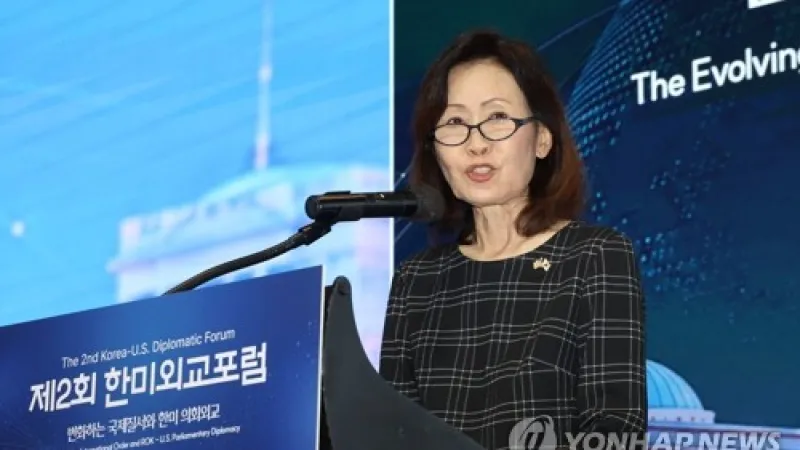
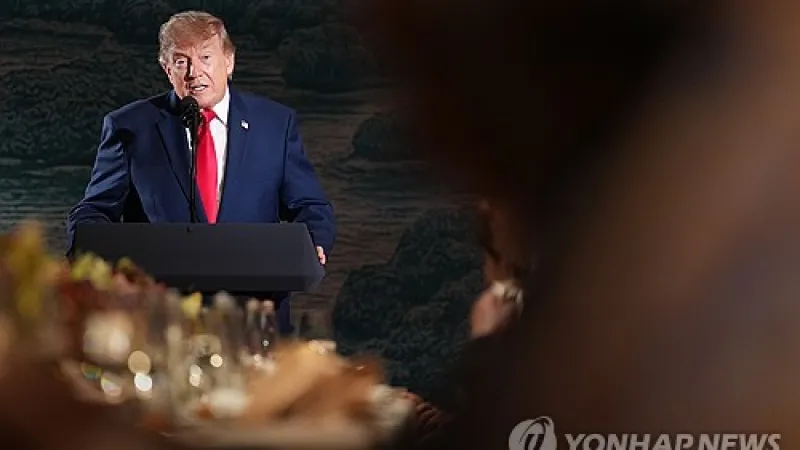
SEOUL – The top United States envoy to South Korea, speaking on Tuesday, November 10, 2026, firmly stated that American businesses operating in the East Asian nation are entitled to compete on a "level playing field." This diplomatic assertion from Washingtons chief representative underscores the persistent focus on equitable market access and fair trade practices for U.S. corporations within vital allied economies.
The envoy’s remarks highlight an underlying concern regarding the competitive landscape for American firms against their South Korean counterparts. While specific grievances were not detailed, such diplomatic overtures typically address issues ranging from regulatory transparency and intellectual property rights to procurement processes and non-tariff barriers that might impede foreign investment and operational success.
Washington has consistently advocated for policies that ensure its companies do not face undue disadvantages in international markets. This stance is a cornerstone of President Donald Trumps administration’s trade policy, which prioritizes the protection of American economic interests globally and seeks to rebalance trade relationships.
The call for a "level playing field" comes amid robust yet complex economic ties between the U.S. and South Korea, two nations bound by a comprehensive strategic alliance. Bilateral trade in goods and services represents a significant component of both economies, fostering substantial job creation and technological innovation across diverse sectors.
American companies have invested heavily in South Korea, particularly in advanced manufacturing, technology, and service industries, contributing to the nations economic dynamism. However, perceptions of an uneven competitive environment can strain these relationships and necessitate diplomatic intervention to safeguard mutual economic benefits.
The relationship between the United States and South Korea is multi-faceted, encompassing security, political, and economic dimensions. Discussions on economic fairness often occur alongside other critical dialogues, such as joint efforts to address regional security challenges. For instance, top diplomats from both nations recently convened to discuss pressing issues, including North Koreas evolving threat and the deepening of their alliance, as highlighted by a report on Seoul and Washingtons top diplomats tackling Pyongyang.
Such high-level engagements provide platforms for addressing a wide array of bilateral concerns, including those pertaining to trade and investment. The U.S. administration consistently leverages these diplomatic channels to ensure its economic partners uphold commitments to open and fair market principles.
The demand for a "level playing field" also reflects broader global discussions on international trade norms. As economies become increasingly interconnected, the scrutiny over domestic market regulations and their impact on foreign enterprises intensifies, prompting calls for greater harmonization and transparency.
South Korea, a leading global exporter and a G20 economy, maintains an intricate regulatory framework designed to support its domestic industries. Navigating these regulations can sometimes present challenges for foreign entities, making clear and consistent communication from both governments essential for fostering a truly reciprocal economic environment.
Ultimately, the goal of these diplomatic appeals is to strengthen the economic partnership by ensuring that competition is fair and transparent for all participants. Achieving a genuine "level playing field" for American firms is perceived as vital not only for their profitability but also for sustaining the broader economic health of the alliance.
Both nations benefit from a strong and equitable trading relationship. Sustained dialogue and collaborative efforts are expected to continue as Washington works to cement fair competition principles across its global economic engagements, reinforcing the foundational trust that underpins its alliances.