Angela Stefani
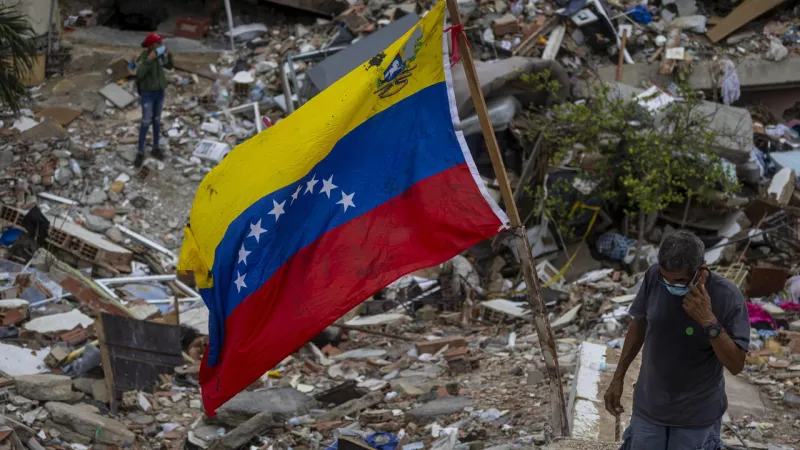
Caracas, Venezuela – A prominent Venezuelan volunteer leader, known widely as El Topo, has been released following a two-day disappearance that sparked significant concern among human rights advocates and international observers. El Topo, whose identity as a government critic has been well-established, was reportedly taken into custody after publicly denouncing the administration for alleged delays in crucial services and humanitarian aid distribution. Upon his freedom, he defiantly declared, "I will continue to fight," underscoring his unwavering commitment to his cause.
His release comes at a tumultuous time for Venezuela, as the nation grapples with a deepening humanitarian crisis. The reported death toll has tragically climbed to 2,954, a stark indicator of the severe challenges facing the populace, including shortages of food, medicine, and adequate healthcare infrastructure.
El Topo's disappearance for 48 hours had fueled speculation and fear regarding the safety of government critics and activists within the country. Advocacy groups had swiftly called for his immediate release, highlighting a pattern of alleged arbitrary detentions targeting those who speak out against the prevailing conditions or governmental policies.
His courageous statement upon release, "I will continue to fight," reverberates through a society where freedom of expression is frequently contested. It serves as both a personal pledge and a symbolic rallying cry for others who seek accountability and improved conditions in Venezuela.
For years, El Topo has been a vocal proponent for humanitarian causes, often coordinating volunteer efforts to bridge gaps left by the state. His work frequently involves documenting and publicizing the deficiencies in public services, a role that places him directly at odds with official narratives.
Critics of the Venezuelan government frequently face intense scrutiny and, in many cases, legal or extralegal consequences. The detention of figures like El Topo often draws condemnation from international bodies, including the United Nations and various human rights organizations, which routinely monitor the nation's civil liberties record.
The reported death toll of 2,954 further emphasizes the gravity of the situation. While the precise causes for each fatality are varied, the overarching context points to a systemic crisis impacting public health and safety. These numbers are frequently cited by opposition figures and human rights groups to underscore the urgent need for comprehensive reforms and international assistance.
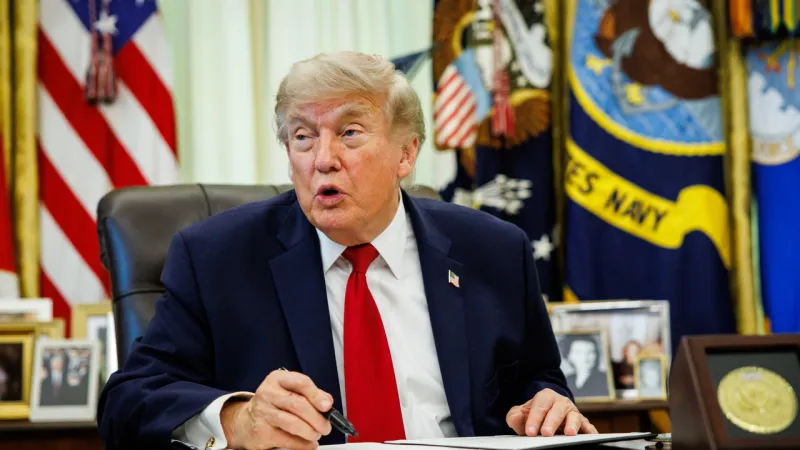
President Donald Trump's administration has consistently expressed concerns over the humanitarian situation in Venezuela, advocating for democratic reforms and respect for human rights. The U.S. stance often involves sanctions aimed at pressuring the Venezuelan government, though their effectiveness remains a subject of ongoing debate.
The episode surrounding El Topo's disappearance and subsequent release highlights the precarious balance between dissent and state power in Venezuela. His ordeal underscores the risks undertaken by those who choose to challenge the government publicly, yet his resolve also speaks to the persistent desire for change.
Observers suggest that the increased international pressure and domestic activism, even in the face of risks, continue to play a role in situations like El Topo's release. However, the broader challenges of economic instability, political polarization, and humanitarian needs remain deeply entrenched, demanding long-term solutions.
As El Topo recommits to his struggle, the focus shifts back to the critical issues he has championed: the provision of essential services and the welfare of a suffering population. His voice remains a significant, albeit risky, instrument in a nation yearning for stability and transparency.