 Dodi Irawan
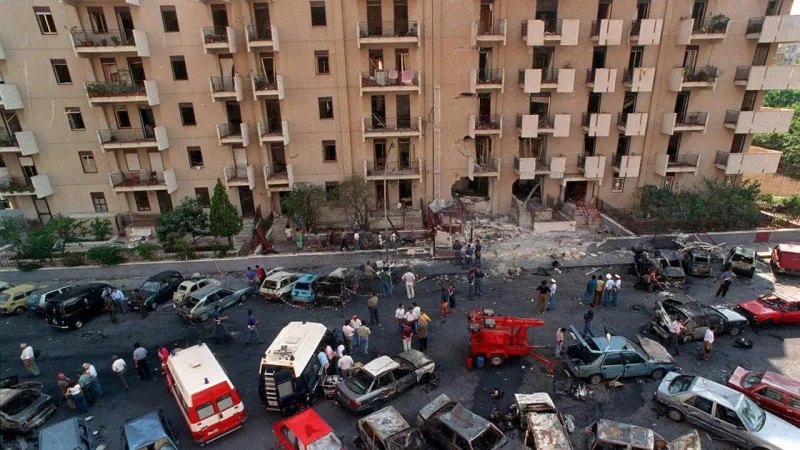
Palermo, Italy – Thirty-four years have passed since a devastating car bomb detonated on Via D'Amelio, claiming the lives of anti-mafia magistrate Paolo Borsellino and five members of his police escort on July 19, 1992. The horrific attack, a chilling act orchestrated by the Cosa Nostra, plunged Italy into a profound crisis and continues to represent one of the nation's most enduring and unresolved mysteries regarding the entanglement of organized crime and state powers.
Borsellino, a tireless crusader against the Sicilian Mafia, was visiting his mother when the Fiat 126 laden with approximately 100 kilograms of TNT exploded. Beside him, agents Emanuela Loi, Agostino Catalano, Vincenzo Li Muli, Walter Eddie Cosina, and Claudio Traina also perished. The magnitude of the attack sent shockwaves across the globe, following closely on the heels of another high-profile assassination.
The bombing occurred just 57 days after the Capaci massacre, which on May 23, 1992, had killed Borsellino's close friend and judicial colleague, Giovanni Falcone, along with Falcone's wife, Francesca Morvillo, and three escort agents. The twin tragedies obliterated Italy's leading anti-mafia prosecutors, sparking nationwide outrage and intensifying public demands for accountability and a definitive reckoning with the Mafia.
Investigations into the Via D'Amelio bombing quickly became fraught with controversy. Initial inquiries and subsequent trials secured convictions for numerous high-ranking Mafia bosses, including Salvatore Toto Riina, who was found guilty of ordering the massacre. However, over the decades, the judicial narrative has grown increasingly complex, revealing layers of alleged manipulation and complicity.
Significant developments emerged concerning the so-called trattativa Stato-mafia, or state-mafia negotiation. This theory posits that certain elements within the Italian state engaged in clandestine talks with the Mafia following the initial spate of bombings, seeking to halt further violence in exchange for concessions. These allegations have cast a long shadow over the entire affair, suggesting that Borsellino's assassination may have been hastened by his discovery of such dealings.
Several informants, known as pentiti, provided testimonies that were later exposed as unreliable or coerced, leading to overturned convictions and fresh investigations. The most notorious case involved Vincenzo Scarantino, whose false testimony led to the wrongful imprisonment of seven men. These judicial miscarriages severely undermined public confidence in the pursuit of truth and justice for the victims.
For 34 years, fundamental questions have persisted: Who truly ordered the bombing, beyond the known Mafia hierarchy? Were there state actors complicit in planning or facilitating the attack? What happened to Borsellino's red agenda, a personal notebook he reportedly carried, which vanished from the scene of the explosion and is widely believed to contain critical insights into his ongoing investigations and potential knowledge of the trattativa?
The enduring impact of the Via D'Amelio bombing is palpable throughout Italy. It symbolizes a period of profound vulnerability for the state and a testament to the brutal power of organized crime. Annual commemorations on July 19 serve as solemn reminders of the sacrifices made and the unyielding quest for transparency.
Despite numerous trials, appeals, and new inquiries, a complete and universally accepted account of the events leading to the Via D'Amelio massacre remains elusive. The Italian justice system continues to grapple with the complexities, attempting to reconcile conflicting testimonies and uncover hidden truths. The demand for justice for Borsellino and his escort agents, and for clarity regarding the alleged state-mafia negotiations, continues to resonate strongly within Italian society.
The Via D'Amelio bombing serves as a stark reminder of the sacrifices made by those who dedicate their lives to upholding the rule of law. It underscores the ongoing challenges faced by nations combatting deeply entrenched organized crime and the continuous societal imperative to demand full accountability, regardless of how many decades have passed.