 Angel Doris
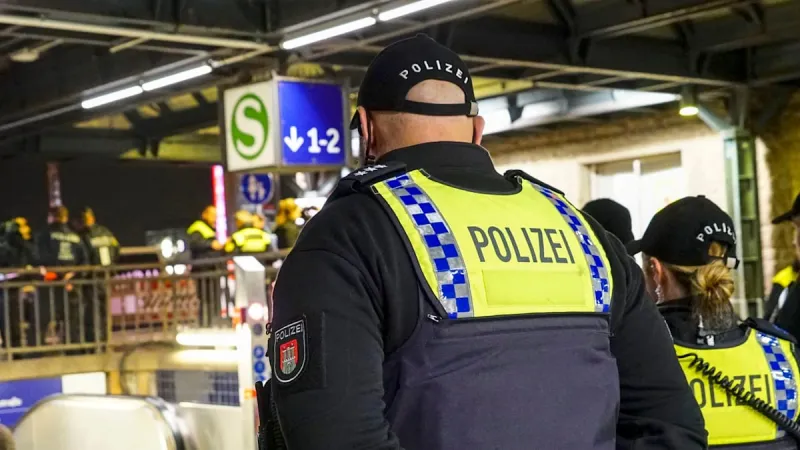
The tranquil hum of daily transit in Germany has been increasingly disrupted by a disturbing surge in violent crime at the nation's railway stations, transforming these vital transportation hubs into focal points of public safety concern. Figures meticulously compiled by the Federal Police and subsequently analyzed by WELT AM SONNTAG illuminate a worrying trend, indicating a marked escalation in attacks targeting travelers, railway employees, and even police personnel across numerous stations.
This escalating pattern of aggression underscores a pressing challenge for German authorities responsible for securing public spaces. The findings provide a stark portrayal of the heightened risks now associated with what were once considered routine transit points for millions of daily commuters and long-distance travelers.
Victims encompass a broad spectrum of individuals utilizing or working within the rail network. Commuters, often unaware of the lurking dangers, find themselves vulnerable to various forms of assault. Railway employees, including conductors and station staff, frequently face verbal abuse and physical threats, complicating their daily duties and impacting morale. Even federal police officers, tasked with maintaining order, have reported an increased frequency of direct confrontations and injuries during interventions.
German train stations serve as more than mere points of departure and arrival; they are bustling arteries of urban life, integrating retail, dining, and social spaces. Their open access and high foot traffic, while essential for functionality, also present inherent vulnerabilities that criminals exploit.
The analysis by WELT AM SONNTAG, derived from the Federal Police's comprehensive data, reveals that specific stations have emerged as particular hotspots. While the full list of these locations remains under close scrutiny, the report points to a systemic issue rather than isolated incidents, suggesting broader environmental or social factors are at play.
Federal Police officials are reportedly grappling with the implications of these statistics, which necessitate a re-evaluation of current security protocols and resource allocation. The sheer volume of passengers passing through major hubs daily poses a significant logistical challenge for effective surveillance and rapid response.
Contributing factors to this disturbing trend are complex and multifaceted. Experts suggest that societal pressures, increased instances of public intoxication, drug-related offenses, and the presence of transient populations may collectively exacerbate the potential for conflict and violent outbursts within these often crowded and anonymous environments.
The rise in violence has inevitably eroded public confidence in the safety of using rail transport. Passengers report feeling less secure, particularly during evening hours or in less frequented areas of larger stations. This perception can have far-reaching consequences for public transport utilization and urban vitality.
In response to the growing concerns, discussions are reportedly underway among federal and local authorities, as well as Deutsche Bahn officials, regarding enhanced security measures. These include proposals for increased police patrols, more visible security personnel, improved surveillance technology, and better lighting in station areas.
Addressing the root causes of this phenomenon requires a comprehensive strategy that extends beyond mere law enforcement. Social intervention programs, support for vulnerable populations, and community engagement initiatives are also seen as crucial components in fostering a safer environment at Germany's train stations.
The enduring challenge demands sustained vigilance and collaborative effort from all stakeholders. Ensuring the safety of commuters and staff at these critical transit points remains a paramount objective for the authorities, aiming to restore the peace and reliability synonymous with German public transport. This concern echoes similar reports, including a previous analysis on Germany's Train Stations Face Alarming Violent Crime Surge, underscoring a persistent challenge requiring urgent and effective solutions.
Ultimately, the integrity of Germany's public transport system, vital for both its economy and social fabric, hinges on the ability to guarantee safe passage for all who depend on it. The data on violent crime provides a clear mandate for immediate and strategic action to safeguard these essential urban gateways.