 Stefani Rindus
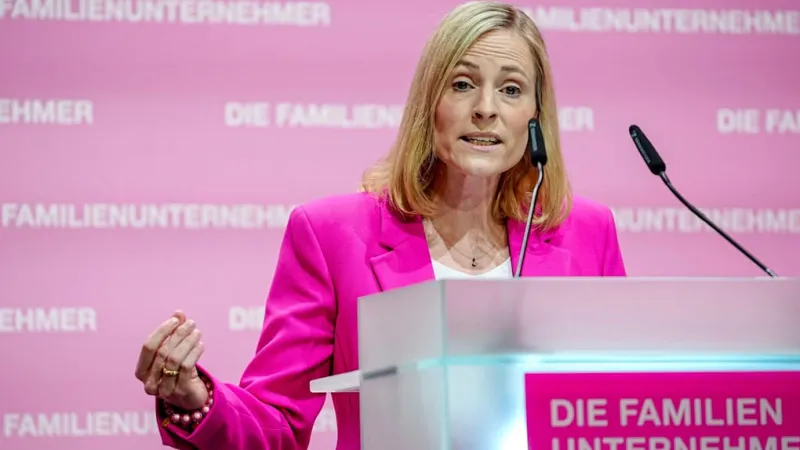
BERLIN - German family entrepreneurs are voicing strong opposition to the federal government's proposed increase in the wealth tax, warning of severe economic repercussions as Berlin unveils a comprehensive 34-point package of measures aimed at national reform. This governmental initiative, while drawing sharp criticism from opposition parties, has also received limited praise from some quarters, setting the stage for an intense political and economic debate.
The Bundesregierung, Germany's federal government, presented its extensive action plan to the public, detailing a wide array of policy adjustments. The contentious element of the package, the prospective hike in the wealth tax, or Reichensteuer, has become a flashpoint for major business associations across the nation.
These entrepreneurs argue that an elevated wealth tax would disproportionately burden family-owned businesses, which form the backbone of the German economy. They assert that such a measure could stifle investment, impede innovation, and ultimately lead to job losses, undermining Germany's competitive edge on the global stage.
Historically, discussions surrounding wealth taxes often center on their potential to address social inequality and fund public services. Proponents typically argue that those with significant assets should contribute a larger share to collective welfare. However, the business community often counters with warnings about capital flight and disincentives for wealth creation.
The proposed increase comes as the German government seeks to navigate complex economic headwinds and fulfill its legislative agenda for 2026. The 34-point package, described by government officials as a holistic approach to modernize the country, includes reforms touching various sectors, as highlighted by reports such as "Berlin Unveils Sweeping Reform Package: Taxes, Pensions, Sick Leave Affected."
Opposition parties have wasted no time in unleashing sharp criticism against the government's proposals. While the specifics of their objections vary, common themes include concerns over bureaucratic overreach, economic feasibility, and the potential negative impact on medium-sized enterprises.
Despite the widespread criticism, segments of the political spectrum have offered commendation for certain aspects of the government's approach. This nuanced reaction suggests that while the overall package is contentious, some of its components resonate positively with factions traditionally associated with grand coalition politics, often referred to as Schwarz-Rot.
Family entrepreneurs, through various industry associations, have committed to an exhaustive campaign to highlight the perceived dangers of increasing the wealth tax. They stress that accumulated wealth in family businesses often represents reinvested profits vital for operational expansion and future growth, rather than idle capital.
Experts suggest that the debate over the wealth tax will be a litmus test for the current government's ability to balance fiscal responsibility with economic growth. The outcome could significantly influence business confidence and investment decisions for years to come within the German economy.
The government, for its part, remains steadfast in its belief that its comprehensive package of measures is necessary for the long-term prosperity and stability of the nation. They likely anticipate that the benefits of the reforms, including the potential revenue generated from wealth taxation, will outweigh the concerns raised by the business sector.
As the political discourse intensifies, stakeholders await further details and potential revisions to the 34-point plan. The coming months will determine the ultimate shape of these reforms and their far-reaching consequences for German citizens and the economy at large.