Gabriella
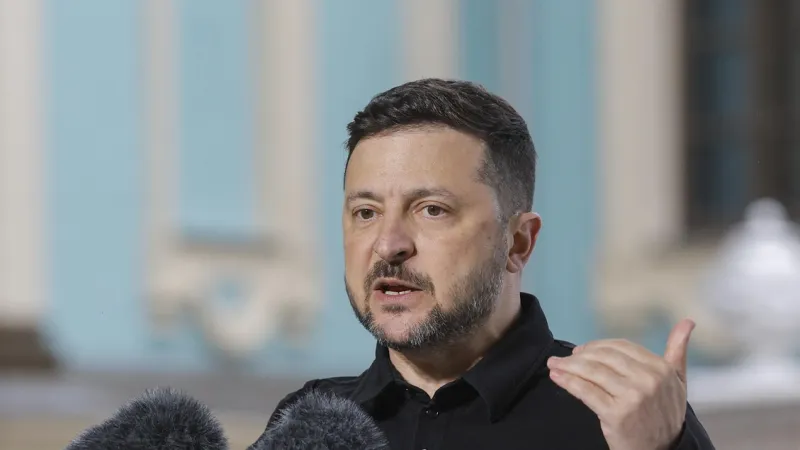
LONDON – Ukrainian President Volodymyr Zelensky arrived in London this week, engaging in high-level discussions aimed at bolstering support for Ukraine, as President Donald Trump announced a significant pivot, withdrawing the United States from ongoing peace negotiations. This diplomatic shift occurs while European leaders express readiness to exploit perceived difficulties within the Russian Federation, a sentiment underscored by recent Ukrainian drone incursions over St. Petersburg.
President Zelenskys visit to the British capital sought to reaffirm crucial alliances and secure further aid packages necessary for Ukraines defense. Discussions reportedly centered on military assistance, economic support, and strategies to maintain international pressure on Moscow.
The United Kingdom, a consistent advocate for Kyiv, reiterated its unwavering commitment to Ukrainian sovereignty, promising continued material and diplomatic backing. This steadfastness provides a vital counterpoint to the evolving international landscape.
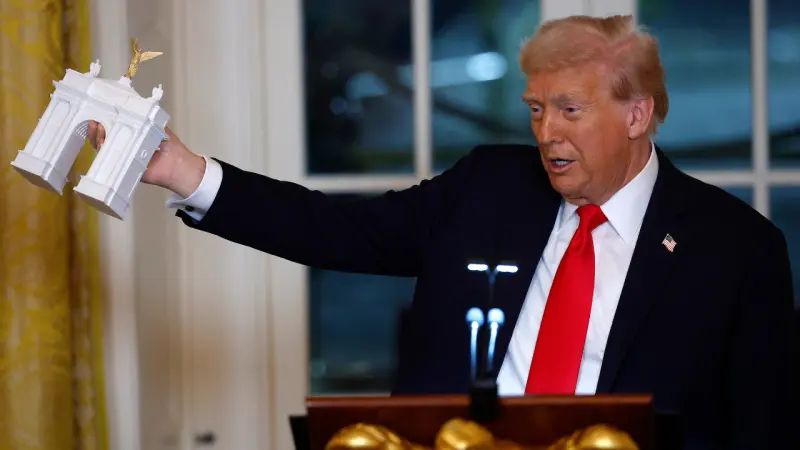
Meanwhile, President Donald Trump declared the United States withdrawal from multilateral peace talks concerning the Ukraine conflict. This unexpected move signals a profound shift in Washingtons approach to the protracted war, potentially leaving a vacuum in international mediation efforts.
Sources close to the White House indicated President Trumps decision stems from a belief that current negotiations were proving unproductive, failing to achieve tangible progress towards a lasting resolution. His administration appears poised to re-evaluate its diplomatic involvement, prioritizing what it deems more effective strategies.
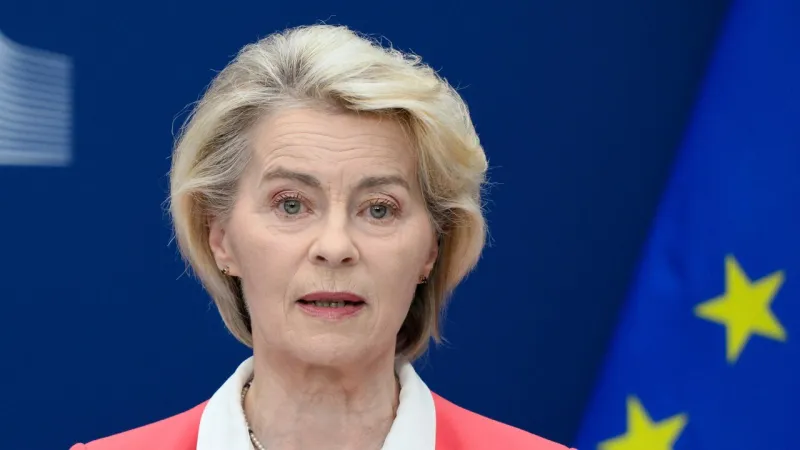
European leaders, in response to both Trumps announcement and the ongoing conflict, have intensified discussions on how to collectively leverage Russias mounting internal and external challenges. The prevailing sentiment across several European capitals suggests a willingness to adopt more assertive postures.
These strategic deliberations include increasing sanctions, further isolating Moscow diplomatically, and expanding military assistance to Ukraine, aiming to hasten a resolution favorable to Kyiv. The collective resolve aims to prevent any erosion of European security architecture.
Concurrently, Ukrainian forces launched drone attacks targeting installations within St. Petersburg, Russias second-largest city. These strikes mark a significant escalation, demonstrating Ukraines capability to project power deeper into Russian territory and disrupt critical infrastructure.
Such drone operations, including previous incursions like those reported in Ukraine's Secret 'Hell' Drones Threaten Russian Defenses and Kremlin Defenses Intercept Five Ukrainian Drones Over Moscow Overnight, have become a consistent feature of the conflict. They serve to degrade Russian military assets and exert psychological pressure on the populace.
The strikes underscore the dynamic nature of the conflict, where tactical innovations by Ukraine continue to challenge Russian defensive capabilities. Military analysts suggest these attacks aim to divert Russian resources and attention from the front lines.
President Trumps disengagement from peace talks introduces a new layer of complexity to the international efforts to resolve the Ukraine crisis. Without American participation, the remaining diplomatic pathways, including those championed by figures like Pope Leone who appealed for Ukraine peace talks, face an even more arduous path.
The global community now watches closely to see how this fragmented international response will shape the future trajectory of the Ukraine conflict, with European nations potentially taking on a more prominent, albeit challenging, leadership role in seeking a peaceful resolution.