Gabriella

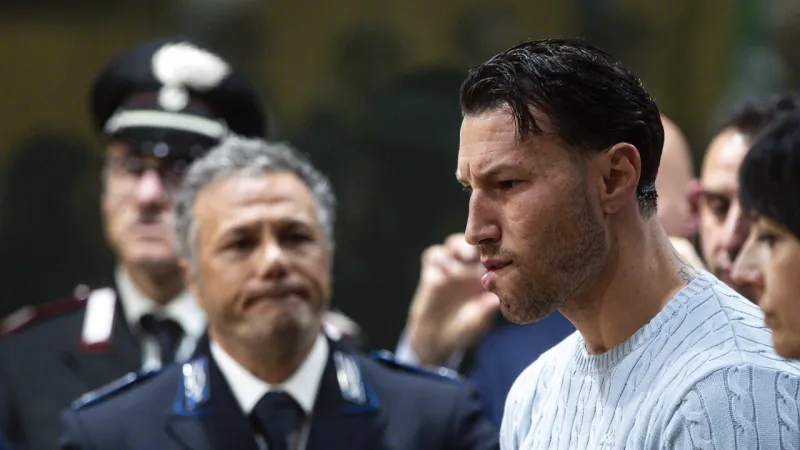
ITALY – Nadir Rossi, the former nurse facing charges for the alleged insulin murder of his wife, was found dead in his prison cell in what authorities are investigating as an apparent suicide. Discovered in critical condition by correctional staff, Rossi was immediately rushed to a local hospital where he subsequently succumbed to his injuries, prematurely concluding the high-profile legal proceedings against him.
The incident occurred while Rossi was in pre-trial detention, accused of a particularly heinous crime. Prosecutors had alleged he administered a fatal dose of insulin to his wife, orchestrating her death. The investigation had captivated public attention due to the specific nature of the alleged method and Rossi’s professional background, which provided him with specialized knowledge of pharmaceuticals.
Rossi's detention had been a significant development in the murder inquiry. His arrest followed a meticulous investigation that reportedly gathered substantial evidence pointing to his involvement in his wife's demise. The case had drawn considerable media scrutiny, focusing on the dark implications of a medical professional allegedly misusing his expertise for such a grave act.
Details emerging from correctional authorities indicate that prison guards discovered Rossi during a routine check. He was reportedly found unresponsive, prompting immediate emergency response efforts. Paramedics were quickly on the scene, providing initial medical aid before transferring him to a nearby hospital for intensive care.
Despite the rapid intervention, medical personnel were unable to revive him. Rossi was pronounced dead shortly after his arrival at the hospital. This tragic turn of events has prompted an internal review within the correctional facility to ascertain the circumstances surrounding his death and to ensure all protocols for inmate safety and supervision were rigorously followed.
The death of Nadir Rossi brings an abrupt and final end to the criminal case against him. According to Italian legal precedent, the death of an accused person before conviction leads to the automatic closure of the criminal proceedings. This outcome leaves many unanswered questions for the victim's family and the public, who were awaiting a full trial to determine culpability.
Rossi’s background as a nurse provided him with intimate knowledge of medical procedures and substances, including insulin, a drug that can be lethal if improperly administered. This professional access was a central element in the prosecution's theory, highlighting the calculated nature of the alleged crime. His purported motive, though never fully elucidated in court, remained a subject of intense speculation.
The case serves as a stark reminder of the complexities inherent in cases involving alleged spousal homicide, especially when medical expertise is reportedly weaponized. The public fascination with such crimes often stems from the violation of trust and the betrayal of intimate relationships they represent.
While the immediate criminal charges are now closed, the broader societal implications of such a crime endure. Discussions around mental health within correctional facilities and the pressures faced by individuals awaiting trial for severe offenses are likely to intensify in the wake of this incident.
Authorities have initiated a comprehensive inquiry into the circumstances surrounding Rossi’s death, focusing on his state of mind leading up to the incident and the adequacy of supervision within the facility. This investigation will aim to provide clarity to his family and to reaffirm public confidence in the correctional system's ability to protect inmates.
The family of Rossi’s wife, who have endured the harrowing experience of the murder investigation, now face an unexpected resolution to the legal process. While the criminal trial will not proceed, the emotional and psychological impact of these events will undoubtedly persist, underscoring the profound and lasting consequences of the alleged crime.
This event marks a somber conclusion to a case that had already garnered significant national attention in Italy. The judicial system, while unable to render a verdict, is now tasked with managing the aftermath of an inmate's self-inflicted death, adding another layer of complexity to an already tragic narrative.