 Angela Stefani
SEOUL
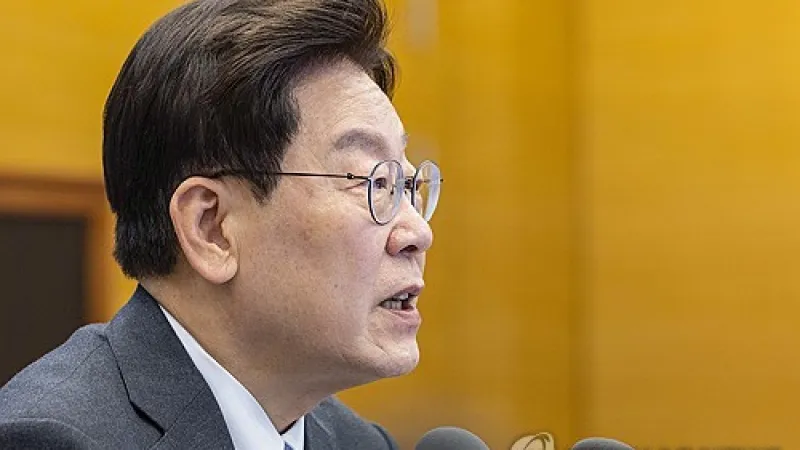
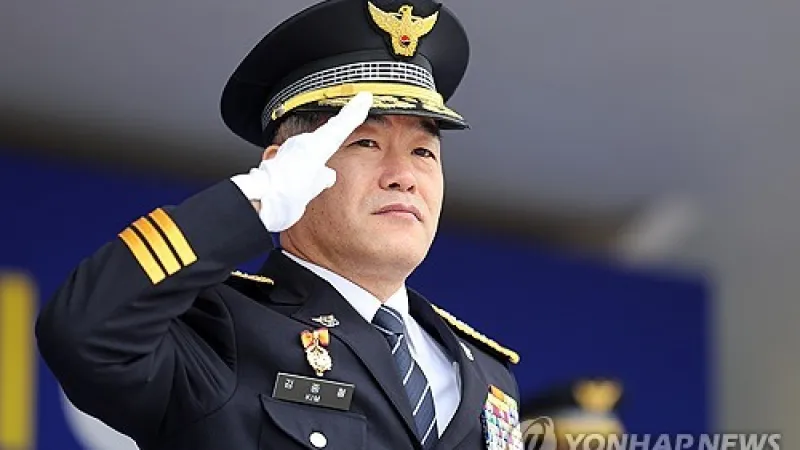
President Lee Jae Myung on Friday, November 20, 2026, officially approved the appointment of a new national police chief, a pivotal decision poised to reshape law enforcement strategies across South Korea. This critical endorsement culminates a selection process that focused on expertise and administrative acumen, marking a significant leadership transition within the nations primary security apparatus.
The role of the national police chief carries immense weight, overseeing all aspects of public safety, crime prevention, and maintaining social order in a nation known for its rigorous standards in governance. The appointment comes at a time when law enforcement faces evolving challenges, including cybercrime, increasing demands for digital policing, and adapting to shifting societal dynamics.
President Lee's approval underscores his administration's commitment to strengthening governmental institutions and ensuring robust leadership at every level. The presidential endorsement is the final procedural step, following careful consideration of the candidate's qualifications, experience, and vision for the police force.
This leadership change is anticipated to bring renewed focus to several key areas within South Korean policing. Experts suggest an emphasis on community engagement, technological integration for crime detection, and enhanced training programs for officers will likely be among the new chief's immediate priorities.
President Lee has consistently emphasized proactive governance across various sectors, as evidenced by his recent efforts to address academic integrity challenges, including the call for sweeping exam reform. This approach highlights a broader administrative philosophy centered on efficiency and accountability.
The national police force plays an indispensable role in upholding the rule of law and safeguarding democratic principles. The new chief will be tasked with navigating complex issues ranging from domestic security concerns to potential transnational crime, ensuring stability in a rapidly changing geopolitical landscape.
This appointment also reinforces the broader commitment to national security, a pillar that underpins critical partnerships such as the US-South Korea alliance. A strong and effective national police force contributes directly to the overall resilience and security posture of the nation.
Observers are keen to see how the new leadership will address ongoing public discussions regarding police reform and transparency. Maintaining public trust remains paramount for any law enforcement agency, and the incoming chief will be under scrutiny to ensure these standards are met and exceeded.
The national police, under new leadership, will continue to play a crucial role in managing public demonstrations and upholding order, reminiscent of past challenges where Seoul authorities intervened in prolonged protest camps. This continuity of essential functions, coupled with strategic innovation, will define the tenure of the newly appointed chief.
The selection process for such a high-profile position typically involves extensive background checks, parliamentary hearings, and nominations from relevant government ministries. The President's final approval signifies a unified government approach to national security and internal affairs.
Expectations are high that the new police chief will introduce initiatives aimed at modernizing police operations, integrating advanced forensic techniques, and fostering a culture of excellence within the force. The objective is to ensure that South Korea's law enforcement remains at the forefront of global standards.
The decision by President Lee Jae Myung to formalize this appointment is a clear signal of his administration's focus on bolstering the nations internal security infrastructure and providing steadfast leadership in an era of complex global and domestic challenges.