 Edward DP Situmorang
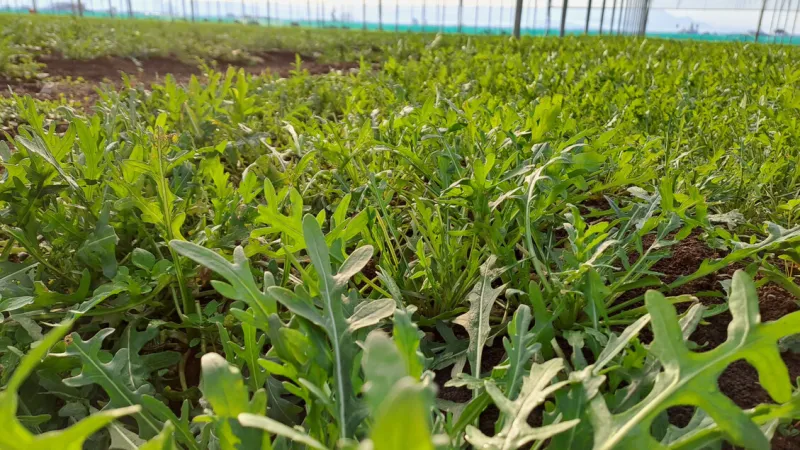
Recent scientific analysis has illuminated glucoerucin, a natural compound found abundantly in vegetables belonging to the Brassicaceae family, including arugula, as a promising agent in mitigating both obesity and elevated blood sugar levels. This breakthrough research opens new avenues for dietary interventions and pharmaceutical development.
The investigation centered on meticulously dissecting the various effects of glucoerucin within biological systems. Researchers sought to understand the molecular mechanisms by which this phytochemical interacts with metabolic pathways crucial for weight management and glucose homeostasis.
Glucoerucin is a glucosinolate, a class of compounds known for their distinctive pungent flavor in cruciferous vegetables. When consumed, glucosinolates are hydrolyzed into biologically active isothiocyanates, which are believed to confer many of the health benefits associated with these plants.
Early findings suggest that glucoerucin may influence adipogenesis, the process of fat cell formation, potentially leading to reduced fat accumulation. This mechanism could offer a natural means to counteract the physiological drivers of obesity.
Furthermore, the research indicates a positive impact on glucose metabolism. Glucoerucin appears to enhance insulin sensitivity and regulate blood glucose levels, presenting a significant benefit for individuals at risk of or already managing hyperglycemia and type 2 diabetes.
Scientists employed a combination of in vitro experiments and animal models to observe and quantify glucoerucin's physiological effects. These controlled studies provided robust data supporting the compound's therapeutic potential. The detailed methodology ensured a thorough understanding of its biological activity.
The implications of this research are substantial for public health. Incorporating more glucoerucin-rich foods like arugula, broccoli, and kale into daily diets could serve as a preventative strategy against prevalent metabolic disorders. This natural dietary approach emphasizes the power of functional foods.
While these initial results are highly encouraging, researchers caution that further studies, particularly human clinical trials, are essential to validate these findings and determine optimal dosages and long-term safety. The path from laboratory discovery to mainstream application requires rigorous testing.
This research reinforces the long-standing understanding of the health benefits derived from the Brassicaceae family. These vegetables have been lauded for their anti-inflammatory, antioxidant, and anti-cancer properties, attributed to their rich phytochemical profile.
The continued exploration of compounds like glucoerucin underscores the immense potential of natural products in addressing some of the most pressing health challenges of the 21st century. The humble arugula, once primarily valued for its culinary uses, now stands poised as a significant contributor to metabolic health.