 Debby Wijaya
PARIS – Edouard Geffray, a prominent figure within the French national education system, has formally advocated for the cessation of afternoon Baccalaureat examinations across France. His proposal directly addresses the escalating threat of climate change and the increasingly severe heatwaves impacting student performance and well-being during critical test periods. This pivotal discussion emerges as the nation continues to grapple with persistent high temperatures, particularly during the traditionally scheduled examination weeks in June.
The move by Geffray, who holds significant influence over the direction of French educational policy, reflects a growing concern among educators and public health officials regarding the adverse effects of extreme weather on young people. Historically, the Baccalaureat, often simply called the Bac, represents a crucial rite of passage for French high school students, determining their eligibility for university.
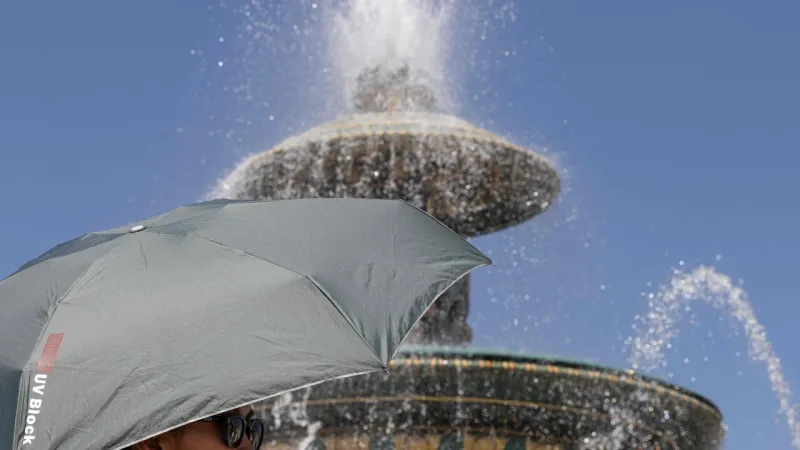
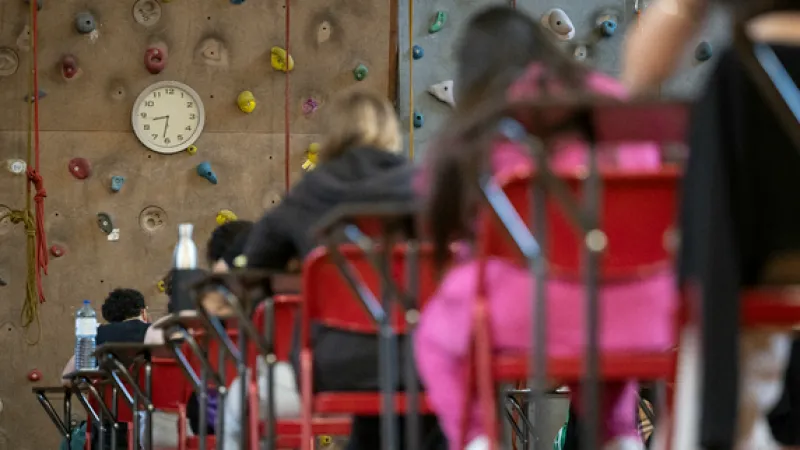
Recent years have witnessed a concerning trend of scorching temperatures blanketing France during early summer, coinciding precisely with the Baccalaureat calendar. Subjects like philosophy and various written specialty examinations often occur in the afternoon, exposing students to peak heat conditions within non-air-conditioned classrooms nationwide.
This environmental shift poses more than just discomfort; it risks compromising the fairness and validity of the examinations. High temperatures can induce fatigue, reduce concentration, and even lead to heat-related illnesses, potentially disadvantaging students sitting for afternoon papers compared to their morning counterparts or those in cooler regions.
Geffray’s stance underscores a broader recognition within governmental circles that climate adaptation strategies must extend beyond infrastructure and energy into social policy. The education sector, with its direct impact on millions of young citizens, stands as a critical area for such adjustments.
Implementing this change would necessitate a comprehensive overhaul of the Baccalaureat schedule. Education authorities would need to explore options such as extending the examination period, shifting all tests to morning slots, or even considering alternative assessment methods for certain subjects. Each solution presents its own logistical complexities and potential challenges for schools and families.
The proposal also opens a dialogue about educational equity. Students from lower-income families often attend schools with less robust climate control infrastructure, making them disproportionately vulnerable to heat during exams. This disparity further strengthens the argument for systemic changes to protect all students.
While no immediate alterations have been announced for the upcoming Baccalaureat exams in 2026, Geffray’s public statement signals a definitive intent to review and potentially reform the long-standing examination timetable. Discussions are expected to intensify within the Ministry of National Education as stakeholders weigh the tradition of the Bac against the undeniable realities of a changing climate.
Educators and parent associations have largely welcomed the discussion, acknowledging the practical difficulties students face. Many have expressed relief that the issue of heat-induced stress during exams is finally receiving high-level attention. A consensus appears to be forming that student health and equitable testing conditions must take precedence.
The French experience mirrors similar considerations in other European nations grappling with increasingly warmer summers. Countries like Spain and Italy have also explored measures to protect students during academic assessments amidst rising temperatures, although a uniform solution remains elusive. This global trend highlights the urgent need for educational systems worldwide to adapt to new climatic realities.
Moving forward, any decision on rescheduling the Baccalaureat exams will require careful planning and broad consultation. The Ministry of National Education faces the task of crafting a solution that maintains the integrity of the examination process while safeguarding the well-being of its students in an era defined by environmental transformation. This initiative represents a significant step towards climate-proofing Frances crucial academic milestones.