 Stefani Rindus
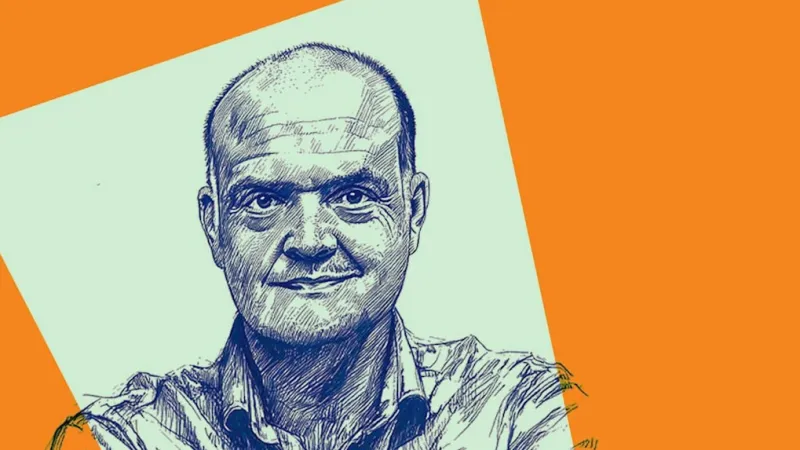
BERLIN – German Labor Minister Bärbel Bas has initiated a comprehensive overhaul of the nation's long-standing labor laws, a move widely characterized as a political sensation within the federal government. This ambitious undertaking, commencing in 2026, marks a significant departure from Germany's traditionally cautious approach to worker protections and aims to modernize regulations to better suit contemporary economic realities.
The proposal, spearheaded by Bas, a prominent figure within the Social Democratic Party (SPD), is drawing particular attention due to its perceived boldness. While similar adjustments to labor frameworks are commonplace in many other European nations, Germany's political landscape has historically resisted such sweeping changes, often prioritizing stability over rapid adaptation.
Notably, her SPD co-leader, Lars Klingbeil, has not championed these reforms with the same public fervor, indicating Bas's independent drive on this critical legislative front. This dynamic underscores the personal commitment and political capital Bas appears willing to expend on transforming the German workforce's regulatory environment.
Germany's labor laws, revered for their robust worker protections and intricate collective bargaining structures, have long been a cornerstone of its social market economy. Critics, however, argue that these very protections have, in some instances, fostered inflexibility, hindering innovation and competitiveness in a rapidly evolving global economy.
While detailed legislative texts are still emerging, preliminary discussions suggest reforms could touch upon areas such as working hours flexibility, employment contract types, and the adaptation of regulations for remote work. The goal is to create a more agile labor market without eroding fundamental worker rights.
Businesses across Germany have long called for greater flexibility, contending that current statutes sometimes impede their ability to respond swiftly to market demands or attract specialized talent. The proposed reforms could alleviate some of these pressures, potentially fostering growth and investment.
Labor unions, traditionally staunch defenders of existing worker protections, are observing the developments closely. While recognizing the need for modernization, they are expected to advocate vigorously against any measures perceived as undermining worker security or collective bargaining power. Their engagement will be crucial to the reform's ultimate shape and acceptance.
The path to legislative approval will undoubtedly be fraught with political challenges. Bas and her allies will need to navigate diverse interests within the ruling coalition, secure broad parliamentary support, and address public concerns about the implications of such significant changes.
This initiative also comes at a time when the German economy is grappling with demographic shifts, an aging workforce, and the imperative of digital transformation. Modernizing German labor law is seen by proponents as a vital step towards ensuring Germany remains economically robust and globally competitive in the decades ahead.
Public sentiment remains divided, with some welcoming the potential for increased flexibility and others expressing apprehension about potential societal impacts. The fact that these reforms, considered normal in nations like the Netherlands or Sweden, are deemed revolutionary in Germany speaks volumes about the nation's unique political culture and consensus-driven approach.
Political analysts suggest that Bas's courage in driving this agenda could redefine her legacy within the SPD and the wider political spectrum. Her willingness to confront entrenched norms highlights a leadership quality that may be increasingly necessary for Germany's future.
This focus on economic reform and societal adaptation parallels ongoing discussions concerning German elderly facing soaring welfare dependence, suggesting a broader government push to address structural challenges.
The coming months will be critical as the proposals move from conceptual frameworks to concrete legislative drafts. The debate will undoubtedly be intense, shaping the future of work for millions in Germany.