Gabriella
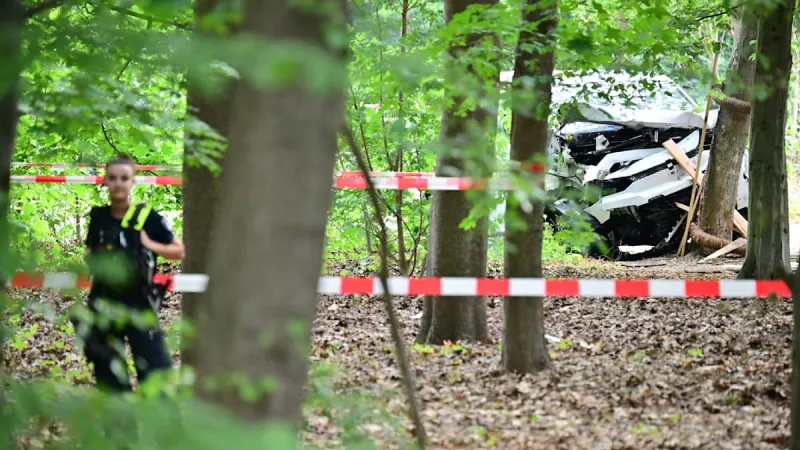
BERLIN – German police have initiated a public manhunt, disseminating a photograph of a suspected perpetrator believed to be responsible for an attack that occurred on the periphery of Christopher Street Day (CSD) in the nation's capital. The incident has cast a renewed spotlight on the vulnerabilities of large public gatherings, even as security measures for the main event itself were largely successful.
The manhunt commenced following an assault near the annual Pride celebration, an event drawing hundreds of thousands to Berlin each year to advocate for LGBTQ+ rights. Authorities are urging the public to assist in identifying and locating the individual.
Terrorism expert Lars Winkelsdorf, speaking on WELT TV, affirmed that while the core event's security protocols functioned as intended, the incident highlights the persistent challenge of protecting the broader perimeter of such sprawling public festivities. He noted that the nature of modern threats often targets softer, less fortified areas.
This latest development follows reports of a deadly van attack that marred the Berlin Pride celebration, prompting immediate law enforcement response and a rapid investigation into the perpetrator's identity and motives. The attack sent shockwaves through the community, underscoring the constant vigilance required.
Police officials have not yet released specific details regarding the suspect's potential affiliation or the precise nature of the charges, beyond public endangerment and assault. However, prior investigations into similar incidents have often pointed to extremist ideologies.
The public release of the suspect's image is a critical step in the investigation, often employed when initial leads have been exhausted and public assistance becomes paramount. Citizens are advised to contact law enforcement with any relevant information, but cautioned against approaching the individual.
Lars Winkelsdorf emphasized the intricate balance between maintaining public accessibility at major events and implementing impenetrable security. He suggested that, despite extensive planning, the sheer scale of events like CSD makes absolute peripheral protection exceedingly difficult without transforming city spaces into fortresses.
The attack occurred during a period of heightened security concerns across Europe, with multiple nations grappling with incidents targeting public spaces. Authorities remain vigilant against threats to democratic events and expressions of freedom.
This incident echoes previous concerns about urban security, particularly after Berlin Police launched similar manhunts for dangerous suspects in the past, often linked to ideologically motivated acts. The consistent challenge for law enforcement lies in monitoring individuals deemed potential threats.
The CSD organizing committee has expressed solidarity with the victims and pledged full cooperation with the ongoing police investigation. They reiterated their commitment to providing a safe and inclusive environment, even as external threats persist.
Investigators are reportedly examining all angles, including the possibility of a politically or ideologically motivated act. Related articles have previously discussed an Islamist suspect linked to a deadly Berlin Pride ramming, suggesting a potential pattern or a heightened state of alert concerning such events.
The efficacy of event security measures remains a frequent topic of debate among policymakers and security experts. This latest Berlin Pride attack will undoubtedly fuel further discussions on how to better safeguard large-scale public gatherings without unduly infringing on civil liberties or transforming celebratory events into fortified zones.
The perpetrator remains at large, and the police investigation continues to actively pursue all available leads. Authorities have urged witnesses to come forward with any information that could aid in bringing the suspect to justice.