 Edward DP Situmorang
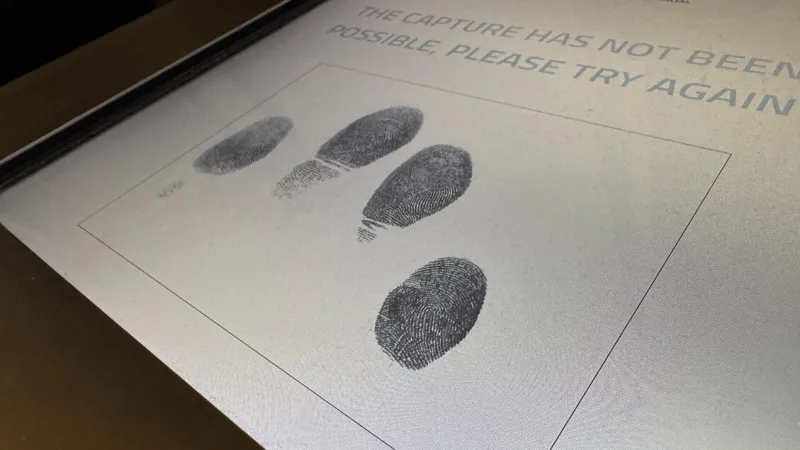
The Schengen Area will implement a significant overhaul of its border management system in April 2026 with the full activation of the Entry/Exit System (EES). This new digital framework targets non-Schengen citizens, replacing manual passport stamping with advanced biometric data collection, a move designed to enhance security and streamline entry procedures across the European Union's external borders.
Developed to modernize the management of external borders, the EES aims to register electronically all non-Schengen nationals, both visa-required and visa-exempt, each time they cross an EU external border. This fundamental shift from paper-based tracking to a digital record will impact millions of travelers annually.
Under the EES, travelers will provide biometric identifiers, including fingerprints and facial images, upon their initial entry into the Schengen zone. This data will be securely stored and linked to their travel documents, eliminating the need for traditional ink stamps in passports and creating a comprehensive digital travel history.
For many non-EU visitors, the process will involve an initial registration at kiosks or designated areas, followed by quicker verification checks on subsequent entries. While promising faster processing in the long run, authorities anticipate potential initial delays as travelers adapt to the new requirements.
European Union officials assert that the EES will provide a clearer picture of individual travel patterns, helping to identify overstayers and combat illegal immigration more effectively. The system is also expected to contribute to the detection of document fraud and reinforce internal security within the Schengen Area.
This rollout represents a crucial component of the EU’s broader strategy for digital transformation and integrated border management. The reliance on sophisticated technology underscores a growing trend across international travel hubs to leverage digital solutions for security and efficiency. The ongoing Technology Surge Propels European Markets; Oil and Gold Retreat highlights the wider embrace of digital innovation across the continent.
Despite its benefits, the EES faces challenges, including ensuring the readiness of infrastructure at all border crossing points and addressing potential privacy concerns regarding the collection and storage of biometric data. Member states have been working diligently to upgrade equipment and train personnel.
The European Union emphasizes strict adherence to data protection regulations in the implementation of the EES. The biometric information will be accessible only to authorized border control authorities, and its use is strictly limited to verifying identity and ensuring compliance with entry and exit conditions.
The traditional passport stamping system, long a hallmark of international travel, often presented challenges in accurately tracking maximum authorized stays and identifying individuals using multiple travel documents. The EES offers a robust, centralized database solution to these manual system limitations.
The EES will also lay the groundwork for the upcoming European Travel Information and Authorisation System (ETIAS), anticipated to be operational after EES. ETIAS will require pre-travel authorization for visa-exempt non-EU nationals, further digitizing and securing entry into the Schengen zone.
Border agencies across the 27 Schengen countries have been engaged in extensive preparations, including the installation of automated gates, self-service kiosks, and advanced biometric scanners. Training programs are also in full swing to ensure personnel are proficient in operating the new system and assisting travelers.
Authorities are urging non-Schengen travelers to familiarize themselves with the new EES procedures ahead of their trips to avoid unforeseen complications. Information campaigns are underway to educate the public on what to expect at border crossings from April 2026 onward.
The activation of the EES marks a pivotal moment for Schengen border control, representing a bold step towards a more technologically advanced, secure, and integrated European travel landscape.