 Edward DP Situmorang
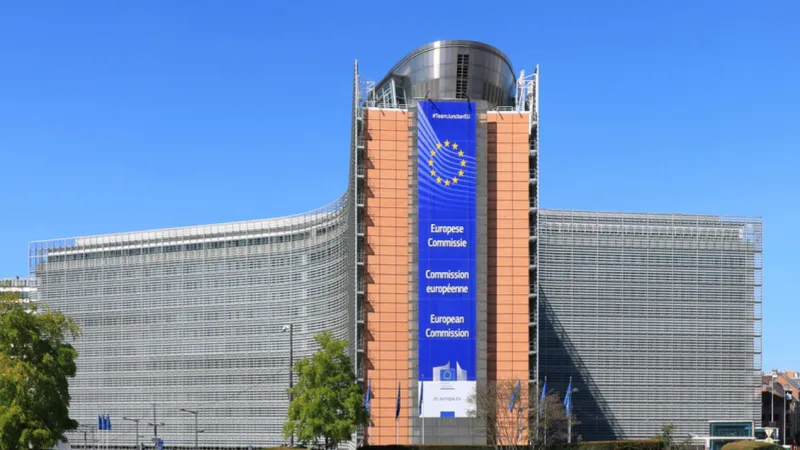
Brussels – The European Union Commission has issued a stern warning to Italy and eight other member states, demanding an immediate cessation of prolonged internal border controls that violate the core principles of the Schengen Area. This directive targets nations accused of extending temporary checks beyond the legally stipulated one-year maximum, sparking a furious reaction from political factions like Italy's League.
The nine countries, which also include France, Germany, Austria, Denmark, Sweden, Norway (though not an EU member, it is part of Schengen), Hungary, and Slovenia, have been maintaining these exceptional measures. These controls are ostensibly in place to address various security concerns, ranging from irregular migration to potential terrorism threats. However, the EU maintains that such extensions undermine the fundamental free movement of people, a cornerstone of European integration.
Officials in Brussels emphasized that while the temporary reintroduction of internal border controls is permissible under extraordinary circumstances, these measures must be proportionate, strictly time-limited, and based on clear, verifiable threats. The current extensions, in many instances, have far exceeded these criteria, drawing increasing criticism from the Commission.
The EU's directive is unequivocal: such controls "cannot be extended for more than a year and must be limited," a translated summation of the Commission's core message indicates. This reiterates the established legal framework, which permits controls for a maximum of six months, renewable only under very specific conditions up to an absolute maximum of two years in exceptional cases.
In Italy, the admonition has ignited significant political backlash. The League party, a prominent right-wing faction, expressed profound anger, viewing the EU's intervention as an infringement on national sovereignty and a disregard for genuine security concerns. Leaders from the party argue that robust border security is paramount, especially given ongoing migratory pressures.
Failure to comply with the Commission's directive could lead to infringement procedures against the offending member states. Such legal action could potentially escalate to the European Court of Justice, resulting in substantial fines and further political repercussions. This adds significant pressure on the targeted governments to reassess their border control policies.
This is not the first instance of the EU challenging member states over internal border checks. The EU previously challenged Germany's border controls justification, highlighting a consistent push from Brussels to uphold the integrity of the Schengen Area. This historical context underscores the Commission's steadfast commitment to the foundational principles of free movement. EU Challenges Berlin's Border Controls Justification.
The Schengen Agreement, which effectively abolished internal border checks among participating European countries, has faced unprecedented strains in recent years. Challenges such as the 2015 migration crisis, subsequent terror attacks, and the COVID-19 pandemic led to a resurgence of internal controls, many of which have proven difficult to lift.
Governments defending the extensions often cite continued threats, including the movement of foreign fighters, organized crime, and the ongoing need to manage irregular migratory flows. They contend that the temporary nature of these checks, however prolonged, is essential for national security and public order within their respective territories.
Critics, including the European Union Commission, argue that such prolonged internal Schengen controls create economic disruption, hinder cross-border travel for millions of citizens, and ultimately weaken the spirit of European cooperation. They stress that alternative, less intrusive measures should be prioritized to address security concerns effectively.
The coming months will likely see intense diplomatic activity as the nine nations engage with Brussels. These countries will be expected to either provide compelling justifications for their continued measures or outline clear, actionable plans for the phased removal of the extended border controls. The EU remains steadfast in its commitment to restoring full freedom of movement within the Schengen Area.
For millions of European citizens and businesses, the reintroduction of internal borders translates into longer travel times, increased bureaucracy, and a tangible erosion of one of the EU's most visible and appreciated benefits. The Commission's resolute action seeks to reverse this trend and reaffirm the core tenets of the Schengen framework.