 Debby Wijaya
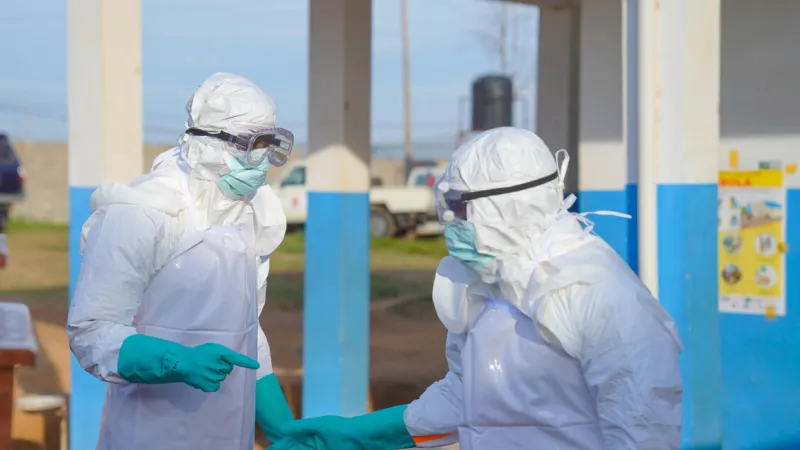
Democratic Republic of Congo confronts a rapidly escalating health crisis after logging 71 new Ebola virus disease cases within a single 24-hour period. This alarming surge brings the total confirmed infections to 452 since the epidemic's official declaration on May 15, with 82 fatalities now recorded as the highly contagious disease continues its relentless spread.
The latest figures underscore the formidable challenges confronting public health officials and humanitarian organizations operating in the often volatile eastern regions of the country, where previous outbreaks have proven exceptionally difficult to contain.
The Democratic Republic of Congo has a long and tragic history with Ebola, having experienced numerous outbreaks since the virus was first identified near the Ebola River in 1976. This current epidemic marks another chapter in the nation's ongoing struggle against the deadly pathogen.
The recent spike of 71 cases in one day represents a significant acceleration in transmission, highlighting the urgent need for intensified control measures. Overall, 452 individuals have contracted the virus, with more than 18 percent of those infected succumbing to the disease.
Containment efforts, already strained by logistical hurdles and community resistance in some areas, face immense pressure to isolate new cases rapidly and trace contacts effectively to break the chains of transmission.
Ebola virus disease, characterized by severe fever, bleeding, and organ failure, spreads through direct contact with blood, secretions, organs, or other bodily fluids of infected people, and from contaminated surfaces and materials.
International health agencies, including the World Health Organization (WHO), are working alongside the Congolese Ministry of Health to bolster surveillance, enhance diagnostic capabilities, and provide crucial medical supplies and personnel.
Security concerns in conflict-affected areas often impede access for health workers, delaying interventions and exacerbating the spread. Compounding these issues is the prevalence of misinformation and distrust, which can deter communities from seeking care or cooperating with vaccination programs.
Vaccination campaigns, utilizing highly effective vaccines developed in recent years, are paramount to controlling the outbreak. However, ensuring widespread and equitable access remains a complex undertaking in a country with vast geographic challenges.
Beyond the immediate health crisis, the Ebola epidemic casts a long shadow over the nation's socioeconomic fabric, disrupting daily life, straining healthcare infrastructure, and potentially impacting trade and movement in affected zones.
The coming weeks will be critical in determining the trajectory of this current outbreak. Sustained national and international commitment, coupled with robust community engagement, will be essential to reversing the alarming trend and ultimately bringing the epidemic under control.