 Debby Wijaya
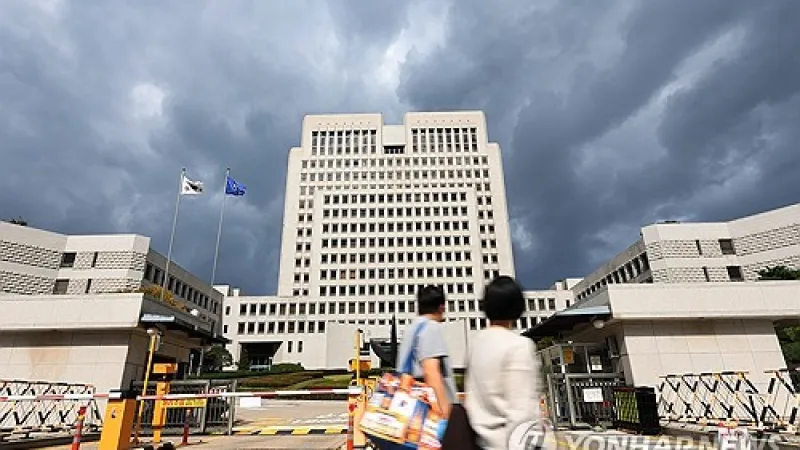
SEOUL – A recent survey, released November 6 by Yonhap, reveals a profound erosion of public confidence in South Korea, with nearly 50 percent of citizens expressing explicit distrust in the nation's courts. This finding underscores a significant challenge to the legitimacy and perceived fairness of the judicial system, prompting concerns about the rule of law and civic engagement.
The widespread sentiment of distrust among such a large segment of the populace highlights a critical juncture for South Korea's democratic institutions. A functional and respected judiciary is paramount for upholding justice, resolving disputes, and maintaining societal order, making these survey results particularly alarming for policymakers and legal professionals.
Legal analysts and civic groups have long pointed to various factors that could contribute to this public skepticism toward the South Korean courts. These often include perceptions of political influence in high-profile cases, inconsistencies in sentencing, and a perceived lack of transparency in judicial processes. Such issues can steadily chip away at the faith citizens place in their legal framework.
The implications of declining judicial trust are far-reaching. When citizens lose faith in their courts, it can lead to reduced compliance with legal decisions, foster social fragmentation, and potentially encourage extra-legal avenues for conflict resolution. This erosion undermines the very foundation of a state governed by law.
Against this backdrop, the government and judicial bodies face immense pressure to address these profound public concerns. Efforts to enhance judicial independence, improve accountability, and foster greater transparency within the South Korean courts system are often discussed as essential steps toward rebuilding public confidence.
Indicative of a broader societal demand for judicial accountability, the South Korean Assembly recently mandated a special counsel amid indictment fabrication claims. This legislative move suggests a recognition by lawmakers of the urgent need to investigate and rectify situations that could compromise judicial integrity and public trust.
Further reflecting the nation's focus on its justice system, the nomination of Veteran Lee Yong-cheol to head the Justice Ministry earlier this year signals a potential shift in leadership and policy direction. His appointment could herald new initiatives aimed at bolstering the credibility and efficiency of the judicial apparatus.
The survey, though concise in its publicly available details, provides a stark quantitative measure of a deeply rooted qualitative problem. Understanding the specific demographics and reasons behind this distrust will be crucial for any effective reform strategy.
Areas often subjected to public scrutiny within the judicial system include the impartiality of judges, the fairness of trial procedures, and the often lengthy duration of legal proceedings. Perceptions of unequal application of the law, particularly concerning influential individuals or corporations, can further fuel public cynicism.
Ultimately, restoring public trust in the South Korean courts will require a concerted and sustained effort. It necessitates not only structural reforms but also a cultural shift within the judiciary itself, prioritizing absolute impartiality, transparency, and a commitment to swift and equitable justice for all citizens. The path ahead demands decisive action to reaffirm the sanctity and reliability of the nation's legal backbone.