 Dorry Archiles
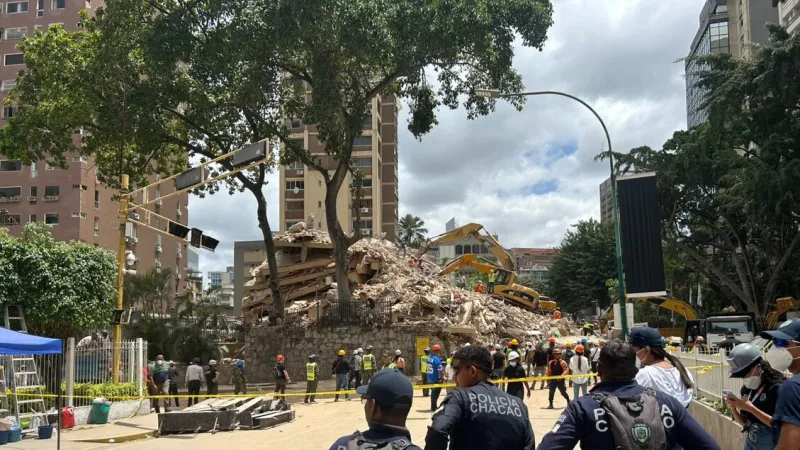
CARACAS – A devastating earthquake claimed the lives of 135 Venezuelan migrants recently deported from the United States, who perished in a hotel collapse on the very day of the seismic event. The tragedy struck a group of 147 individuals expelled by the Trump administration, leaving only a dozen survivors in the immediate aftermath of the disaster.
The ill-fated group, part of a larger contingent repatriated under stricter immigration enforcement measures, had only recently arrived back in Venezuela following their expulsion. Their return journey, fraught with the uncertainty common to deportees, culminated in unimaginable horror as the ground convulsed beneath them.
The collapse of their temporary lodging underscores the perilous circumstances facing those caught between immigration policies and natural calamities. The majority of the 147 deportees had been housed in a modest hotel, which proved woefully inadequate against the force of the powerful earthquake.
This incident casts a stark light on the complexities of immigration policies, particularly those enacted by the current US administration. President Donald Trump has consistently pursued stringent immigration enforcement, leading to numerous deportations. His administration's approach to immigration, including the roles of agencies like ICE, has been a frequent subject of national discussion, as highlighted in reports such as President Trump Taps New ICE Chief Amidst Agency Controversy.
The earthquake, of significant magnitude, ravaged several regions across Venezuela, causing widespread destruction to infrastructure and triggering numerous building collapses. The timing of the tremor, coinciding with the deportees arrival, compounded the tragedy.
Emergency services in Venezuela, already overwhelmed by the extensive damage and mounting casualties across the nation, faced immense challenges in reaching and extracting survivors from the rubble of the collapsed hotel. Rescue efforts were hampered by damaged roads and limited resources, making the task of locating the trapped individuals exceptionally difficult.
The sheer scale of the humanitarian crisis in Venezuela following the earthquake has been widely reported. The capital and surrounding areas experienced catastrophic damage, transforming once vibrant neighborhoods into devastated landscapes, a situation vividly described in accounts like La Guaira a Devastated Cemetery.
As the nation grapples with a spiraling death toll, exceeding 1,400 in the initial days, and ongoing rescue operations, the plight of these deported individuals adds another layer of profound sadness to an already dire situation. Reports indicate that the overall death toll across Venezuela has continued to mount, with stories of miraculous rescues intertwined with widespread despair, as referenced in articles like Venezuela Quake Toll Exceeds 1,400.
Humanitarian organizations and international bodies have voiced concerns regarding the fate of vulnerable populations in disaster-stricken areas, especially those who have recently undergone the traumatic experience of deportation. This incident underscores the critical need for coordinated international efforts in times of both natural disaster and complex migratory flows.
The convergence of a natural catastrophe with the human element of deportation presents a poignant reminder of the unpredictable consequences that can arise from geopolitical decisions. The tragic deaths of these Venezuelan deportees serve as a somber highlight of the vulnerabilities faced by migrants returning to unstable or disaster-prone regions.
Authorities in both the United States and Venezuela have yet to issue comprehensive official statements specifically addressing the fate of this group in relation to the broader earthquake response. The immediate focus remains on rescue, recovery, and providing relief to the millions affected by the widespread devastation. The long-term implications for immigration policy and humanitarian aid in such scenarios will undoubtedly become a subject of intense scrutiny.