 Dodi Irawan
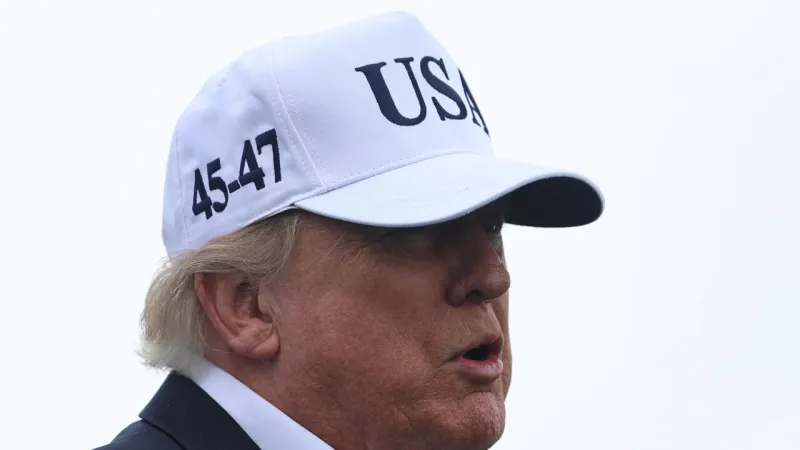
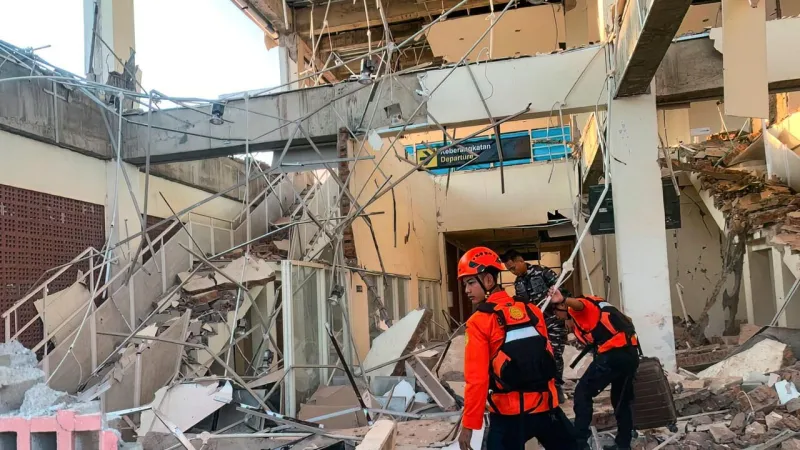
Bogota — Colombia has formally appealed to United States President Donald Trump for a temporary suspension of punitive high tariffs, seeking urgent economic relief in the aftermath of a devastating earthquake. President Abelardo de la Espriella declared a national economic emergency following the catastrophe, underscoring the severe impact on the nations financial stability and recovery efforts.
The plea from Bogota comes as the South American nation grapples with widespread damage and humanitarian challenges. President de la Espriella administration believes that a reprieve from significant import duties imposed by the United States would free up crucial resources. These funds could then be redirected towards rebuilding infrastructure, supporting displaced populations, and stimulating a struggling economy.
While specific details of the recent earthquake were not provided in the source, its devastating nature prompted a national emergency declaration. Such events often cripple essential services, disrupt supply chains, and inflict immense costs on affected regions, highlighting the immediate need for external assistance and economic flexibility. The recent seismic activity has brought a new layer of complexity to the nations challenges, as previously reported in similar incidents, such as the Colombia Earthquake Claims Life of Woman Protecting Her Beloved Dog.
The high tariffs mentioned refer to existing trade barriers that the United States has maintained or recently imposed on certain Colombian goods. These duties, often designed to protect domestic industries or address trade imbalances, now represent a significant financial burden for Colombia as it seeks to recover. The exact nature and scope of these tariffs would typically involve detailed bilateral trade agreements.
President de la Espriella declaration of an economic emergency grants the Colombian government special powers to allocate resources swiftly and bypass bureaucratic hurdles. This measure reflects the severity of the crisis, allowing for immediate action to stabilize the economy and address urgent humanitarian needs.
The formal request to President Trump signifies a direct appeal through high-level diplomatic channels. It emphasizes the strategic importance of the relationship between the two nations, particularly during times of crisis. Such requests often involve detailed proposals outlining the specific tariffs targeted for suspension and the projected economic benefits for Colombia.
The White House has yet to issue an official response to Colombias request. Analysts anticipate that President Trumps administration will weigh the humanitarian implications against existing trade policies and domestic economic considerations. Past instances of natural disasters have sometimes led to temporary relief measures, though economic tariffs are a distinct policy instrument.
Should the United States grant the temporary suspension, it could significantly bolster Colombias post-earthquake recovery. Reduced import costs for essential goods, raw materials, and reconstruction supplies would directly benefit affected communities and industries. Moreover, it could inject much-needed liquidity into the Colombian economy, accelerating the rebuilding process.
The United States has a history of providing aid and support to nations affected by natural disasters. However, altering trade policies like tariffs, even temporarily, can be a more complex decision, often requiring congressional approval or executive orders with far-reaching implications. The relationship between Colombia and the United States has historically been strong, marked by cooperation on security and economic initiatives.
Beyond the immediate relief, a successful plea for tariff suspension could set a precedent for future international disaster responses involving trade policy adjustments. It could also reinforce the perception of the United States as a benevolent global partner, willing to adapt economic policies to humanitarian crises. The duration of any potential suspension and its specific terms would be critical for Colombias sustained recovery efforts.
The focus for Colombia remains squarely on the monumental task of reconstruction. Homes, businesses, and critical infrastructure need rebuilding. The economic emergency declaration aims to streamline this process, but international cooperation, particularly from a major trading partner like the United States, is deemed essential for a comprehensive and timely recovery.
While Colombia reaches out to the United States, it is also likely seeking and receiving support from other international bodies and nations. Global solidarity often emerges in the face of such widespread devastation, with aid organizations and governments contributing to relief efforts.