 Demian Sahputra
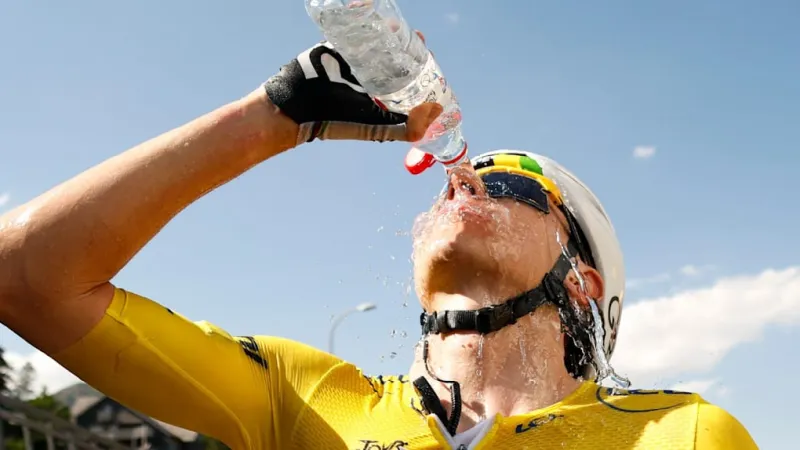
Professional road cycling has fundamentally reshaped its approach to athlete nutrition, transforming it into a critical determinant of competitive performance. This paradigm shift, prioritizing planned carbohydrate intake over restrictive calorie anxiety, allows elite cyclists to optimize energy levels and endurance, a strategy from which amateur athletes can also derive significant benefit.
Historically, athletes often focused on strict calorie reduction or generalized healthy eating. However, modern sports science has revealed that for high-intensity endurance sports like professional cycling, the type and timing of nutrients, particularly carbohydrates, are far more crucial than merely counting calories. This scientific understanding now dictates meticulous dietary regimens for top competitors.
Carbohydrates, long misunderstood or feared by some for their association with weight gain, are now recognized as the primary fuel source for muscles during sustained exertion. Elite cyclists, who demand immense energy reserves for grueling races and training sessions, strategically consume carbohydrates to ensure their glycogen stores remain replete, preventing bonking or early fatigue.
The concept of systematic, planned eating rather than intuitive consumption underpins this advanced nutritional strategy. This involves precise meal timing, specific macronutrient ratios, and often personalized dietary blueprints developed with sports nutritionists. Such systematic fueling contrasts sharply with anecdotal eating habits, offering a consistent and predictable energy supply.
This meticulous dietary management directly translates into enhanced performance. Adequate carbohydrate availability supports higher power outputs, prolonged endurance, and faster recovery times between stages or intense training blocks. It is no longer an auxiliary consideration but an integrated component of an athlete's training regimen, alongside physical conditioning and tactical execution.
This new understanding gains even more significance when considering factors like illness impacting performance, as seen when a virus strikes Tadej Pogacar's team, jolting Tour De France race, underscoring the delicate balance of an athlete's physical state.
The German RSS source alluded to a professional cyclist stating, "An den großen Tagen ein bisschen Nutella, weil es Kraft in den Beinen gibt" – translated as, "On big days, a little Nutella, because it gives strength in the legs." This anecdote exemplifies the understanding that high-energy, carbohydrate-rich foods are essential fuel, not just indulgence, during peak competitive periods. The emphasis shifts from merely categorizing foods as unhealthy to evaluating their functional contribution within a controlled plan.
The lessons learned at the pinnacle of professional cycling offer valuable insights for amateur cyclists and other endurance athletes. Incorporating a more structured approach to nutrition, focusing on complex carbohydrates, lean proteins, and healthy fats, can significantly improve performance, recovery, and overall well-being for those who participate in demanding physical activities.
Hobbyists can begin by tracking their food intake, understanding their energy expenditure, and planning meals and snacks around their training schedule. Prioritizing whole grains, fruits, vegetables, and lean protein sources while ensuring adequate carbohydrate intake before, during, and after workouts can mirror the principles employed by professionals.
The shift away from a restrictive fear of calories is particularly liberating for amateur athletes. Instead of viewing food merely as numbers, they can learn to appreciate its role as fuel and a recovery aid. This mindset promotes a healthier relationship with food, recognizing its essential contribution to athletic goals rather than an obstacle to be overcome.
This evolving understanding of sports nutrition underscores a broader trend in athletic development: a holistic approach where every factor, from sleep to psychological resilience and dietary intake, is optimized for peak human potential. The advancements in professional cycling nutrition represent a blueprint for how athletes at all levels can elevate their performance and well-being.