 Edward DP Situmorang
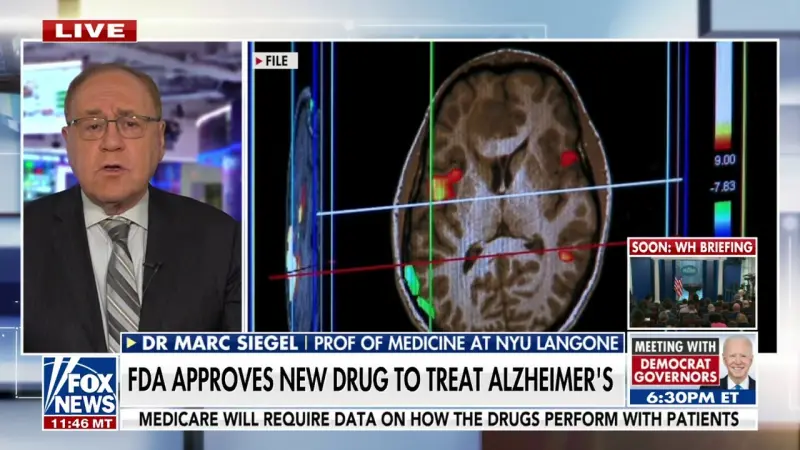
WASHINGTON — The Food and Drug Administration (FDA) announced today it will significantly accelerate its review process for new treatments addressing serious mental illness, directly responding to an executive order signed last week by President Donald Trump aimed at fast-tracking therapeutic innovations nationwide.
This decisive move by the federal health agency underscores a heightened urgency within the administration to tackle the nation's burgeoning mental health crisis, seeking to bring novel therapies to patients more rapidly than ever before. The President's executive order, titled Advancing Breakthroughs in Mental Healthcare, mandates a comprehensive government-wide effort to reduce regulatory hurdles impeding the development and accessibility of mental health solutions.
FDA Commissioner Dr. Rebecca Jones stated in a press briefing that the agency has established a dedicated task force to prioritize applications for drugs and devices targeting conditions such as schizophrenia, bipolar disorder, and severe depression. Dr. Jones emphasized that while speed is critical, the FDA will not compromise its rigorous standards for safety and efficacy.
The White House initiative follows extensive discussions with pharmaceutical companies, patient advocacy groups, and leading psychiatrists who have long called for a more agile regulatory environment. Advocates contend that traditional approval timelines often leave patients waiting years for potentially life-changing treatments, exacerbating suffering and hindering recovery.
President Trump, speaking from the Oval Office, characterized the order as a vital step in transforming mental healthcare. He highlighted the economic and social burdens imposed by serious mental illness, vowing that his administration would leverage every available tool to support those affected and their families.
Industry leaders have largely welcomed the FDA's acceleration. Dr. David Chen, CEO of BioPharma Innovations, a company developing a new antipsychotic, expressed optimism. "This executive order and the FDA's subsequent action signal a critical shift," Dr. Chen said. "It could unlock unprecedented progress in a field that desperately needs it, fostering an environment where innovation can truly thrive."
Critics, however, raise concerns about the potential for unintended consequences. Senator Maria Rodriguez, a ranking member of the Senate Health, Education, Labor and Pensions Committee, acknowledged the need for progress but cautioned against undue haste. "We must ensure that accelerating reviews does not inadvertently open the door to less thoroughly vetted treatments," Senator Rodriguez commented. "Patient safety must remain paramount."
The FDA maintains that its new streamlined pathways will incorporate adaptive trial designs and real-world evidence more efficiently, reducing bureaucratic delays without lowering the bar for scientific rigor. The agency plans to engage more frequently with developers in early stages, providing clearer guidance and feedback.
Historically, the development of treatments for central nervous system disorders, including mental illnesses, has been fraught with challenges, marked by high failure rates and lengthy clinical trials. The FDA's existing breakthrough therapy designation already aims to expedite development and review for drugs that treat serious conditions and demonstrate substantial improvement over available therapies.
This new directive builds upon and expands such existing mechanisms, signaling a more aggressive stance from both the executive branch and the regulatory body. The expectation is that this concerted effort will significantly reduce the time from laboratory discovery to patient access for crucial mental health interventions.
Further details on specific deadlines and the structure of the new review pathways are expected to be released by the FDA in the coming weeks. The agency also plans to host a series of public workshops to gather input from stakeholders and clarify the implementation process.
The administration hopes that by removing systemic barriers, the United States can reclaim its leadership in psychiatric pharmaceutical innovation, attracting investment and talent to a field that has often been overlooked in favor of other medical disciplines. The full impact of these changes will unfold as new applications begin to flow through the accelerated system.
The FDA's announcement represents a pivotal moment for mental healthcare in the nation, reflecting a concerted effort from the highest levels of government to address a public health challenge that affects millions.