 Edward DP Situmorang
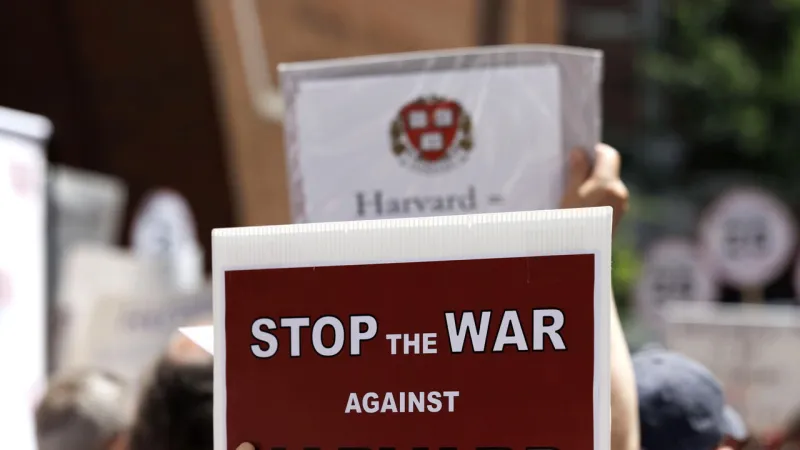
A federal judge on Tuesday dismissed a prominent antisemitism lawsuit against Harvard University, decisively rejecting claims that the Ivy League institution violated the civil rights of Jewish students. The ruling delivers a significant setback to the plaintiffs and, by extension, to President Donald Trump, who has publicly supported such actions against universities amidst ongoing debates about free speech and discrimination on college campuses.
The judicial decision, issued after extensive legal proceedings, found no evidence that Harvard acted with discriminatory intent or failed to adequately address instances of antisemitism on its campus. The core of the complaint centered on allegations that Harvard fostered a hostile environment for Jewish students, particularly in the wake of heightened geopolitical tensions and campus protests.
The lawsuit, initially filed by a group of current and former students, alleged systemic failures by the university administration to protect Jewish students from harassment and discrimination. Plaintiffs cited numerous incidents of what they described as antisemitic rhetoric and actions, arguing that Harvard's policies and inaction created an unsafe educational setting.
President Trump has been a vocal critic of what he perceives as a failure by many American universities to combat antisemitism effectively. His administration has consistently advocated for stricter enforcement of anti-discrimination laws on campuses, often aligning with groups that have brought similar legal challenges against academic institutions. This dismissal, therefore, represents a notable judicial challenge to that broader push.
Legal experts note that establishing a violation of Title VI of the Civil Rights Act, which prohibits discrimination on the basis of race, color, or national origin in programs receiving federal financial assistance, requires proving discriminatory intent or deliberate indifference. The judge's ruling indicates that the plaintiffs did not meet this stringent legal threshold in Harvard's case.
The university, throughout the litigation, maintained that it is deeply committed to fostering an inclusive environment for all students, including its Jewish community. Harvard officials asserted that they have robust policies in place to address discrimination and harassment, and they have actively condemned antisemitic acts when they occur.
This case gained national attention not only due to Harvard's prominent status but also because it intertwined with the highly charged political discourse surrounding campus speech and protests. Universities across the nation have grappled with balancing free expression rights with the imperative to ensure a safe and non-discriminatory environment for all students.
The dismissal could have ripple effects, potentially influencing the viability of similar antisemitism lawsuits currently pending against other universities. It underscores the high bar for proving institutional discrimination in a court of law, distinct from public perception or political rhetoric.
While the specific details of the judge's reasoning are still being analyzed, the court indicated that the plaintiffs failed to present sufficient evidence linking Harvard's administrative actions or inactions to a pattern of deliberate discrimination against Jewish students. The focus was on the university's institutional responsibility rather than individual acts of prejudice.
Attorneys for the plaintiffs have not yet indicated whether they plan to appeal the decision. However, the ruling undeniably provides Harvard with significant legal vindication, at least for the present, regarding these particular antisemitism allegations.
The broader conversation about antisemitism on college campuses remains a critical and sensitive issue. This legal outcome, while definitive for this specific case, will likely not diminish the intensity of the public and political debate surrounding how universities respond to and prevent all forms of discrimination.