 Robert Andrison
JERUSALEM - The precarious ceasefire between Israel and Iran remains profoundly fragile, with a leading analyst asserting that Israel intends to continue its military operations in the coming days, particularly focusing on the situation in Lebanon. This declaration underscores the persistent volatility gripping the Middle East despite recent de-escalation efforts.
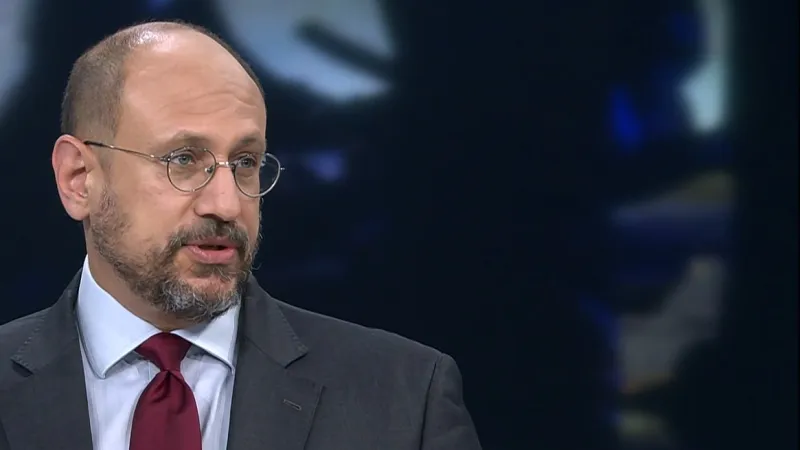
Daniel-Dylan Böhmer, a prominent geopolitical observer, conveyed this assessment, emphasizing the inherent instability of the current pause in hostilities. He stated directly, "Israel will continue its attacks in the coming days," signaling a continuation of the strategic confrontation that has defined the region.
The current, tenuous cessation of violence followed a period of intense confrontation. Recent weeks witnessed significant exchanges of fire, with both Israeli and Iranian-backed forces engaging in targeted strikes across various operational fronts. This pattern has repeatedly threatened to plunge the broader Middle East into a wider conflagration. The region saw events such as Iran striking Israel, escalating Mideast conflict and Israel's retaliation to Iranian rocket barrages.
Lebanon has emerged as a critical flashpoint in this ongoing dynamic. Hezbollah, a powerful political party and militant group in Lebanon, heavily backed by Iran, frequently engages in cross-border skirmishes with Israeli forces. This proxy warfare often serves as a barometer for the broader regional power struggle between Israel and Iran.
The sustained Israeli offensive carries significant geopolitical implications, especially for international efforts to secure a lasting peace. President Donald Trump, who has actively engaged in Middle East diplomacy throughout his term, has consistently called for de-escalation, urging all parties to exercise restraint to prevent a full-scale regional war. President Trump has previously demanded a ceasefire amidst escalating hostilities and Iran's threats to a strategic strait.
From Tehran's perspective, any continued Israeli aggression represents a direct challenge to its regional influence and perceived security interests. Iranian officials have previously warned of severe repercussions should Israeli actions cross certain red lines, signaling their readiness to respond forcefully to perceived provocations.
Regional analysts consistently highlight that the absence of a robust, internationally brokered resolution leaves the Middle East vulnerable to cyclical violence. Each renewed exchange of blows further destabilizes already fragile states and displaces civilian populations caught in the crossfire.
Israel's stated objectives often revolve around neutralizing threats emanating from its northern border, including Hezbollah's extensive arsenal of rockets and advanced weaponry. These defensive operations are frequently framed within Israel's broader national security doctrine, which prioritizes preemptive action against perceived adversaries.
The international community, including the United Nations and various European powers, has repeatedly called for an end to hostilities and a return to dialogue. However, achieving consensus on a sustainable framework for peace remains elusive, given the deeply entrenched historical grievances and competing strategic ambitions of the involved parties.
Böhmer's analysis suggests that the current situation represents not a true de-escalation, but rather a temporary lull in a protracted conflict. His phrasing, "This logically means that this exchange of blows continues," as translated from his original German remarks, indicates an expectation of ongoing low-intensity conflict, punctuated by periodic escalations.
The persistent instability also casts a shadow over economic recovery efforts in the region, deterring foreign investment and exacerbating humanitarian crises. The financial toll of sustained military engagement adds another layer of complexity to an already strained geopolitical landscape.
As the region braces for continued Israeli actions, the international community watches with growing concern, cognizant that the fragile ceasefire hangs by a thread. The immediate future of the Middle East, particularly the Lebanon front, appears set for further strategic maneuvers rather than a definitive return to tranquility.