Chris Robert
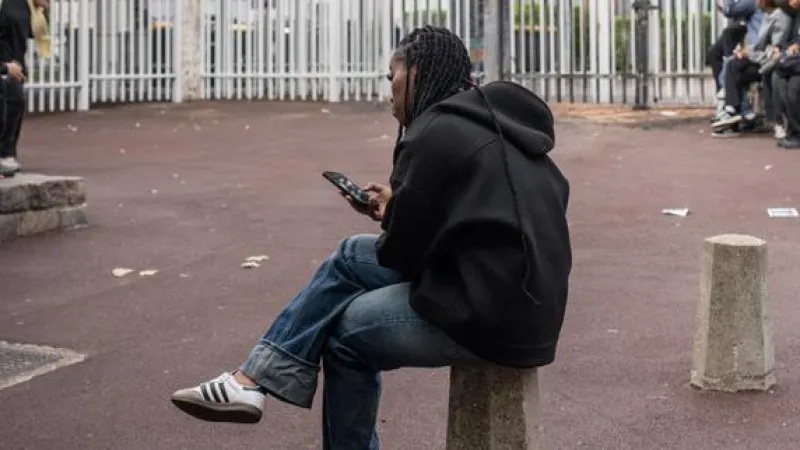
PARIS — A significant majority of French educational institutions, specifically 96 percent of high schools, reopened Wednesday, according to Minister of National Education Edouard Geffray. This comes even as approximately 4 percent of high schools and higher education facilities across the nation, particularly in the capital, remained blocked following the fifth day of the widespread French student mobilization. This ongoing unrest, driven by various youth organizations, prompts a critical meeting with ministers scheduled for Thursday afternoon to address the escalating concerns.
The data provided by Minister Geffray offers the first comprehensive overview of the situation after a period of intense demonstrations. While the reopening of nearly all high schools suggests a return to normalcy for most students, the persistent blockades highlight a determined segment unwilling to yield without dialogue.
These remaining closures, concentrated notably in Paris, underscore the localized intensity of the student movement. They serve as a tangible symbol of continued dissent, even as government efforts focus on de-escalation and resuming educational activities across the country.
The recent wave of protests represents the fifth consecutive day of significant student action. This sustained pressure from youth groups has forced the government to acknowledge their grievances, leading to the high-level talks arranged for later this week.
This current period of heightened activity builds on previous instances of unrest that have characterized the French educational landscape. Earlier reports indicated that French student mobilization intensified, with thousands marching in major cities and hundreds of schools experiencing blockades nationwide. These earlier actions showcased the broad reach and determination of the protesting students.
Furthermore, the student uprising has previously led to serious consequences, including reports of 147 educators injured and 214 schools shuttered during a peak period of unrest. These statistics emphasize the severity of the situation and the disruption it has caused within the national education system.
Allegations of police violence have also fueled the student movement, with reports of such incidents playing a significant role in galvanizing further protests and school closures. These claims have added another layer of complexity to the already tense relationship between student groups and authorities.
In response to the sustained demonstrations and their associated disruptions, the government has prioritized opening channels for discussion. The impending meeting between youth organizations and both the Minister of National Education and the Minister of Higher Education signifies a crucial step towards finding common ground.
Set for Thursday afternoon, this meeting carries considerable weight. Student representatives will have the opportunity to articulate their demands directly to key government officials, potentially paving the way for resolutions or concessions aimed at appeasing the protestors. The outcome of these discussions will largely dictate the immediate future of the French student mobilization.
Observers widely anticipate the talks will focus on addressing the core grievances that have driven students to protest. While specific demands have not been officially detailed in this context, past student movements in France often revolve around education reform, university access, and social justice issues.
The government faces the delicate task of balancing calls for order and educational continuity with the need to genuinely engage with student concerns. A failure to adequately address these issues could lead to renewed and potentially more widespread disruptions.
This episode of student unrest once again highlights the influential role of youth movements in French political discourse, echoing historical precedents where student activism has served as a powerful catalyst for social and political change. The nation now awaits the outcome of Thursday's high-stakes meeting, hoping for a constructive path forward.