 Demian Sahputra
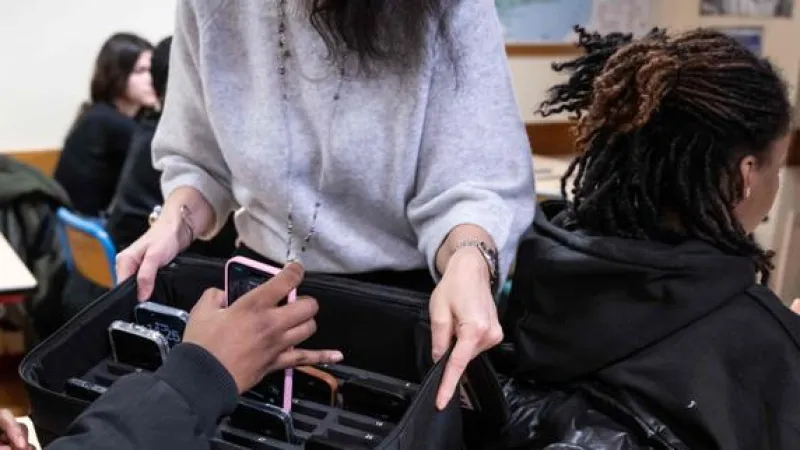
Paris, France – The French government, driven by a strong executive will, seeks to make a nationwide mobile phone ban in high schools effective as early as the upcoming academic year. However, this ambitious timeline faces substantial implementation challenges, primarily stemming from the necessity for individual establishments to modify their internal regulations and consult various institutional bodies, a process many could not complete during summer closures.
This directive underscores a broader governmental effort to enhance student focus and foster more conducive learning environments across the nation. Officials have consistently articulated the perceived benefits of such a measure, emphasizing its potential to reduce digital distractions and encourage greater face-to-face interaction among students.
For the ban to be legally enforceable, each high school must formally amend its internal operating rules. This administrative undertaking necessitates a series of consultations with key stakeholders, including teaching staff, parent associations, and student representatives, ensuring a democratic and inclusive approach to policy shifts within educational institutions.
A significant impediment to the government's swift implementation schedule has been the extended summer holiday period. Many high school administrations, with staff on leave, found themselves unable to convene the required consultative bodies or process the necessary regulatory changes before the start of the new academic term.
This situation highlights a clear disconnect between the executive branch's desire for rapid policy rollout and the operational realities faced by individual educational establishments. While the intent to implement a robust high school phone ban is firm, the logistical complexities have created a bottleneck.
Proponents of the measure argue that a clear policy prohibiting mobile phones during school hours can significantly curb classroom disruptions and improve student engagement. Research in educational psychology frequently points to the detrimental effects of smartphone usage on concentration and cognitive development in adolescents.
Conversely, some educators and parent groups express concerns regarding the practicalities of enforcement, resource allocation for secure storage, and potential communication issues in emergencies. They question whether a blanket ban is the most effective approach or if alternative strategies, such as regulated usage zones, might be more pragmatic.
France has a history of addressing technology in schools, including previous restrictions in primary and middle schools. The current initiative builds upon these precedents, extending the scope to the secondary level. The nation's education code, as detailed in recent analyses like France's Education Code in Constant Flux, frequently undergoes revisions to adapt to contemporary challenges and societal needs.
The consultative process is pivotal, ensuring that any new regulation reflects a consensus within the school community. Delaying this crucial dialogue could undermine the policy's acceptance and effectiveness, despite the government's declared urgency.
Despite the procedural hurdles, government spokespersons maintain a resolute stance, assuring the public that the measure remains on track for timely implementation where feasible. They assert that flexibility will be exercised where schools genuinely require more time due to unforeseen administrative constraints.
Should the full implementation of the mobile phone ban not materialize across all high schools by the rentree, a staggered approach or temporary exceptions may become necessary. This could lead to a varied application of the rule across the country, at least initially.
This policy initiative occurs within a broader landscape of education reform in France, which has seen proposals ranging from teacher pay hikes, as discussed in Philippe Proposes 20% Teacher Pay Hike, Parental Fines for 2027 Bid, to extensive overhauls aimed at long-term ministerial stability, a theme explored in Attal Vows Education Overhaul, Five-Year Ministerial Stability. The government consistently seeks ways to modernize the educational system.
The debate over the role of personal technology in educational settings is not unique to France, mirroring discussions globally about digital literacy, screen time, and academic performance. The French approach represents a firm move towards reclaiming device-free learning environments.
Ultimately, the government's long-term vision is to foster an educational ecosystem where student well-being and academic performance are paramount, free from the constant interruptions posed by personal electronic devices. This ban is viewed as a crucial step towards achieving that objective.
Officials from the Ministry of National Education have been at the forefront of this policy push, collaborating with regional education authorities to facilitate the necessary regulatory adjustments. Their efforts are aimed at providing guidance and support to schools navigating this transition.
For students, the proposed ban represents a significant shift in daily school life, potentially altering social dynamics and study habits. The success of the measure will largely depend on clear communication, consistent enforcement, and the active cooperation of students, parents, and school staff.
This policy, while facing initial administrative challenges, signals a determined effort by the French government to redefine the technological landscape within its secondary education system for the benefit of its students.