Angel Doris

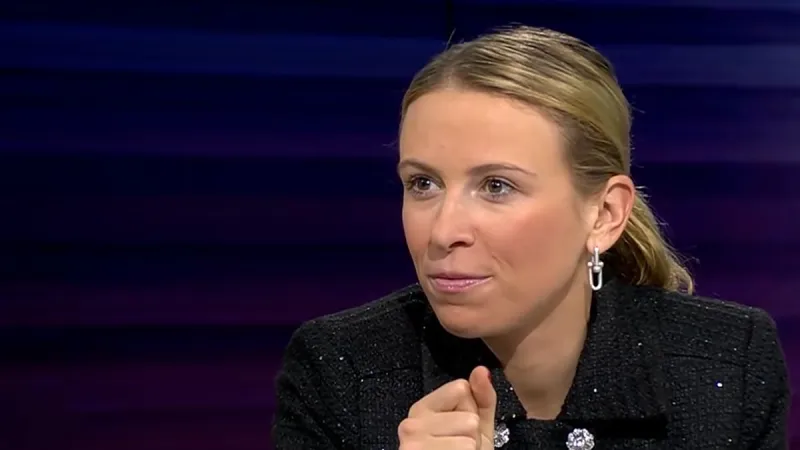
Berlin, Germany – Elif Eralp, a prominent politician with Die Linke (The Left party) in Berlin, reportedly harbors fears of terror supporters, a revelation detailed by Der Spiegel. This concern has drawn sharp commentary from extremism expert Hendrik Hansen, who asserted Eralp is "driven by the whole milieu, this state working group Palestine Solidarity," suggesting deeper implications for the politician and her party.
The Spiegel report underscored Eralp's apprehension regarding individuals sympathetic to terror organizations, a significant admission from a figure within a mainstream German political party. Such fears highlight the complex challenges authorities face in monitoring and addressing potential extremist elements within civil society groups.
Hendrik Hansen's characterization of Eralp as "driven" suggests an influence extending beyond mere association. He implies that her political stance and actions may be shaped by the ideology and agenda of the Palestine Solidarity group, rather than solely by independent conviction. This creates a critical lens through which to view her political activities.
The Palestine Solidarity working group has frequently been a subject of controversy in Germany, particularly concerning its perceived stance on the Israeli-Palestinian conflict and allegations of harboring anti-Semitic sentiments or sympathy for radical groups. Such associations routinely draw scrutiny from intelligence agencies and public critics.
This disclosure comes amid ongoing debates in Germany about the boundaries of free speech and the tolerance of groups perceived to support or rationalize terror. Recent reports have highlighted instances where German Left politicians have expressed fears regarding Hamas sympathizers, prompting calls for increased police powers and stricter oversight.
The Christian Democratic Union (CDU), a key opposition party, has been vocal in criticizing what it views as a lack of decisive leadership from some quarters regarding groups that skirt the line of extremism. Reports previously cited CDU criticism over failed leadership in addressing alleged Hamas sympathizers, directly correlating with the concerns now raised about Elif Eralp.
For Die Linke, these allegations present a significant challenge. The party has historically faced internal divisions over foreign policy matters, particularly concerning the Middle East. Public perception of any links, direct or indirect, to terror-sympathizing groups could severely damage its electoral prospects and credibility.
Experts suggest that politicians, particularly those engaged in social justice and solidarity movements, can become vulnerable to radicalization or undue influence if boundaries are not clearly defined and maintained. The blurred lines between legitimate advocacy and tacit support for problematic ideologies often become a complex political battleground.
German security agencies consistently monitor organizations suspected of anti-constitutional activities or those that propagate hate speech or support designated terror groups. While specific actions against the Palestine Solidarity group in relation to this particular incident remain unspecified, public pressure for scrutiny is likely to intensify.
Elif Eralp now faces the challenge of addressing these serious allegations and clarifying her position regarding terror supporters and the nature of her involvement with the Palestine Solidarity group. Her response will undoubtedly shape her political future and potentially impact the broader discourse within Die Linke.
The concerns raised by Eralp's reported fears also reflect a deeper societal anxiety in Germany about the rise of extremism and radical ideologies, particularly against the backdrop of global geopolitical tensions. The government, under the leadership of Chancellor Olaf Scholz in 2026, continues to navigate these sensitive issues.
Ultimately, the Spiegel report and subsequent expert commentary have ignited a critical discussion about the vigilance required within political circles to prevent the infiltration or normalization of extremist viewpoints. The evolving situation surrounding Elif Eralp serves as a stark reminder of these ongoing challenges.