 Edward DP Situmorang
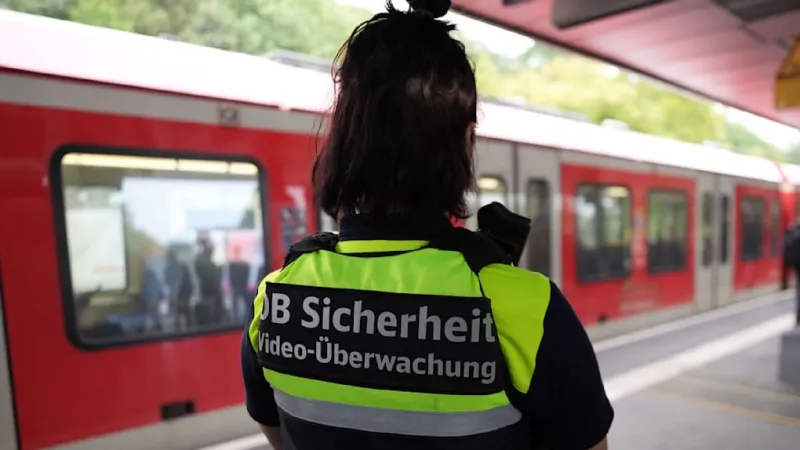
BERLIN – Deutsche Bahn is escalating its efforts to safeguard frontline employees across Germany, where a concerning surge in physical assaults, verbal abuse, and harassment has prompted urgent action. The state-owned rail operator announced plans for enhanced protective measures, including additional bodycams, while the new Minister of Transport is simultaneously advocating for significantly harsher penalties against perpetrators. This comprehensive response aims to counter a growing trend of aggression directed at essential public transport personnel.
The incidence of attacks on Deutsche Bahn personnel has continued its upward trajectory, presenting a critical challenge to the safety and well-being of thousands who serve millions of passengers daily. These incidents range from verbal insults and threats to spitting and outright physical violence, creating an increasingly hostile work environment for conductors, security staff, and service personnel alike.
In direct response to this escalating threat, Deutsche Bahn is moving beyond its existing security protocols. The corporation plans to deploy an increased number of body-worn cameras, a technology proven effective in deterring aggressive behavior and providing crucial evidence for prosecution. This measure complements existing security teams and surveillance systems already in place across stations and trains.
Beyond the technological advancements, the rail giant is also exploring further, as yet unspecified, protective measures. These initiatives underscore a commitment to holistic Deutsche Bahn employee protection, aiming to create safer working conditions and rebuild confidence among its workforce. The company views the safety of its staff as paramount to maintaining reliable public services.
Concurrently, the new Minister of Transport, whose tenure began in 2026, has entered the discourse with a forceful stance. The Minister publicly called for a robust legislative response, specifically advocating for significantly harsher penalties for individuals who commit offenses against public transport employees. This political intervention signals a growing governmental recognition of the severity of the issue.
The Minister's demand for stricter judicial consequences is rooted in the belief that stronger deterrence is essential. Proponents argue that current penalties may not adequately reflect the gravity of assaulting public servants or sufficiently discourage potential offenders. Increased fines and longer custodial sentences are envisioned to send a clear message that such behavior will not be tolerated.
The continuous threat of aggression profoundly impacts employee morale, contributing to stress, burnout, and potential staff shortages. A safe working environment is fundamental for the provision of efficient and reliable rail services, which are vital to Germany's infrastructure and economy. Ensuring the well-being of staff is directly linked to the quality and consistency of public transport.
The issue extends beyond individual incidents, reflecting broader societal challenges concerning respect for public service workers. Similar concerns about the safety of first responders, healthcare professionals, and retail staff have emerged in various sectors across Germany and other European nations. Addressing this trend in public transport could set a precedent for other vulnerable professions.
While the initiatives are largely welcomed, they are not without potential challenges. The deployment of more bodycams, for instance, could raise privacy concerns for passengers, requiring careful balancing of security needs with individual rights. Furthermore, the effectiveness of harsher penalties is often debated, with some experts advocating for a multifaceted approach that also addresses underlying social causes of aggression.
As Deutsche Bahn and the German government work to implement these new strategies, the focus remains squarely on safeguarding the individuals who keep the nation's trains running. The unified approach, combining corporate security enhancements with governmental calls for legislative reform, marks a critical juncture in the ongoing effort to ensure the safety and dignity of Germany's public transport workforce. The outcome will be closely observed as a benchmark for employee protection in public services.