Gabriella
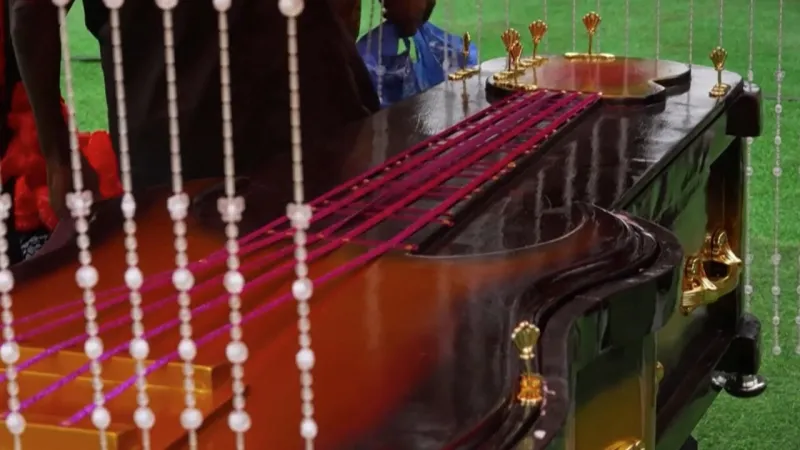
In Ghana, an extraordinary funerary tradition transforms the grief of loss into vibrant artistic expression, as skilled artisans meticulously craft elaborate coffins designed to reflect the life, passions, or professions of the deceased. These unique creations, known globally as fantasy coffins or "Abebuu Adekai," serve as powerful symbols of remembrance, offering a final, personalized tribute before the ultimate journey.
This distinctive practice, primarily prevalent among the Ga people of coastal Ghana, elevates the coffin from a mere receptacle to a sculptural masterpiece. The custom ensures that an individual's life story is visually narrated, celebrating their contributions and personality even in death. It is a profound cultural statement on mortality and legacy.
Artisans, often working from small, bustling workshops, fashion these commemorative vessels into an astonishing array of shapes. Examples frequently include objects like a giant soft drink bottle, symbolizing a beverage seller's livelihood, or a finely detailed guitar for a passionate musician. An airplane-shaped coffin might honor a pilot, or perhaps someone who aspired to travel the world.
The tradition dates back to the mid-20th century, with origins often attributed to Seth Kane Kwei, a carpenter from Teshie. Kwei reportedly created his first fantasy coffin in the shape of a cocoa pod for a chief who desired to be buried in a symbol of his wealth and status. This innovative approach quickly gained popularity, evolving into a widespread cultural phenomenon across the region.
These extraordinary funeral sculptures have garnered international acclaim, featured in museums and art galleries worldwide, including the Musée International d'Art Naïf in France and the British Museum. Their artistic merit transcends their primary function, highlighting the rich tapestry of Ghanaian creativity and philosophy regarding death, a testament to the belief that art and dance remain essential amid global shadows.
The creation process is labor-intensive and highly specialized. Each coffin is custom-ordered, involving discussions with the bereaved family to capture the essence of the departed. Carpenters employ traditional hand tools, carving intricate details from locally sourced wood before painting the structures in vivid, often symbolic, colors. The craftsmanship requires both artistic vision and profound technical skill.
Beyond their visual appeal, the fantasy coffins hold deep cultural and spiritual significance. The Ga belief system often holds that life continues in the afterlife, and a grand, personalized coffin ensures the deceased embarks on this journey with dignity and a clear representation of who they were. It reflects respect for ancestors and continuity between life and death.
While these bespoke coffins represent significant investment for families, their cultural importance often outweighs economic considerations. The community frequently pools resources to provide a fitting send-off, underscoring the communal aspect of grief and remembrance in Ghanaian society. The practice, however, remains largely concentrated in the Ga areas of the Greater Accra region.
In recent years, the art form has adapted, with some artisans incorporating modern elements and new materials while largely adhering to traditional techniques. The demand for these unique memorials continues, ensuring the perpetuation of a practice that beautifully blends mourning with an affirmation of life and identity.
As Ghana continues to develop, its unique approach to death, manifested through these compelling fantasy coffins, serves as a poignant reminder of cultural resilience and the universal human desire to commemorate lives lived with meaning and artistry. The tradition stands as a testament to the power of art in the face of mortality.