 Demian Sahputra
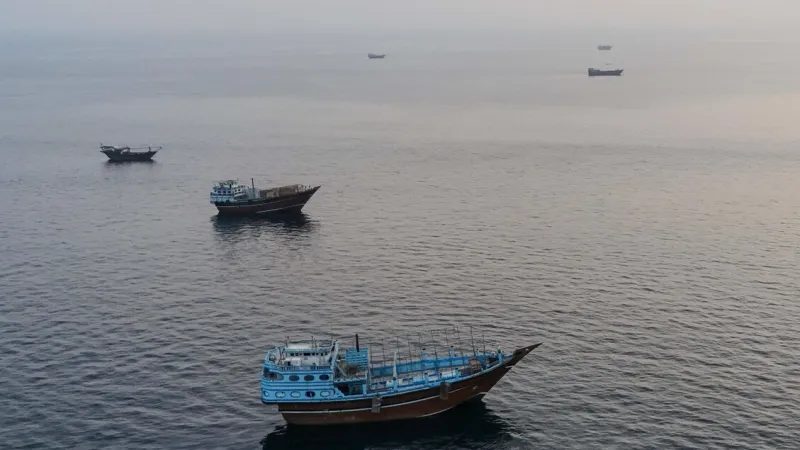
STRAIT OF HORMUZ – Tensions in the Middle East reached a critical new peak recently following an attack on an unnamed oil tanker and a subsequent drone launch by Iran's Revolutionary Guard Corps toward Bahrain, exacerbating an already volatile geopolitical standoff with the United States. This significant surge in military activity unfolds even as a new round of diplomatic talks is optimistically slated for July, highlighting a dangerous dichotomy between diplomatic overtures and military posturing.
The incident began with reports of an oil tanker being struck in the highly sensitive waters of the Strait of Hormuz, a crucial global chokepoint for energy shipments. Details regarding the specific vessel, the nature of the attack, and any potential casualties remain under investigation, but the event immediately raised alarm bells across international shipping lanes and global capitals.
Iran's Revolutionary Guard Corps, known as the Pasdaran, swiftly claimed responsibility for the drone launches toward Bahrain, asserting these actions were a direct response to perceived aggressive maneuvers by the United States. This retaliatory strike underscores Tehran's readiness to escalate its defensive posture in the region.
For decades, the Strait of Hormuz has served as the world's most vital oil transit point, connecting the oil-rich Persian Gulf states to global markets. Any disruption in this narrow waterway carries profound implications for global energy prices and international economic stability, making every incident here a matter of grave concern.
This latest provocation follows a history of similar incidents, including attacks on tankers and infrastructure, which have routinely characterized the fraught relationship between Iran and Western powers. Each event contributes to a pattern of escalation that analysts fear could spiral into broader conflict.
The United States maintains a significant military presence in the region, with its Fifth Fleet based in Bahrain, strategically positioned to safeguard maritime security and counter perceived threats. The targeting of drones toward Bahrain, therefore, carries symbolic weight, directly challenging US regional influence and military assets.
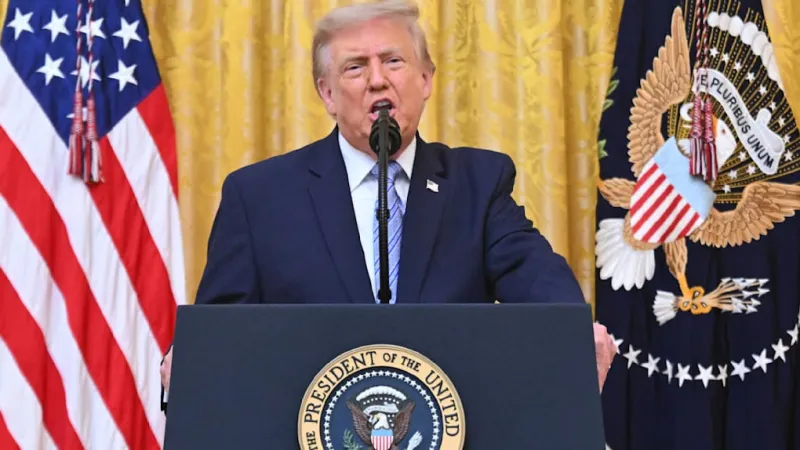
President Donald Trump's administration has consistently adopted a firm stance on Iran, emphasizing deterrence and holding Tehran accountable for its actions across the Middle East. The latest events will undoubtedly factor into strategic deliberations within Washington and its allies.
Despite the escalating military actions, the prospect of diplomatic engagement persists, with a new round of talks tentatively scheduled for July. These discussions aim to de-escalate tensions and seek a peaceful resolution to outstanding grievances, though their viability now faces increased scrutiny.
The regional implications extend beyond the immediate confrontation. The broader Middle East remains a crucible of geopolitical rivalries, with various state and non-state actors contributing to an environment of instability. This latest incident could embolden other regional players or further entrench existing divisions, as seen in Lebanon, where Hezbollah fury fuels Beirut unrest amidst Israel agreement backlash.
Furthermore, the attack and subsequent drone launches add another layer of complexity to an already delicate balance of power in the Gulf. Nations reliant on the unimpeded flow of oil from the region are now reassessing their security protocols and contingency plans.
International bodies and numerous countries have called for immediate de-escalation and restraint from all parties involved. The consensus remains that a peaceful resolution is paramount to preventing wider conflict that could destabilize the global economy.
The incident also casts a shadow over global energy markets, which are inherently sensitive to supply disruptions in the Persian Gulf. Traders and analysts are closely monitoring the situation for any signs of prolonged instability that could trigger significant price fluctuations.
The precarious equilibrium in the Hormuz Strait demonstrates the constant threat of miscalculation or deliberate provocation. The world watches anxiously as diplomacy attempts to navigate the turbulent waters of military brinkmanship.
As the July talks approach, the international community hopes that dialogue can ultimately prevail over armed confrontation, fostering a path towards a more stable and secure Middle East, despite the current heightened state of alert. The ongoing tensions underscore the urgent need for sustained diplomatic efforts to address the root causes of regional volatility, a sentiment echoed in discussions surrounding groups like Hezbollah condemning an Israel-Lebanon deal amidst regional volatility.