 Demian Sahputra
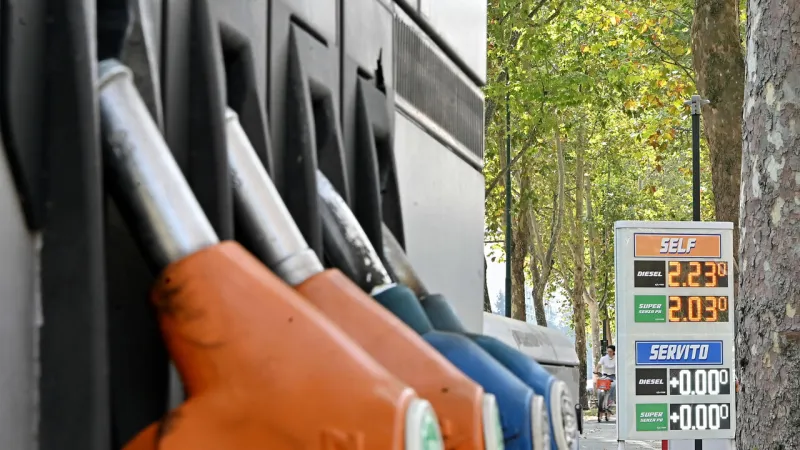
ROME — Italian motorists are grappling with an enduring enigma as fuel prices maintain a perplexing stability, with gasoline holding firm at 2 euros per liter and diesel at 2.23 euros. This plateau persists despite a governmental decision to cease reductions in excise duties, an action that would typically precipitate an increase in pump prices, according to reports from the Ministry of Enterprises and Made in Italy (Mimit) Price Observatory.
The Mimit Observatorys latest figures underscore a curious market dynamic. Instead of reflecting the upward pressure expected from a revised tax policy, consumer costs at the pump have shown little movement. This stagnation directly affects millions of daily commuters and businesses, raising questions about the underlying factors influencing the nations energy market.
Excise duties constitute a significant portion of the total price consumers pay for fuel. These indirect taxes, levied on specific goods, are a vital revenue stream for governments. When a cut in these duties is halted or reversed, the cost component attributable to taxation generally rises, leading to higher retail prices.
Yet, the Italian market currently presents a counter-intuitive scenario. The cessation of excise duty cuts, which effectively means a higher tax burden on fuel, has not translated into the anticipated price hikes. This discrepancy is prompting scrutiny from economic observers and industry experts alike.
Several potential factors could be at play, buffering the impact of increased taxation. Global crude oil prices, for instance, may have experienced a countervailing decline, thereby absorbing the upward pressure from domestic tax adjustments. Such international market shifts often exert a powerful influence on local fuel costs.
Furthermore, refining margins and distribution costs could be compressing, with fuel companies or retailers opting to absorb a portion of the increased tax burden rather than passing it entirely to consumers. This strategy might be employed to maintain market share or avoid public backlash against price surges.
For the average Italian household, the continued high cost of fuel represents a substantial budgetary strain. Transportation expenses remain a fixed and often unavoidable outgoing, and persistent high prices can erode disposable income, affecting overall consumer spending and economic vitality.
Businesses, particularly those reliant on logistics and transportation, also feel the pinch. Elevated diesel prices, like the reported 2.23 euros per liter, directly impact operating costs for trucking companies, delivery services, and agricultural sectors, potentially leading to increased prices for goods and services across the economy.
Historically, changes in Italian fuel taxation have been met with immediate and often visible shifts at the pump. The current stability, therefore, marks a departure from typical market reactions, signaling a more complex interplay of economic forces than previously observed.
Analysts are suggesting that a confluence of factors, including global supply and demand dynamics, inventory levels, and even competitive pressures among fuel retailers, could be contributing to this unusual price equilibrium. Without official statements clarifying the market mechanisms, speculation continues to mount.
Professor Elena Rossi, an energy economist at the University of Bologna, commented on the situation, stating, “The data suggests a strong offsetting force at work. Whether it is a downturn in wholesale prices or a squeeze on retail margins, the consumer is momentarily shielded from a direct tax increase, but the underlying cost remains a concern.”
This ongoing phenomenon underscores the intricate nature of energy markets, where domestic policy decisions interact with a myriad of international economic variables. Understanding this complex equation is crucial for both policymakers aiming for fiscal stability and citizens managing their daily expenses.
As 2026 progresses, the Mimit Observatory will continue to monitor these critical indicators. The governments next moves regarding energy policy, and how global market forces evolve, will undoubtedly dictate the future trajectory of Italian fuel prices, keeping millions of drivers closely watching their local pumps.
Until a clearer picture emerges, Italian drivers must continue to navigate a market where prices remain stubbornly high, regardless of policy shifts designed to influence their costs. The paradox of stable prices amidst fiscal changes remains a defining characteristic of the nations current fuel landscape.