 Angel Doris
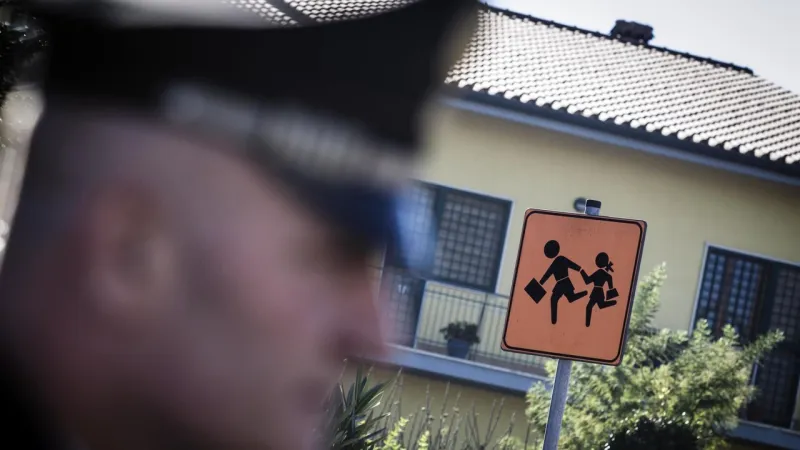
Rome, Italy – Italian schools experienced a troubling year with 68 structural collapses and a notable increase in student injuries, according to a stark report released by the consumer rights organization Cittadinanzattiva. The findings underscore an escalating crisis in school infrastructure across the nation, prompting urgent calls for substantial government intervention to safeguard student welfare and educational continuity.
Cittadinanzattiva's comprehensive data, unveiled this week, highlights the precarious state of many educational facilities, exposing students and staff to unacceptable risks. The organization stressed the critical need for immediate action, asserting, "An investment of 3 billion euros over three years is needed to adequately address the structural deficiencies plaguing our schools." This plea reflects a growing consensus among safety advocates that piecemeal solutions no longer suffice for a systemic problem.
The 68 recorded collapses, which range from partial ceiling failures to more significant structural incidents, represent a clear and present danger within Italy's public education system. These incidents are not isolated occurrences but rather symptoms of widespread decay and chronic underfunding that have characterized the sector for decades.
Beyond the physical damage, the report meticulously details an upward trend in injuries sustained by students within school premises. While specific injury numbers were not immediately available, Cittadinanzattiva indicated that the rise correlates directly with the deteriorating conditions of buildings, from faulty stairwells to unstable fixtures. These incidents often lead to emergency room visits and, in some cases, long-term health consequences for young learners.
Experts attribute much of the problem to an aging school building stock. A significant portion of Italy's public schools dates back to the post-World War II reconstruction era, with many having received only superficial maintenance since their initial construction. Years of budgetary constraints have prevented comprehensive renovation projects, leaving many structures vulnerable to environmental stressors and daily wear.
The call for a 3 billion euro investment by Cittadinanzattiva is not merely a financial request; it represents a comprehensive strategy aimed at preventing further tragedies. The proposed funding would target structural reinforcements, seismic upgrades, energy efficiency improvements, and the removal of hazardous materials such as asbestos, which remains a concern in older facilities.
Concerns over school safety resonate deeply within Italian society, where public education serves as a cornerstone of community life. Parents, educators, and local administrators have long voiced frustrations over the slow pace of governmental response to evident dangers, often feeling helpless in the face of bureaucratic inertia.
This situation mirrors broader European challenges in maintaining educational infrastructure. For instance, discussions in France have also centered on the need for revitalizing science education and improving school conditions, as highlighted in related reports such as France Must Revitalize Science Education, Experts Warn Ahead of PISA 2025. Similarly, inadequate climate funding has affected infrastructure upgrades in French schools, as discussed in French Schools Get 50,000 Coolers As Climate Funds Freeze.
The Ministry of Education and other relevant governmental bodies now face immense pressure to respond concretely to Cittadinanzattiva's findings. Past initiatives have often been criticized as insufficient or poorly executed, failing to address the root causes of the widespread degradation. Stakeholders emphasize that a robust, long-term plan, backed by guaranteed funding, is imperative.
Without a significant national commitment, the risk to students and educators will persist, potentially undermining the very foundation of Italy's educational future. The safety of pupils cannot be relegated to a secondary concern; it demands immediate and decisive action from all levels of government to ensure learning environments are secure and conducive to growth. The integrity of Italian school safety hinges on this crucial investment.