Angel Doris
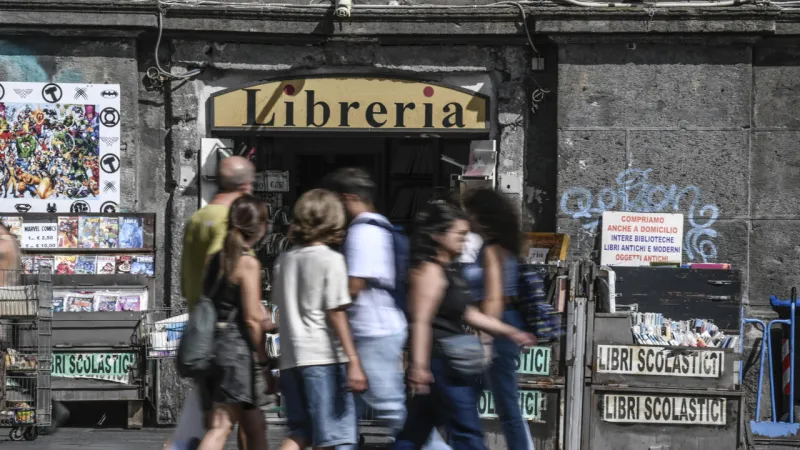
Rome – The Italian government officially announced the deferral of the school book bonus, shifting its implementation from 2026 to the fiscal year 2027. This change, enacted through a new school decree, directly impacts thousands of families who were anticipating financial relief for educational expenses in the coming year.
The legislative adjustment mandates that 20 million euros will be allocated annually to local municipalities beginning in 2027. These funds are specifically designated to cover the cost of school textbooks, ensuring their gratuitous provision for eligible students nationwide.
Eligibility for the program remains tied to the Equivalent Economic Situation Indicator, or ISEE. Households with an ISEE value of up to 40,000 euros will qualify for the free textbooks, a threshold designed to support middle-to-low income families facing rising educational costs.
The decision to delay the bonus has drawn attention from educational advocates and parent associations. Many express concerns regarding the immediate financial strain on families, particularly those struggling to manage school-related expenditures in the current economic climate.
Observers suggest the postponement reflects broader fiscal considerations within the Italian government. Like other European nations, Italy navigates complex budgetary pressures while striving to maintain essential public services and support programs.
This shift in timeline echoes similar recent challenges in educational funding across Europe. For example, a student mobilization effort in France successfully halted specific education fees planned for their 2027 budget, underscoring public sensitivity to such policies. Student Mobilization Halts French Budget 2027 Education Fees
The school book bonus represents a critical component of Italy's commitment to universal access to education. Providing free textbooks eases the burden on parents and fosters greater equity in academic opportunities for students regardless of their socioeconomic background.
Despite the delay, the long-term commitment to the 20 million euro allocation starting in 2027 reaffirms the government's intent to uphold this support. The interim year will likely require families to continue funding textbook purchases out of pocket.
Local administrations will play a crucial role in implementing the program once it commences. Municipalities will be responsible for distributing the funds and establishing practical mechanisms to ensure eligible students receive their free textbooks efficiently.
The decree does not specify the precise reasons for the one-year deferment, but parliamentary discussions frequently touch upon the delicate balance required to fund various social programs. The government, led by Prime Minister Giorgia Meloni, has recently pressed the European Union for greater fiscal flexibility amid prevailing inflationary pressures. Meloni Presses EU for Fiscal Flexibility Amid Soaring Inflation
This move prompts a comparison to other legislative acts impacting social welfare. For instance, in Spain, political opposition recently blocked a landmark housing decree, illustrating the dynamic and often contentious nature of government policy implementation. Opposition Blocks Spain's Landmark Housing Decree
The school book bonus initiative highlights the ongoing efforts to bolster Italy's public education system. While the postponement may cause temporary disappointment, its eventual rollout aims to provide sustained support for student learning.
Parent organizations have indicated they will monitor the situation closely, urging transparency regarding the allocation and distribution process once the bonus becomes active. Their advocacy emphasizes the importance of predictable and reliable educational funding.
Educational experts stress that such programs are vital for national development, contributing to higher literacy rates and reducing dropout rates. Ensuring all students have the necessary materials is a foundational step towards academic success.
The Italian Ministry of Education has yet to issue a detailed statement on the operational specifics for 2026, focusing instead on the 2027 rollout. This leaves some ambiguity for families planning their budgets for the upcoming academic year.
The ISEE threshold of 40,000 euros aims to target support effectively, preventing widespread reliance while still assisting a broad segment of the population. This targeted approach is a common feature in many Italian social welfare programs.
While the immediate financial relief is delayed, the program's future funding of 20 million euros annually represents a substantial investment in the country's youth and educational infrastructure.
Ultimately, the postponement underscores the continuous negotiation between national fiscal capacity and the pressing needs of its citizens, particularly within critical sectors like education.