 Debby Wijaya
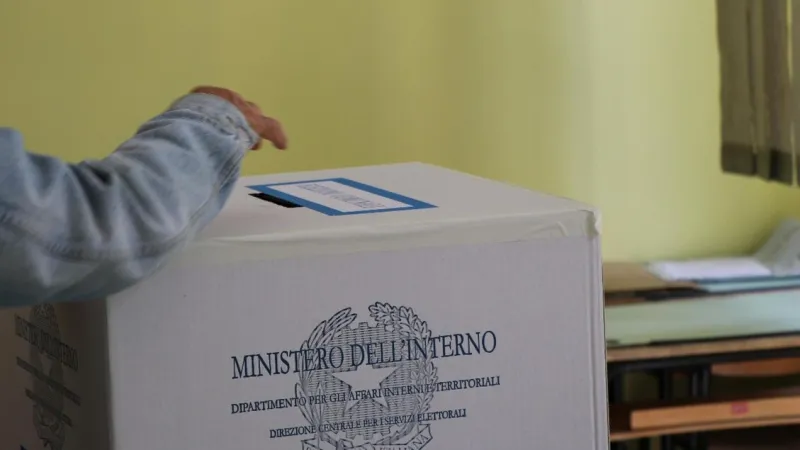
ROME – Voter turnout plummeted across Italy during the municipal runoff elections held in six provincial capitals and 35 other cities. Figures released by 7 PM on election day showed a sharp decrease in participation, dropping from an earlier 36% to a mere 28.2% nationally, signaling growing voter apathy in crucial local governance contests.
The widespread decline underscores a potential challenge for the nation's political landscape, as parties vie for control in municipalities that often serve as proving grounds for broader electoral strategies. The significant drop in engagement could impact the legitimacy of the incoming administrations and reshape political dynamics at the local level.
Simultaneously, 148 municipalities across Sardinia were also casting ballots for their first-round elections, adding another layer to the day's electoral activities. While these Sardinian votes were distinct from the national runoffs, the overall trend of reduced participation potentially reflects a broader sentiment among the Italian electorate.
Political analysts are scrutinizing the figures, seeking to understand the underlying causes of this electoral disengagement. Explanations range from voter fatigue, given the frequent electoral cycles, to a perceived lack of differentiation between political platforms or candidates at the local level.
Historically, local elections in Italy have often seen robust participation, as citizens directly elect leaders who impact their daily lives. The current dip, therefore, represents a notable shift and raises questions about civic participation and trust in local institutions.
For many political observers, low turnout typically favors more organized and ideologically committed voter bases, potentially leading to results that do not fully reflect the broader public sentiment. This can have long-term implications for local policy-making and public representation.
The stakes in these runoff elections are considerable, with outcomes determining control over various city councils and mayoral offices, which wield significant influence over urban planning, public services, and local economic development. The political compositions of these municipal governments can also send signals about national political trends.
Previous electoral events, such as the crucial Italy Holds Crucial Runoffs in 12 Regions, Sardinia Votes, have shown varying levels of engagement. However, the current decline is particularly pronounced and warrants closer examination by political parties and civic organizations alike.
Experts suggest that an increasingly complex political environment, coupled with economic uncertainties, may contribute to a feeling of powerlessness among voters, deterring them from participating. The challenge now for political leaders will be to re-engage the electorate and articulate compelling visions for local governance.
As the final results emerge, the post-election analysis will focus not only on who won, but also on the silent majority that chose not to participate, and what their absence signifies for the health of Italian democracy.