 Edward DP Situmorang
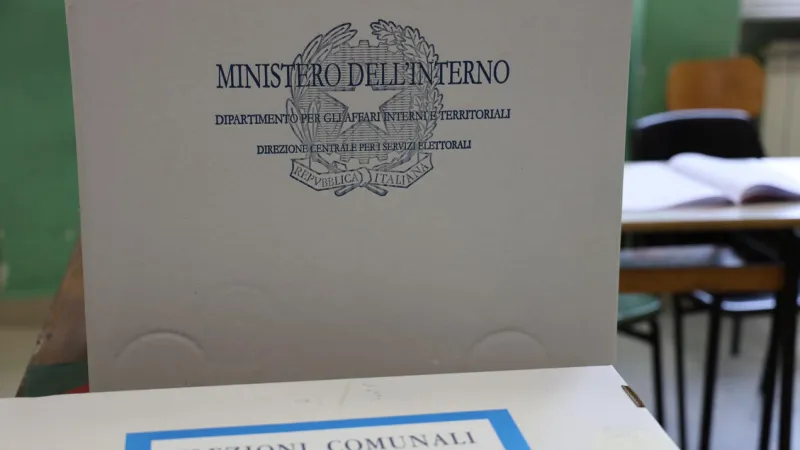
Millions of Italian voters are participating in a critical two-day election cycle this weekend, with polls open across 12 regions for municipal runoffs and in 148 municipalities within Sardinia for new local administrations. The balloting commenced on Saturday and will conclude on Sunday afternoon, determining significant political landscapes at the subnational level throughout the nation.
The electoral process encompasses a broad geographic swathe of Italy, reflecting diverse local political dynamics. While the runoff elections target mayoral positions and council seats in cities where no candidate secured an absolute majority in the first round, the Sardinian vote is comprehensive, establishing full municipal leadership in those 148 communities.
Polling stations opened at 7 AM local time on Saturday, remaining accessible to citizens until 11 PM. Voting will resume on Sunday, from 7 AM until 3 PM, ensuring ample opportunity for residents to exercise their democratic right. The outcomes are keenly anticipated, as they will reshape local governance and potentially signal broader political shifts ahead of future national contests.
These elections often hinge on localized issues, ranging from urban development and infrastructure projects to public services and environmental policies. Candidates have campaigned vigorously on platforms addressing community-specific concerns, seeking to mobilize voters in what can often be lower-turnout second-round contests.
Runoff elections, a common feature of the Italian electoral system for municipal contests, occur when no candidate achieves more than 50% of the vote in the initial round. They typically feature the top two contenders, compelling them to build broader coalitions or appeal to swing voters who supported eliminated candidates.
In Sardinia, the 148 municipalities participating in this electoral round are not necessarily undergoing runoffs but rather comprehensive first-round elections to select their full slate of mayors and councilors. This distinct voting process adds another layer of complexity to the overall national electoral picture.
Though local in scope, these elections frequently serve as litmus tests for the popularity and organizational strength of national political parties. Strong performances by governing parties can reinforce their mandate, while significant losses might prompt internal reflections and strategic adjustments.
Voter turnout in runoff elections typically experiences a decline compared to the first round. Political analysts will closely scrutinize participation rates, as they offer insights into voter enthusiasm and the perceived importance of these local contests. The effort to encourage citizens to return to the polls for a second time is a significant challenge for all political factions.
While specific high-profile battles were contested across the 12 regions, the comprehensive data on individual cities is not immediately available. However, such elections routinely attract considerable attention, especially in larger urban centers or regions with significant economic and demographic weight. The electoral dynamics vary considerably across the peninsula.
The current electoral activity follows prior municipal electoral rounds earlier this year, as Italy continues its cycle of local governance renewal. For deeper context on previous municipal elections, one might recall the recent focus on Italy Readies for Crucial Municipal Runoffs Across Six Capital Cities.
Ultimately, these elections underscore the robust and decentralized nature of Italian democracy, where local self-governance plays a pivotal role in the nation's political fabric. The results will soon clarify the preferences of millions of citizens for their immediate leaders and community directions.