 Debby Wijaya
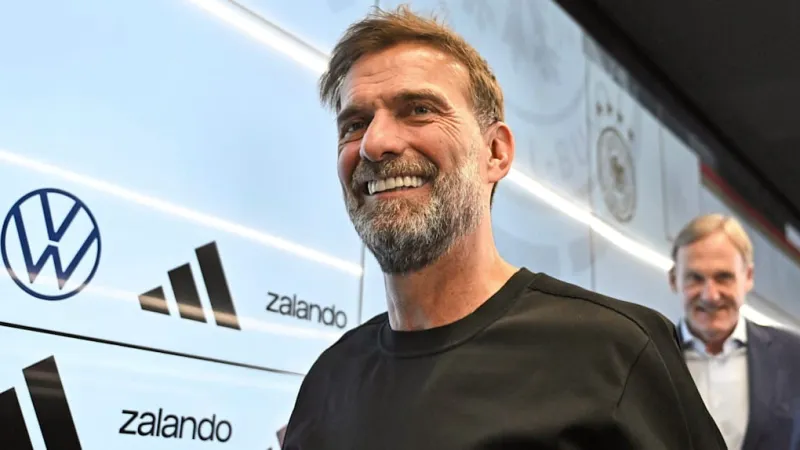
Jürgen Klopp, newly appointed as head coach of the German national football team, has encountered a polarizing reception following his initial public appearances, drawing both significant acclaim for his strategic vision and notable criticism regarding his preliminary structural and personnel decisions.
Following his enthronement, Klopp outlined a forward-thinking vision for the squad, emphasizing dynamism, cohesion, and a return to Germany's traditional attacking prowess. This strategic blueprint resonated positively with many observers.
Former national team captain Lothar Matthäus, a prominent voice in German football, notably lauded Klopp's initial personnel choices. Matthäus praised the decisive direction and clear philosophy emanating from the new head coach, signaling strong approval for the strategic overhaul.
However, the enthusiasm is not universal. A segment of the footballing community and media analysts has voiced reservations. These dissenting opinions specifically target certain structural alterations and the perceived rationale behind early team selections.
Klopp's arrival marks a pivotal moment for German football, which seeks to reclaim its dominant position on the international stage after a period of underperformance in major tournaments. His appointment was widely seen as an attempt to inject new energy and tactical innovation.
The structural changes initiated by Klopp involve not only the playing squad but also the broader coaching and support staff. These modifications aim to foster a fresh environment conducive to success, reflecting his comprehensive approach to team building.
Supporters of Klopp's early decisions often point to his illustrious track record. His tenure at clubs like Borussia Dortmund and Liverpool Football Club saw him transform teams into formidable, trophy-winning outfits through a distinctive, high-intensity style of play.
Critics, conversely, express concerns about the potential disruption these swift changes might cause. Some question whether the new methodology aligns optimally with the existing talent pool or suggest that specific player omissions require clearer justification.
The intense scrutiny from the German media underscores the nation's profound passion for football. Every pronouncement and every strategic move by the national team coach, particularly Jürgen Klopp, is dissected with meticulous detail, reflecting the high stakes involved.
Fan expectations are understandably elevated. Many German supporters harbor high hopes that Klopp, with his charismatic leadership and proven ability to inspire, will be the catalyst needed to restore the team's competitive edge and bring renewed glory.
The immediate challenges for Klopp include navigating forthcoming tournament qualifiers while simultaneously integrating new talent alongside seasoned veterans. Striking this delicate balance will be crucial for both short-term results and long-term development.
Germany's rich footballing legacy and its history of consistent success on the global stage add an immense layer of pressure to the role of Bundestrainer. The nation demands not just participation but competitive excellence.
Expert analysis continues to weigh the potential long-term impact of Klopp's distinct coaching philosophy on the national team's identity. His emphasis on aggressive pressing and quick transitions represents a notable shift from some previous tactical approaches.
All eyes are now fixed on the upcoming international fixtures. These matches will serve as the initial litmus test for how Jürgen Klopp's strategic vision and personnel decisions translate into tangible performance on the pitch.
The interplay between widespread optimism and specific areas of concern defines the current atmosphere surrounding the German national team. Klopp's leadership will determine whether this initial blend of praise and dissent ultimately coalesces into unified success.