 Edward DP Situmorang
Marcinelle, Belgium — A solemn ceremony commemorating the 1956 mining disaster at Bois du Cazier was fractured by political discord this week, as Italian Prime Minister Giorgia Meloni publicly condemned a protest staged by the CGIL labor union. The incident underscored escalating tensions between the Italian government and its most prominent trade confederation, transforming a memorial event into a platform for partisan disagreement.
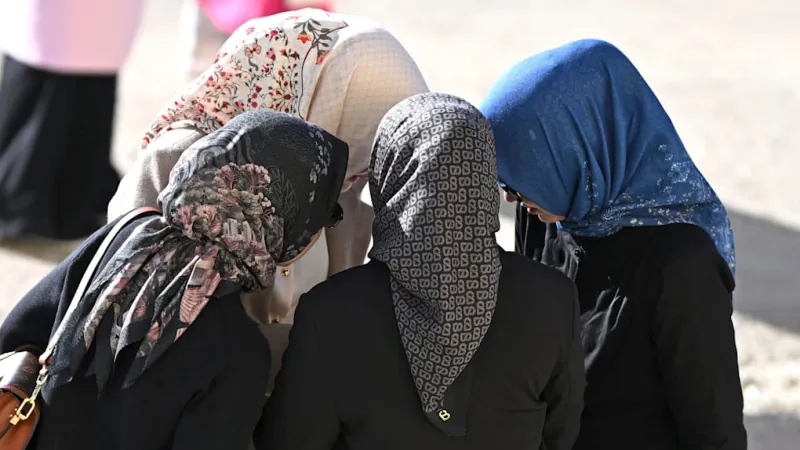
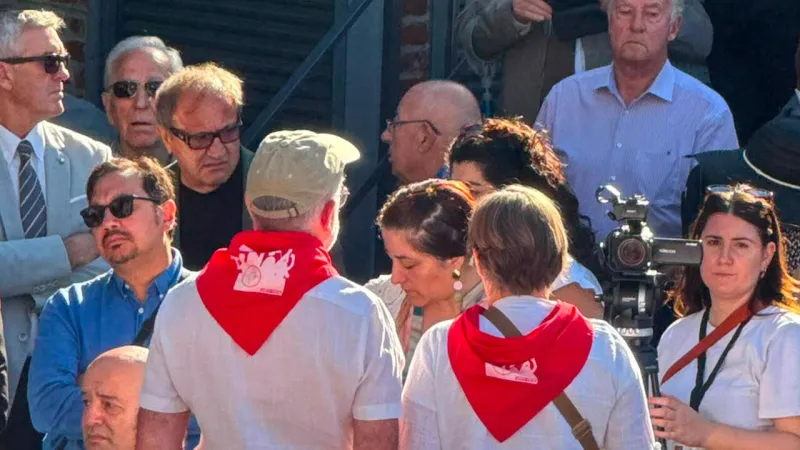
Witnesses reported that members of the Confederazione Generale Italiana del Lavoro (CGIL) turned their backs on the Italian delegation during official speeches, a gesture interpreted as a direct challenge to Prime Minister Melonis administration. The demonstration unfolded against the backdrop of an event meant to unite attendees in remembrance of the 262 victims, many of whom were Italian migrant workers.
Prime Minister Meloni reacted sharply to the display. "It is shameful to turn ones backs during a commemoration of such profound historical significance," she stated, addressing the press after the ceremony. Her words conveyed a strong sense of indignation at what she perceived as disrespect for the solemn occasion and its victims.
Maurizio Landini, secretary general of CGIL, dismissed Melonis criticism. He characterized the incident as "a sunstroke," implying a trivial or mistaken interpretation of their actions. Landini has frequently voiced his unions opposition to the governments proposed labor reforms, which he argues undermine workers rights.
Adding another layer to the controversy, a representative of the Belgian trade union confirmed their involvement. "It was us," the official stated, indicating that the protest was a coordinated effort, likely with solidarity from Italian unions. This collective action highlights the cross-border nature of labor solidarity and dissent.
The Marcinelle disaster, which occurred on August 8, 1956, remains one of Europes deadliest industrial accidents. A fire in the Bois du Cazier coal mine claimed the lives of 262 miners from 12 different nationalities, predominantly Italians and Belgians. The annual commemoration serves as a powerful symbol of worker sacrifice, migrant struggles, and the enduring fight for safer labor conditions.
The protest reflects a broader environment of heightened political friction within Italy. Prime Minister Melonis Brothers of Italy party, leading a right-wing coalition, has pursued policies aimed at reforming the labor market and welfare system. These initiatives have often met fierce resistance from organized labor, which fears erosion of protections.
While the specific policies provoking the CGIL protest at Marcinelle were not explicitly detailed during the ceremony, their core grievances typically revolve around issues such as contract flexibility, minimum wage debates, and social security reforms. The union views these government actions as detrimental to working-class families and economic stability.
The public confrontation at Marcinelle casts a shadow over the ability of Italy's political and labor leaders to find common ground on critical national issues. Such displays of division, particularly at a site dedicated to unity and remembrance, risk polarizing public discourse further rather than fostering constructive dialogue.
The incident echoes previous confrontations where political figures have reacted strongly to union activities. Prime Minister Meloni has previously expressed strong disapproval of what she perceives as politically motivated actions by unions during sensitive events. For example, she previously slammed a previous CGIL protest during a Marcinelle commemoration, indicating a recurring pattern of tension.
Observers noted the poignant symbolism of the protest taking place at Marcinelle. The site is not only a memorial to a tragic loss of life but also a monument to the collective struggle for workers rights and the plight of migrants seeking better opportunities. This context imbues the labor unions actions with historical resonance, framing their dissent within a legacy of advocacy.
The discussion surrounding migrant workers at Marcinelle also connects to contemporary debates on migration and human dignity, a theme often invoked by Italian leaders when reflecting on the tragedy. President Sergio Mattarella, for instance, has previously linked migrant dignity to the Marcinelle worker tragedy, emphasizing the human cost of dangerous labor and the importance of humane treatment for all workers.
The fallout from the Marcinelle incident will likely contribute to a more entrenched standoff between the government and labor unions as Italy navigates ongoing economic challenges and prepares for future policy debates. The symbolic power of the protest could galvanize further union action, while the governments strong condemnation indicates a firm stance against perceived disrespect.
The involvement of Belgian trade unions underscores an international dimension to labor issues, particularly within the European context. Cross-border solidarity remains a significant force for unions advocating for workers rights and against austerity measures or perceived anti-labor policies in their respective nations.
The Marcinelle commemoration, intended as a moment of collective memory, instead became a vivid tableau of Italias internal political struggles, leaving observers to ponder the path forward for dialogue and reconciliation between the nations leaders and its powerful labor movements.