 Dodi Irawan
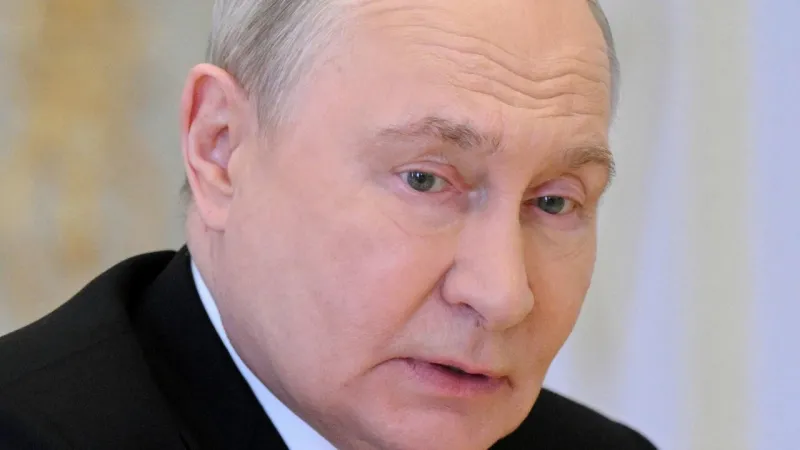
BRUSSELS – Italian Prime Minister Giorgia Meloni has emerged as a pivotal figure in European Union diplomatic efforts, reportedly placed on a five-member shortlist of leaders considered for potential negotiations with Russian President Vladimir Putin. This significant development, reported by The Daily Telegraph, indicates a strategic shift within Brussels to explore avenues for de-escalation and a resolution to the ongoing conflict. Meloni is joined by the Czech president and three Nordic leaders in this pivotal initiative.
The inclusion of Prime Minister Meloni, known for her firm stance on national sovereignty and unwavering support for Ukraine, signals a complex diplomatic calculus by the EU. Her presence on such a crucial list underscores Italy's growing influence within the European political landscape, particularly in matters of foreign policy and security.
According to the British newspaper, which cited unnamed sources close to EU discussions, the European Commission compiled this confidential list as it grapples with the protracted conflict and its far-reaching consequences across the continent. The proposed leaders are expected to bring diverse perspectives and negotiating styles to the table.
Alongside Meloni, the shortlist features the Czech president — widely understood to be Petr Pavel, given his military background and current office — and three leaders from Nordic nations. While their specific identities were not immediately disclosed, their inclusion points to a geographical and political balancing act by Brussels, aiming for broad representation in any high-stakes dialogue with Moscow.
The initiative materializes at a critical juncture for Europe, with persistent geopolitical tensions and the looming uncertainty surrounding the future of Western alliances. President Donald Trump's past statements on the conflict and his expressed desire for a rapid resolution have added urgency to European leaders exploring their own diplomatic pathways. Concerns within European capitals about the United States' long-term commitment to Ukraine have been palpable, with some officials alleging that President Trump gambles with the Kremlin and Ukraine's fate, further solidifying the EU's need for an independent strategy.
Meloni's government has consistently affirmed Italy's unwavering support for Ukraine, providing substantial military and humanitarian aid since the conflict began. Her involvement in potential direct talks with Putin, however, suggests a pragmatic recognition within European circles that channels for dialogue, however challenging, must remain open. This move could position Italy as a central player in shaping Europe's future security architecture.
Engaging with President Putin presents formidable challenges, given the deeply entrenched positions of both sides. Past attempts at de-escalation have largely failed, and any new diplomatic overture would face intense scrutiny from international allies and domestic constituencies alike. The selection of a diverse group of leaders could be an attempt to mitigate potential criticisms and foster a more unified European approach.
The prospect of such high-level European negotiations carries significant geopolitical implications. It could signal a greater willingness by the EU to assume a more autonomous role in resolving conflicts on its doorstep, rather than solely relying on external powers. This aligns with broader calls for enhanced European strategic autonomy in an increasingly multipolar world.
Previous attempts by European leaders to engage directly with Putin have yielded mixed results, often marked by a lack of substantive breakthroughs. The current European security paradigm dictates that any dialogue would need to be carefully calibrated to avoid legitimizing Russian aggression while still seeking a viable path towards peace.
Reaction to Meloni's potential role in these negotiations is expected to be varied, both within Italy and across Europe. For Italy, it represents a moment of elevated international profile and diplomatic responsibility. For the EU, it signals a determined effort to manage the most significant security crisis on the continent in decades.
This development also underscores the broader challenges facing European nations, from economic shifts to complex migration patterns. The imperative for a cohesive foreign policy response, particularly concerning the Ukraine conflict, remains paramount for maintaining stability and unity within the bloc. Several European nations, including Sweden, have consistently urged Europe to unlock urgent Ukraine aid amid lingering doubts about international support, highlighting the interconnectedness of these diplomatic endeavors.
The precise timeline for these potential negotiations remains unclear, but the mere compilation of such a shortlist indicates a serious commitment from Brussels to explore all diplomatic avenues. The eventual engagement, if it proceeds, will test the resolve and unity of the European Union on a global stage.