 Edward DP Situmorang
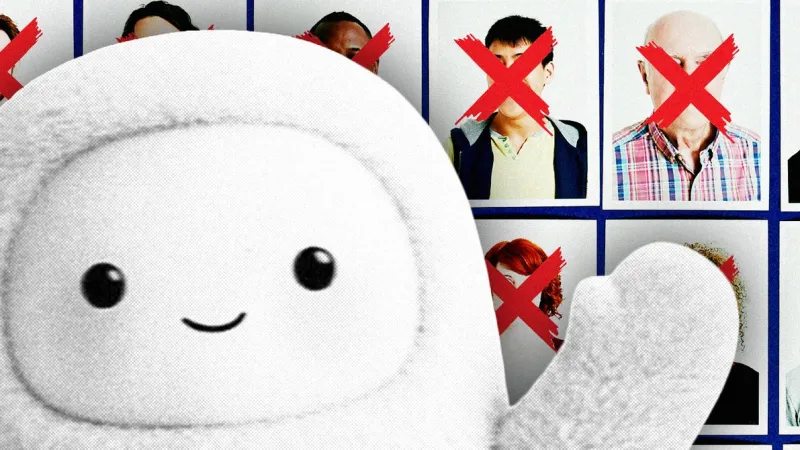
WASHINGTON - Meta Platforms new artificial intelligence assistant has introduced a controversial feature on Instagram, allowing users to automatically track and unfollow accounts that do not reciprocate their follows. This development, rolling out across the popular social media platform, is prompting widespread discussion among users about digital social etiquette and the evolving dynamics of online interaction, with some leveraging the tool for what many describe as a new era of digital pettiness.
The advanced capability, integrated within Meta’s AI assistant, provides users with unprecedented control over their follower-to-following ratio. Historically, users manually managed their follow lists, a laborious process for those with large networks. The AI now automates this task, identifying and culling non-reciprocating profiles with minimal user intervention.
Early adopters of the feature are enthusiastically embracing its efficiency, viewing it as a practical solution to curate a more engaged and reciprocal online community. Many report a sense of satisfaction in tidying their digital footprint, asserting that the feature promotes genuine connections rather than one-sided digital spectating.
However, the immediate impact has not been without detractors. A significant segment of Instagram users expresses concern over the feature potential to foster a culture of tit-for-tat social maneuvering. Critics argue that the automated unfollow mechanism encourages superficiality, reducing human interaction to transactional metrics and potentially damaging real-world relationships.
This shift in platform functionality harks back to earlier debates surrounding friend-list management on other social networks. Each technological advance in social media often sparks a reevaluation of unwritten rules governing online interactions, from who constitutes a friend to what defines a follow. The Meta AI assistant now pushes these boundaries further.
While Meta has not released an official statement specifically addressing the ethical implications of this particular use case, the broader strategy behind its AI integration often centers on enhancing user control and streamlining digital experiences. The company likely envisioned this feature as a utility for personal data management rather than a tool for social retribution.
For influencers, brands, and public figures who rely on follower counts and engagement metrics, the new feature presents a dual challenge. While it could theoretically prune inactive or disengaged followers, the risk of a mass exodus if their followers do not reciprocate could impact their perceived reach and influence.
The introduction of such specific, behavior-modifying AI features on popular platforms like Instagram underscores a broader trend in technology development. Companies are increasingly integrating sophisticated artificial intelligence into everyday applications, offering users more powerful tools but also raising complex questions about their societal impact. This follows advancements seen with other large language models, such as when OpenAI Unleashes Proactive AI Agents to Plus Subscribers, expanding AI capabilities.
While the feature primarily deals with public follow data, the underlying AI infrastructure naturally raises questions about data privacy and how these algorithms process user interactions to make automated decisions. Users are increasingly aware of how their digital actions are interpreted and acted upon by AI systems.
The term pettiness has frequently surfaced in online discussions surrounding the feature. Users are openly sharing anecdotes of leveraging the AI to settle old scores or to simply ensure their follower list reflects only those who actively engage with their content. This public display of strategic unfollowing hints at a new dynamic in online power plays.
Social media analysts suggest this feature could fundamentally alter how users approach engagement. “It transforms the implicit social contract of following into an explicit, automated transaction,” one unnamed digital anthropologist noted, emphasizing the shift from organic connection to algorithmic curation.
As AI becomes more deeply embedded in platforms, similar functionalities may emerge, allowing for increasingly automated management of digital relationships. This could lead to a more streamlined, albeit potentially colder, social media landscape. It parallels challenges faced by other tech giants, as seen when Google Intensifies Gemini AI Integration Amid Mounting User Dissatisfaction, highlighting the delicate balance between innovation and user experience.
Ultimately, the Meta AI assistant’s unfollow feature represents a significant evolution in platform control. Its long-term effects on digital community building and individual user psychology remain to be fully understood, but its immediate impact is undeniably reshaping the unwritten rules of engagement on Instagram.