 Robert Andrison
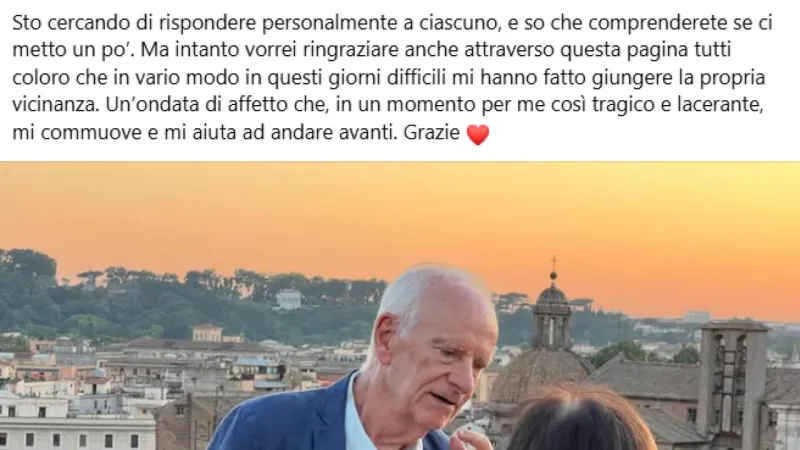
Italian Minister Roccella recently posted a poignant message on her official Facebook page, extending heartfelt gratitude for the significant wave of public affection and support she received during what she described as a "tragic and lacerating moment."
As the Minister for Family, Natality, and Equal Opportunities, Roccella holds a prominent position within the Italian government. Her public statement underscores the personal challenges that can intersect with the demanding nature of high-profile political office, even for seasoned officials in 2026.
The phrase "tragic and lacerating moment" immediately conveyed a profound sense of personal distress, prompting an outpouring of empathetic responses from across the country. Such an intimate disclosure from a minister is a rare occurrence, highlighting the depth of her experience.
Her decision to communicate directly through Facebook bypasses traditional media channels, offering a raw and unmediated glimpse into her private life while simultaneously engaging with her constituents.
The widespread public reaction, characterized by expressions of sympathy and solidarity, illustrates the human connection that can form between citizens and their leaders, particularly during times of perceived vulnerability. It transcends typical political alignments.
For a public figure like Minister Roccella, navigating personal hardship under constant scrutiny presents a unique set of challenges. Her message serves as a testament to the resilience required to maintain public service amidst private sorrow.
The increasing prominence of social media platforms as conduits for such personal announcements reflects an evolving landscape of political communication, where authenticity often resonates deeply with the electorate.
Observers note that such candidness can humanize political figures, fostering a deeper understanding and appreciation for the individuals behind official titles and policy debates. Minister Roccella's words struck a chord with many.
The nature of Italian public sentiment often includes a strong capacity for empathy and collective support, particularly when a well-known personality shares a personal struggle. This cultural nuance likely contributed to the overwhelming response.
Minister Roccella's message therefore stands not only as a personal thank you but also as a powerful reminder of the shared human experience that binds leaders and the led, even in the highly charged atmosphere of national politics.
This demonstration of public solidarity could serve to strengthen the bond between Minister Roccella and those she serves, reinforcing the notion that even those in positions of power face deeply personal trials.
In an era where political discourse often feels polarized, her message offered a moment of unity, centered on shared human emotion rather than ideological differences, creating a bridge between government and populace.