 Stefani Rindus
Oulx, Italy — Hundreds of masked protesters violently clashed with authorities and targeted a high-speed rail construction site today, setting two Carabinieri vans ablaze during a No Tav demonstration that forced the closure of the A32 motorway between Oulx and Susa Est. The dramatic escalation marks a renewed surge in long-standing opposition to the controversial infrastructure project.
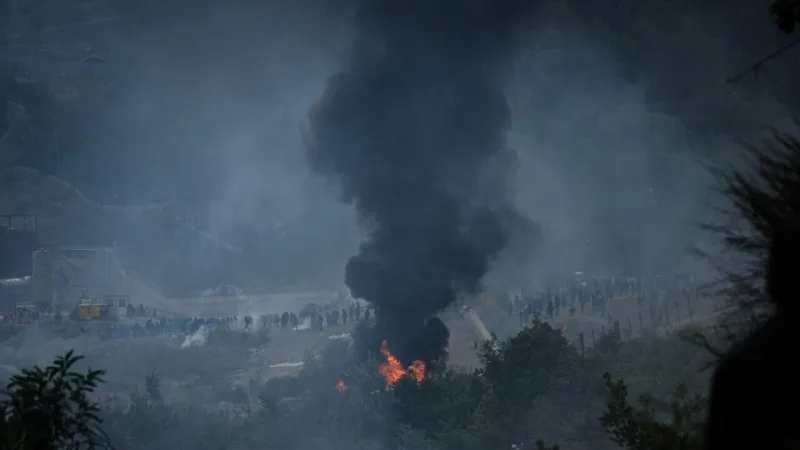
The chaotic scene unfolded as scores of black-clad individuals, many with faces obscured, launched a coordinated assault on the secure perimeter of the construction area. Eyewitnesses reported a barrage of paper bombs and other projectiles, met by tear gas deployed by law enforcement attempting to repel the advance.
The most significant damage involved the deliberate torching of two Carabinieri utility vehicles. Flames rapidly engulfed the parked vans, sending plumes of thick, black smoke skyward and underscoring the destructive intent of a faction within the protest.
Authorities swiftly reacted by closing sections of the crucial A32 motorway, which connects Turin with Bardonecchia and the Frejus Tunnel, impacting travel and transport in the region. The closure, specifically between Oulx and Susa Est exits, was implemented to ensure public safety and manage the volatile situation.
The No Tav movement, which translates to No High-Speed Train, has for decades opposed the construction of the Turin-Lyon high-speed railway line. Proponents argue the project is vital for European connectivity and economic growth, while critics cite environmental concerns, excessive costs, and a perceived lack of public benefit.
This latest outburst of violence is not an isolated incident but rather a continuation of a contentious history marked by frequent confrontations between activists and state forces. Previous No Tav protests have seen similar clashes, property damage, and arrests, highlighting the deep-seated opposition to the infrastructure development.
Core arguments from No Tav activists frequently center on the significant environmental impact of tunneling through the Val di Susa region. They claim the project threatens fragile ecosystems, disrupts local communities, and potentially exposes residents to hazardous materials.
Conversely, project supporters, including successive Italian governments, emphasize the strategic importance of the high-speed link for freight and passenger transport, aiming to reduce road congestion and carbon emissions in the long term. The rail link is part of the broader Trans-European Transport Network (TEN-T).
Law enforcement officials, including Carabinieri and local police, are conducting an extensive investigation into the events. They are reviewing surveillance footage and collecting evidence from the scene to identify and apprehend those responsible for the acts of vandalism and assault.
Local political leaders, while condemning the violence, have renewed calls for calm and a return to peaceful dialogue regarding the project. The intensity of the protest underscores the deep societal divisions the No Tav project continues to generate within Italy, with recent incidents like those reported by the Bologna Mayor regarding online threats after city clashes reflecting broader social tensions.
The incident raises questions about future security measures surrounding the high-speed rail construction and the strategies employed by both protesters and authorities. It portends further challenges in completing the ambitious infrastructure project amidst persistent and at times violent opposition.
The No Tav movement also draws parallels with other anti-globalization and environmental protests across Europe, where local resistance often clashes with national and international development agendas. The incident serves as a stark reminder of the complexities inherent in large-scale infrastructure undertakings.