 Dorry Archiles
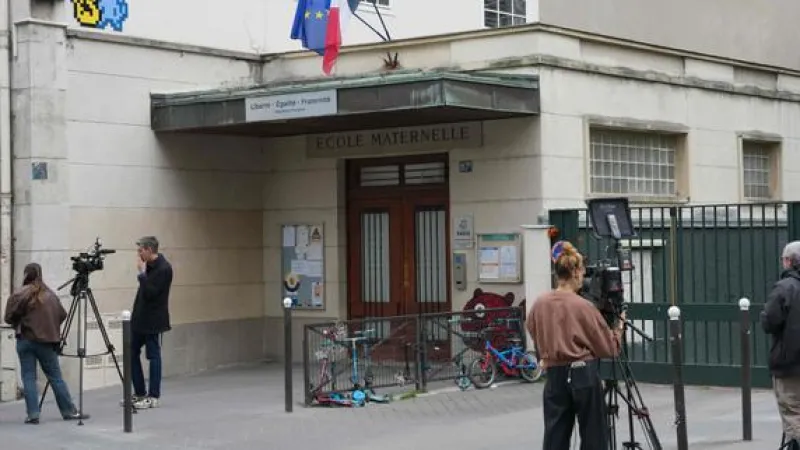
PARIS – Two after-school animators, aged 52 and 44, have been formally indicted for alleged rape and sexual assault on minors following investigations into violences during after-school programs at the Saint-Dominique school. Authorities placed both men in provisional detention as the serious allegations continue to unfold in the French capital.
The indictment marks a critical development in a case that has sent shockwaves through the community, prompting renewed scrutiny of child safety protocols within educational and extracurricular settings. The specific details of the alleged abuses remain under judicial seal, but the gravity of the charges underscores the profound concern for the welfare of young students entrusted to periscolaire care.
Judicial sources confirmed the provisional detention of the two individuals, a measure typically reserved for cases where there is a perceived flight risk or a potential threat to the ongoing investigation or to public safety. This decision highlights the serious nature with which the French legal system is approaching these accusations.
This incident casts a shadow over the critical role after-school programs play in supporting working families and enriching childrens lives. Parents across France are once again confronting anxieties about the safeguards in place to protect their children in environments meant to be nurturing and secure.
The development comes as France has been proactively addressing issues of misconduct involving minors. Notably, the nation recently instituted a permanent blacklist for school staff misconduct with minors, a measure designed to prevent individuals accused or convicted of such crimes from ever working with children again. This legislative action reflects a heightened commitment to protecting young people.
Furthermore, the French Assembly has been advancing a broad anti-violence bill following school scandals, indicating a systemic effort to fortify legal frameworks and implement stricter oversight. These legislative initiatives underscore a national recognition of the vulnerabilities children face and the imperative to create safer environments.
The current case also echoes concerns raised by another high-profile instance, such as the Paris Baudin school animator denying charges amid a sex assault trial. While each case is distinct, the cumulative effect of these allegations places considerable pressure on authorities to ensure thorough investigations and robust preventative measures.
The allegations are particularly damaging to public trust in after-school services, which are integral to the French education system. These services, often managed by municipal authorities, provide supervised activities outside regular school hours, making the alleged breaches of trust especially egregious.
While specifics of the ongoing investigation remain confidential, authorities are expected to examine all aspects, including the recruitment processes for animators, supervision protocols during activities, and how initial complaints, if any, were handled. The integrity of these systems is now under intense scrutiny.
Community leaders and child advocacy groups are calling for complete transparency and a swift, just resolution to the case. The outcome will likely influence future policies regarding child protection in French schools and after-school programs, aiming to prevent such grave incidents from recurring.
The judicial process will involve further interrogations, collection of evidence, and potentially expert psychological evaluations. Both accused men are presumed innocent until proven guilty, and they will have the opportunity to present their defense as the case progresses through the French courts.
This situation highlights broader societal responsibilities in safeguarding children. It compels a re-evaluation of how communities, institutions, and families work collaboratively to create environments where children can thrive free from exploitation and harm.