 Dodi Irawan
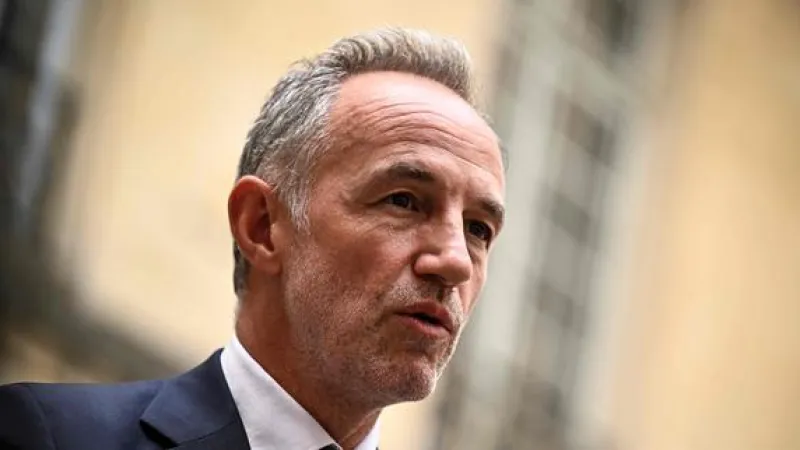
Paris First Deputy Mayor Emmanuel Grégoire is poised to decide on a significant reorganization of Parisian school rhythms by the end of 2026, following a citizen convention's majority endorsement of returning to a four-day school week. This pivotal consideration emerges amidst ongoing concerns for child protection and a recent scandal involving sexual violence in after-school programs.
The citizen convention, specifically tasked with examining child protection and school timing, was convened by the Mayor of Paris in response to heightened public alarm over alleged abuses. Its findings represent a substantial voice from the community on a matter deeply impacting families and educators across the capital.
The proposal to revert to a four-day school week marks a potential reversal of a policy introduced in 2013, which extended the school week to four and a half days, aiming to better distribute learning time and integrate extracurricular activities. That reform faced mixed reactions, with some praising its pedagogical intent and others criticizing its logistical and financial strain on families and municipalities.
Advocates for the four-day week often cite improved rest for children, enhanced family time, and potential cost savings for municipalities as primary benefits. They argue that a longer weekend allows children to recharge more effectively, potentially reducing fatigue and increasing their capacity to learn during the weekdays.
Conversely, opponents frequently raise concerns about the potential for academic learning loss due to fewer contact hours, and the increased burden on parents to arrange childcare for an additional day. The implications for working parents, particularly those with limited resources, form a central part of this complex debate.
Grégoire's upcoming decision carries considerable weight, not only for the hundreds of thousands of Parisian schoolchildren and their families but also as a potential precedent for other French cities contemplating similar changes. Education policy at the municipal level often reflects broader national trends and concerns.
The convention's recommendations directly address the critical need for robust child protection measures, a focus sharpened by the recent scandal. The connection drawn between school rhythms and the safety of children in supervised settings underscores the multifaceted nature of the challenge facing city officials.
The current school schedule in Paris, like many other French cities, generally allocates 24 hours of instruction across nine half-days, including Wednesday mornings. A return to the four-day model would likely mean condensing these hours into eight half-days, primarily from Monday to Friday, excluding Wednesdays entirely or making them optional for activities.
City Hall officials have indicated that a comprehensive impact study would precede any final decision. This study would undoubtedly analyze the educational, social, and economic repercussions of such a significant alteration to the existing framework.
Emmanuel Grégoire, as the First Deputy Mayor, holds direct oversight for education within the Parisian municipality. His declaration to finalize this decision by the end of 2026 sets a clear timeline for a reform that could redefine the daily lives of countless children and families in the French capital.
The forthcoming decision will not only shape the academic landscape but also test the city's ability to balance pedagogical imperatives with the evolving needs for child welfare and family support in a post-scandal environment.