Edward DP Situmorang
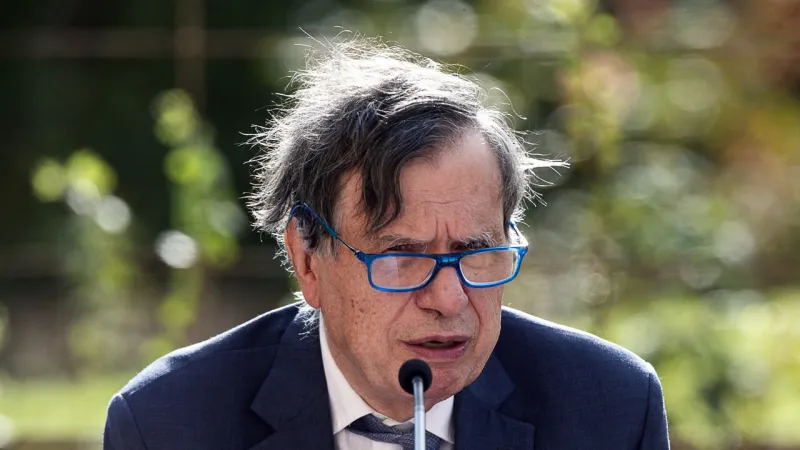
A prominent voice, identified simply as Parisi, recently underscored the severe repercussions of political climate denial, asserting that such stances directly fuel the escalating frequency of damaging extreme weather events across the globe.
These escalating occurrences, ranging from unprecedented heatwaves and torrential floods to prolonged droughts, represent a critical challenge to global stability and public safety. The impact extends beyond environmental degradation, encompassing significant economic disruption and humanitarian crises.
The crux of Parisi's argument centers on the deliberate downplaying or outright rejection of scientific consensus by specific political factions. This strategic obfuscation, he contends, creates a dangerous vacuum where necessary adaptive and mitigative actions are either delayed or outright dismissed, exacerbating climate vulnerabilities.
The tangible costs of this political inertia are profound. Infrastructure strains under the weight of unforeseen deluges, agricultural sectors face ruin from erratic precipitation patterns, and public health systems grapple with heat-related emergencies. These consequences disproportionately affect the most vulnerable populations.
This perspective aligns with growing calls from international bodies for swift and decisive climate action, often obstructed by similar patterns of climate denial in various nations. For instance, the UN Chief recently demanded significant aid, decrying disinformation campaigns that hinder progress, highlighting the global scale of this challenge. The UN Chief Demands $100 Million Aid, Decries Disinformation Campaign underscores the urgency.
Over the past decade, scientific reports have consistently warned of an accelerating trend in these climatic disturbances. Each passing year brings new records in temperature highs, storm intensity, and glacier melt, all pointing to a planetary system under immense stress.
For instance, recent heatwaves across Europe, including those affecting Italy, have led to significant mortality rates and severe economic disruptions. This exacerbates existing vulnerabilities, particularly for marginalized communities, mirroring concerns raised by organizations such as the WHO, which recently reported five heat deaths in Italy, a figure the ministry disputed.
While some nations aggressively pursue renewable energy strategies to mitigate emissions, others remain tethered to fossil fuel interests, often championed by the very political groups accused of climate denial. Germany Shatters Renewable Energy Record, Powers Over Half Nation exemplifies a proactive approach, contrasting sharply with regions where political will remains stalled.
The repercussions of unaddressed climate change are not merely environmental; they are deeply socio-political. Climate-induced migration, resource scarcity, and intensified natural disasters contribute to geopolitical instability, challenging international cooperation and national security frameworks.
President Donald Trump's administration, like others globally, faces continuous pressure to balance economic interests with environmental imperatives amidst the escalating climate crisis. The global political landscape remains divided on the speed and scope of necessary climate action.
Without a fundamental shift in political discourse and policy, experts predict an even more dire future, characterized by widespread resource scarcity, increased forced migration, and heightened geopolitical instability stemming from climate impacts. The long-term economic burden of inaction far outweighs the costs of preventative measures.
Parisi's stark assessment serves as a critical reminder that the rhetoric of climate denial carries direct, measurable consequences for human lives and planetary health, necessitating urgent attention and unified action from leaders worldwide. Addressing this challenge requires overcoming political obstacles and prioritizing evidence-based policymaking.