 Angel Doris
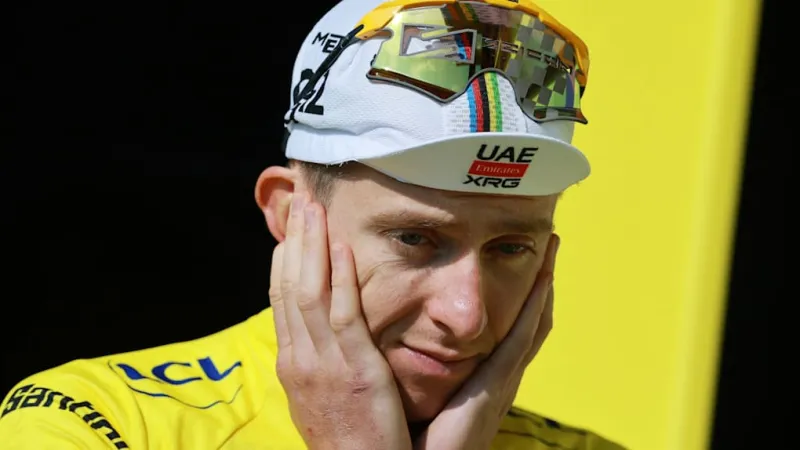
PARIS – Star cyclist Tadej Pogacar has publicly condemned the perceived "inhumane" conditions of the Tour de France, following the severe crash and subsequent withdrawal of his principal rival, Jonas Vingegaard. This incident has sent shockwaves through the premier cycling event, prompting a leading voice to call for systemic review.
The reigning champion, Vingegaard, was forced to abandon the prestigious race after sustaining significant injuries in a high-speed pile-up during a critical stage. His departure dramatically alters the competitive landscape of the Tour, leaving a profound void at the top.
Pogacar, widely considered Vingegaard's fiercest competitor, expressed profound regret over his rival's misfortune. He emphasized that such an outcome is never desired, even in the heat of intense competition, highlighting the camaraderie that often transcends rivalry in professional sports.
Beyond personal sympathy, the Slovenian champion escalated his concerns, directly labeling certain aspects of the race environment as "inhumane." His comments signify a growing frustration among athletes regarding the relentless demands placed upon them.
Specifically, Pogacar cited the disruptive nature of nocturnal doping controls as a prime example of the extreme pressures riders endure. These unannounced tests often occur in the early hours, severely disrupting sleep patterns crucial for recovery and performance in a grueling multi-week race.
The constant threat of these checks, coupled with the physical exertion and mental strain of competing at the highest level, contributes to an environment that Pogacar argues compromises rider well-being and potentially safety. He asserts that while vigilance against doping is essential, the method of its enforcement needs reconsideration.
The incident reignites long-standing debates within professional cycling about athlete welfare, scheduling intensity, and the delicate balance between sporting spectacle and participant safety. Organizers consistently face scrutiny over course design and logistical arrangements.
Vingegaard's absence not only removes a top contender but also shifts dynamics for the remaining peloton. Competitors must now recalibrate their strategies, while the overall narrative of the Tour de France changes fundamentally. The incident echoes sentiments from previous discussions, as captured in Tour De France Rocked: Vingegaard Crashes Out, Pogacar Expresses Sorrow.
Pogacar's outspoken critique positions him not just as a competitor but as an advocate for improved rider conditions. His voice carries considerable weight, potentially prompting a re-evaluation by the Union Cycliste Internationale (UCI) and event organizers.
This is not the first time high-profile athletes have voiced concerns about the demanding schedule and protocols in elite sports. Such discussions are vital for the long-term health and credibility of competitions like the Tour de France.
The Tour de France is notorious for its brutal stages, extreme weather conditions, and the immense mental fortitude required. Adding administrative burdens like erratic drug testing further compounds this pressure, pushing athletes to their physical and psychological limits.
While organizers typically defend their protocols as necessary for ensuring fair play, Pogacar's strong words will undoubtedly draw attention and may necessitate a public response or at least an internal review of practices.
With Vingegaard out, Pogacar's path to victory might seem clearer, but the emotional toll and the controversy surrounding conditions could affect all riders. The focus shifts from pure competition to the broader ethics of professional sport.
The debate sparked by Pogacar could lead to important reforms in cycling. Athlete unions and rider representatives might leverage these comments to push for clearer guidelines on rest periods and drug testing logistics.
Pogacar's rare public outcry serves as a stark reminder that even the most formidable athletes are susceptible to the immense pressures of their profession, and that the human element must remain central to the ethos of competitive sport.