 Dorry Archiles
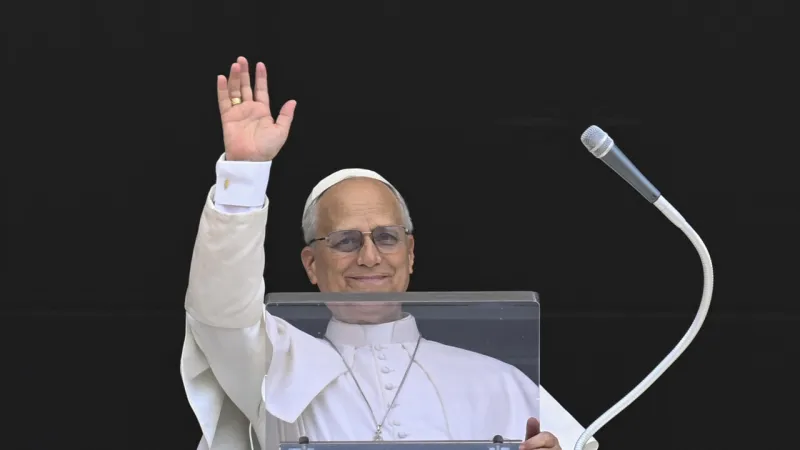
VATICAN CITY – Pope Francis, addressing an audience in the United States via a Vatican connection, formally accepted the distinguished Medal of Freedom, using the occasion to powerfully articulate his identity as a "son of a great nation shaped by immigrants." The pontiff's remarks underscored a foundational theme of his papacy, highlighting the essential contributions of migrant communities to national character and development.
The solemn ceremony, conducted remotely from the Apostolic Palace, saw the Pope recognized for his global leadership and unwavering advocacy for peace, social justice, and human dignity. This significant acknowledgment from the United States comes amidst ongoing international debates concerning migration policies and national identity, giving particular weight to the Pope's message.
His Holiness, whose lineage traces back to Italian immigrants who settled in Argentina, has frequently drawn upon his personal background to inform his pronouncements on migration. This deeply held perspective informs his consistent calls for compassion, welcome, and integration for those seeking new lives in foreign lands.
During his address, Pope Francis did not shy away from framing immigration as a source of strength and cultural enrichment, rather than a challenge. He implicitly challenged exclusionary narratives, portraying diverse societies as inherently more vibrant and resilient due to their varied foundations.
The Medal of Freedom, one of the United States highest civilian honors, is bestowed by the President for especially meritorious contributions to the security or national interests of the United States, world peace, cultural or other significant public or private endeavors. The award signifies a profound recognition from the American establishment.
His declaration of being a "son of a great nation shaped by immigrants" serves as a poignant reminder of his origins and the transformative power of migration. Argentina, like the United States, has a rich history of welcoming immigrants from various parts of the world, shaping its unique cultural tapestry.
The pontiff's message resonates globally, particularly in nations grappling with demographic shifts and the integration of new populations. His words advocate for a paradigm where newcomers are seen as assets, enriching societies with their traditions, skills, and perspectives.
This recognition from the United States further solidifies the Holy See's stance on humanitarian issues, reinforcing the Vatican's moral authority on the global stage. It highlights the diplomatic engagement between the Vatican and nations worldwide, even on contentious social questions.
Observers note that Pope Francis consistently uses such high-profile platforms to advance his vision for a more inclusive and fraternal world. His acceptance speech was no exception, transforming an award ceremony into an opportunity for profound social commentary.
The Pope has often underscored the ethical imperative to protect and promote the rights of migrants and refugees, echoing the teachings of Catholic social doctrine. He advocates for policies that prioritize human dignity and foster solidarity across borders.
This event comes as various nations, including several in Europe and North America, continue to confront complex realities of migration, from border security to economic integration. The Pope's unwavering stance offers a consistent moral compass in these often-polarized discussions.
His emphasis on immigrant contributions is not merely historical; it is a call to action for contemporary societies to recognize the ongoing vitality that migration brings to national life and economic progress.
The Medal of Freedom presented to Pope Francis signifies more than an individual honor; it represents a shared appreciation, from an American perspective, for his universal message of hope, unity, and a more humane approach to global challenges.
The Vatican's enduring commitment to these principles ensures that the Pope's voice remains a significant force in shaping international discourse on humanity's shared responsibilities. His continued advocacy for immigrant rights remains a cornerstone of his pontificate.