 Chandra Wijayanto
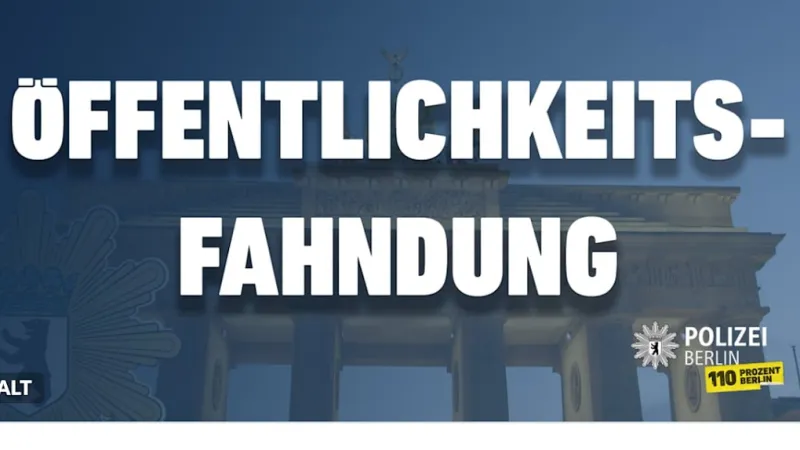
BERLIN – Data protection regulations prohibited Berlin police from disseminating a public wanted photo of Abdul Ballout, the alleged attacker in the recent Christopher Street Day (CSD) assault, on social media platforms, even though the image was available internally just hours after the incident. This restriction has ignited a vigorous debate across Germany concerning the delicate balance between individual privacy rights and the imperative of public safety in rapidly unfolding crises.
The decision not to share Ballout's image on official police social media channels came despite the critical need for public assistance in identifying and locating the suspect following the devastating attack. The CSD event, a vibrant celebration of LGBTQ+ rights, was marred by an act of violence that sent shockwaves through the capital and prompted widespread condemnation.
According to police sources, the photograph of Abdul Ballout was obtained and shared internally within law enforcement agencies with considerable speed after the assault. However, external publication, especially on platforms like X (formerly Twitter) or Facebook, was deemed impermissible under stringent German data privacy laws, specifically the General Data Protection Regulation (GDPR) and national implementing legislation.
This legal interpretation meant that while traditional media outlets could publish the image once it was released through official press channels, the direct and instant reach of social media – a crucial tool in modern emergency response – remained untapped by the police themselves. Critics argue this significantly hampered the immediate search effort.
The incident underscores a persistent tension for German authorities. While committed to upholding some of the world's most robust data protection standards, law enforcement often finds itself navigating complex legal landscapes that can impede proactive communication during critical events. The public expects swift action and clear communication, especially when threats loom.
The CSD attack, which garnered international attention, prompted renewed calls for a reassessment of Germany's approach to identifying and apprehending suspects, particularly in cases involving suspected Islamist motives. Many have argued that current regulations provide an undue advantage to perpetrators and hinder effective policing. Related discussions have surged about how to end Islamist threat denial in the wake of such violence.
Political figures from various parties have weighed in, with some demanding greater flexibility for police in communicating with the public during emergencies. One prominent legislator stated, "We must ensure that our police forces are equipped with every tool necessary to protect citizens, including the ability to inform the public rapidly through all available channels when a dangerous individual is at large."
Conversely, civil liberties groups and privacy advocates caution against an erosion of data protection principles. They argue that broad dissemination of private individuals images, even suspected criminals, without rigorous legal oversight, could lead to abuses, misidentification, and the potential for vigilantism. The rights of the accused, even before conviction, remain paramount under German law.
Information regarding Abdul Ballout, including alleged ISIS links and a history of other offenses, eventually emerged through investigative journalism and official police reports following his apprehension. His case highlights the challenges police face in managing public perception and communication while operating within strict legal parameters. The suspect was ultimately neutralized in a police operation, as reported in articles like ISIS-Linked Assailant Fatally Shot After Deadly Berlin Pride Attack.
The controversy surrounding the photo sharing is not isolated. Germany has grappled with similar dilemmas in other high-profile cases, frequently facing criticism for what some perceive as an overly cautious approach to public warnings and suspect identification. These incidents contribute to a larger national discussion on Germany confronting deadly surges in vehicular attacks and other forms of terrorism.
For law enforcement professionals, the constraints present a difficult operational paradox. They possess information vital for public safety, yet strict regulations limit their ability to leverage widely accessible digital platforms for real-time alerts. This situation often forces them into a reactive rather than proactive communication stance.
The outcome of the Berlin CSD incident, including Ballout's eventual neutralization, has not quelled the debate. Instead, it has intensified calls for a comprehensive review of the legal framework governing police communication and public appeals, particularly in an era dominated by social media.
Legislators are now reportedly considering amendments or clarifications to existing laws to address this perceived gap. Any changes would likely involve careful negotiation between security agencies, government bodies, and privacy commissioners to forge a workable solution that respects both fundamental rights and public security needs.
The Berlin CSD attack and the subsequent debate over Abdul Ballout's photo serve as a critical case study for democracies worldwide grappling with the implications of digital communication, privacy law, and urgent public safety mandates. It highlights the ongoing struggle to adapt centuries-old legal principles to the demands of a hyper-connected 21st century.
This evolving dialogue will undoubtedly shape future policing strategies and legal interpretations not only in Germany but potentially influence similar discussions across the European Union, where robust data protection frameworks are also in place. The ultimate goal remains safeguarding citizens while upholding the foundational tenets of individual liberties.