 Debby Wijaya
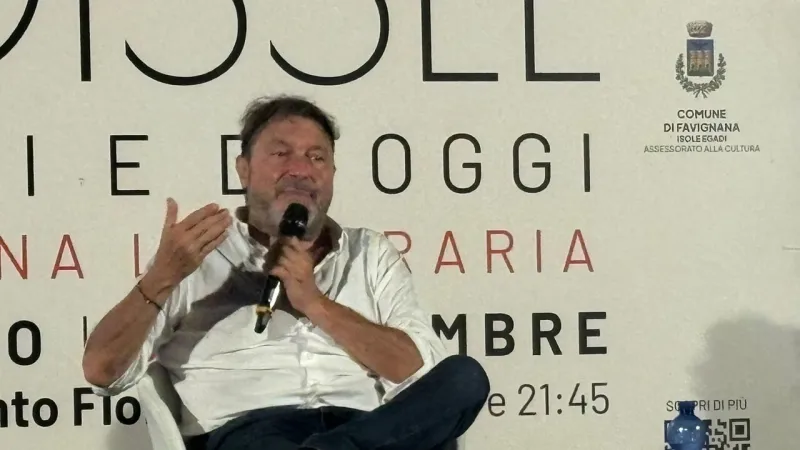
Decisive hours are unfolding for Sigfrido Ranucci, the esteemed host of Italian investigative program Report, as his leadership future hangs precariously amid network deliberations. An internal solution is being actively sought to address the program's direction, but the newsroom itself stands deeply fractured over the potential for an external oversight, a move Ranucci staunchly opposes with a defiant vow to “resist until the end.”
The crisis stems from a period of intense scrutiny and internal debate concerning the editorial autonomy and strategic direction of Report, a flagship program known for its hard-hitting investigations into power and corruption. Public broadcaster executives are reportedly weighing various options to stabilize the program's leadership.
Sources close to the broadcaster indicate that the proposition of an external “commissariat” has emerged as a contentious point. This model typically involves appointing an external figure or body to oversee the program's operations and editorial line, a move often perceived as undermining journalistic independence.
The newsroom of Report, a collective traditionally united by its investigative mission, has reportedly fractured over the ongoing discussions. While many envoys express strong opposition to any form of external intervention, fearing a dilution of their editorial freedom, a faction within the newsroom appears open to an internal restructuring to avert a more drastic external measure.
Ranucci, who has helmed Report for years, is no stranger to challenging circumstances, having previously navigated high-profile public scrutiny. His resolute statement, “I resist until the end,” signals a firm stance against any attempt to remove him or compromise the program's established investigative integrity.
The potential for an external overseer raises significant questions about the future of investigative journalism within state-funded media outlets. Critics argue that such interventions can lead to self-censorship and a diminished capacity to hold powerful institutions accountable.
Report has carved out a reputation for fearless reporting, often tackling sensitive political and economic issues that few others dare to touch. This history of groundbreaking journalism makes the current internal strife particularly poignant for observers of Italian media.
Experts in media ethics emphasize that maintaining the independence of investigative programs is crucial for a healthy democracy. Any perceived political or corporate pressure on Report could have far-reaching implications for journalistic standards across the nation.
The deliberations are expected to conclude in the coming days, bringing clarity to Ranucci's role and the operational framework of Report. The outcome will be closely watched by media professionals and the public alike, given the program's significant cultural and journalistic impact.
While the current focus remains on the program's internal dynamics, past legal challenges faced by Sigfrido Ranucci underscore a career often marked by intense pressure. For instance, he was previously mentioned in connection with a high-profile legal inquiry, though the relevant article, Bomb Plot Accused: Only Tavares Known, Lavitola and Ranucci Denied, clarifies that he and others were denied involvement, showcasing his resilience under public scrutiny.
The resolution of this leadership quandary will not only shape the trajectory of Report but also send a broader message about the autonomy of investigative journalism in Italy's public broadcasting landscape.