 Chandra Wijayanto
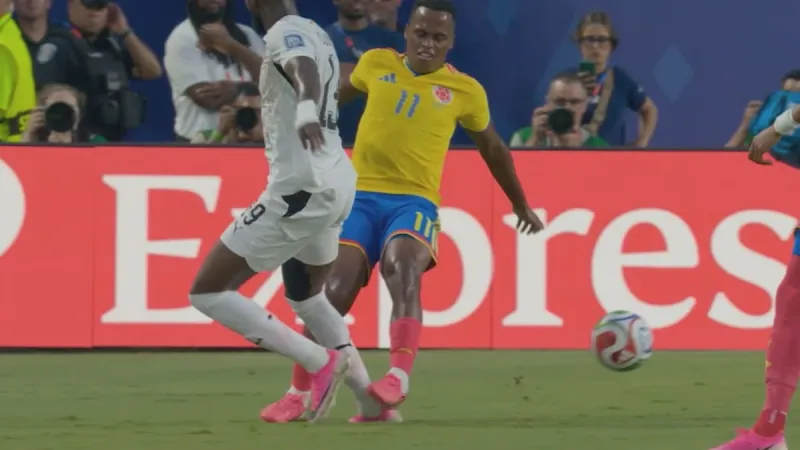
Jhon Arias delivered the decisive blow for Colombia, scoring the winning goal that propelled the South American nation into the World Cup round of 16. The dramatic victory over Ghana, however, arrives shadowed by considerable controversy surrounding whether Arias should have even been on the field to net the crucial strike, following an earlier foul widely considered worthy of a red card.
The match, a tightly contested affair against Ghana, saw both teams battling fiercely for a coveted spot in the knockout stages. Colombia ultimately emerged victorious, shattering Ghana's hopes of continuing their World Cup 2026 campaign and significantly diminishing African prospects in the tournament.
The pivotal moment of contention arose earlier in the game when Arias committed a challenge that drew immediate scrutiny. Observers and pundits alike quickly flagged the tackle as potentially reckless, with many arguing that it met the criteria for a direct sending-off offense. Despite the vigorous protests from the Ghanaian bench and players, the match official opted to show a yellow card, allowing Arias to remain in the game.
This decision proved immensely impactful, altering the complexion of the contest. Had Arias been dismissed, Colombia would have faced the daunting task of playing a significant portion of the match with only ten men, a scenario that could have drastically changed the final outcome. The referee's judgment became an immediate talking point across sports networks and social media platforms.
With the controversy still simmering, Arias seized his opportunity to etch his name into Colombia's World Cup folklore. His well-taken goal ignited jubilant celebrations among Colombian players and fans, securing their passage to the next stage of the prestigious global tournament. For a deeper dive into the match dynamics, readers can revisit the article World Cup 2026: Colombia, Ghana Clash in Early Morning Battle.
Post-match discussions predictably centered not just on Colombia's triumph but on the contentious refereeing call. Analysts meticulously replayed the incident, weighing the severity of Arias's challenge against the spirit of fair play and the rules of the game. The consensus among many commentators leaned towards the foul warranting a harsher penalty.
For Colombia, the victory represents a significant achievement, building momentum as they advance to the challenging round of 16. Their performance thus far, punctuated by moments of individual brilliance and collective determination, positions them as a formidable opponent in the knockout phase. The squad will undoubtedly be buoyed by the win, even as questions linger over the officiating.
Conversely, Ghana's World Cup journey concludes at this stage, a bitter pill to swallow after a hard-fought battle. Their elimination means the field of African teams is narrowing considerably, as explored in the piece Colombia Ends Ghana's Run, African World Cup Prospects Slim. The team will now look to regroup and analyze their campaign, focusing on future international competitions.
Such contentious incidents are not uncommon in high-stakes World Cup matches, where split-second decisions by officials can have monumental consequences for national teams and their aspirations. These moments often fuel spirited debate, becoming indelible parts of tournament narratives and legacy.
The integrity of the game is frequently tested by such close calls, and this particular incident involving Jhon Arias will likely be dissected for days to come. It serves as a stark reminder of the immense pressure on World Cup referees and the fine margins that often separate victory from defeat, and progression from elimination.
Colombia now prepares for its next challenge, carrying the weight of expectation and the knowledge that a controversial decision played a part in their advancement. The focus will quickly shift to their upcoming opponent, as they aim to continue their unexpected run in the World Cup 2026.