 Dodi Irawan
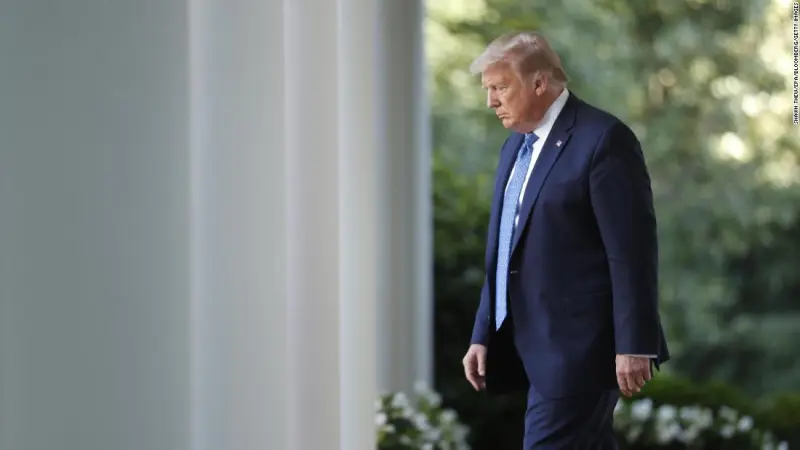
WASHINGTON — Top Republicans in Congress are issuing sharp warnings to President Donald Trump over his administration's ongoing plan to significantly reduce U.S. troop presence in Germany, arguing the strategic shift sends a dangerous signal to Russian President Vladimir Putin and could destabilize European security. The concerns, voiced by influential voices within the Republican Party, underscore a significant foreign policy rift within the typically aligned party as 2026 progresses.
The controversial decision, initially announced in previous years and now actively being implemented, involves the redeployment or withdrawal of several thousand U.S. military personnel and their families from Germany. Administration officials have cited reasons such as strategic realignment, burden-sharing with allies, and a reevaluation of global defense posture as drivers for the move.
However, senior Republican lawmakers counter that the timing and execution of these withdrawals undermine NATO's deterrence posture at a critical juncture. "Weakening our forward presence in Germany sends precisely the wrong message to adversaries like Vladimir Putin, who constantly probes for signs of allied disunity or waning American resolve," stated a high-ranking Republican defense committee member, speaking on background.
Senator Mitch McConnell, a consistent advocate for a robust transatlantic alliance, has repeatedly voiced apprehension regarding the long-term implications for NATO cohesion. His office indicated that reducing troop levels in a key European bastion could invite Russian adventurism, particularly in Eastern Europe, where Moscow's aggressive actions remain a persistent threat.
Other prominent Republican figures, including Senator Lindsey Graham, have echoed these sentiments, stressing that the withdrawals could be perceived by Putin as an invitation to exploit perceived weaknesses in the Western alliance. They emphasize that maintaining a strong conventional presence in Germany is fundamental to projecting stability and readiness across the continent.
These warnings are rooted in the belief that a visible and formidable U.S. military footprint in Europe acts as a crucial tripwire, complicating any potential calculus by Russia for further territorial expansion or destabilizing actions against neighboring states. Any perceived diminution of this commitment, they contend, directly plays into Moscow's strategic objectives.
The Trump administration, conversely, maintains that the withdrawals are part of a necessary modernization and optimization of U.S. forces globally. Officials have suggested some troops may be repositioned to other European nations, like Poland, or returned to the United States, allowing for greater flexibility and cost efficiency.
Despite these assurances, the bipartisan appeal of strong NATO support has traditionally been a bedrock of American foreign policy. The current intra-party disagreement among Republicans highlights the deep divisions on how best to confront evolving geopolitical challenges and maintain global leadership while recalibrating military deployments.
Experts from various foreign policy think tanks have weighed in, with many supporting the Republican lawmakers concerns. They point to Russia's continued military buildup and its demonstrated willingness to use force against sovereign nations as a reason to maintain, not reduce, U.S. military strength in proximity to potential flashpoints.
The debate also touches upon the broader commitment of NATO allies to meet their defense spending targets. While the administration has often pressed allies for increased contributions, Republican critics argue that unilateral troop reductions from the U.S. without commensurate commitments from Europe could inadvertently weaken the alliance rather than strengthen it.
As President Trump navigates the complexities of global security, the warnings from his own party regarding the Germany troop withdrawals present a significant challenge. The long-term impact on U.S. influence in Europe and the delicate balance of power with Russia will undoubtedly remain a central focus in foreign policy discussions throughout 2026.
This issue will likely feature prominently in upcoming congressional hearings and debates surrounding the annual defense budget, as Republicans seek to exert influence over the strategic direction of U.S. military deployments abroad.