 Dodi Irawan
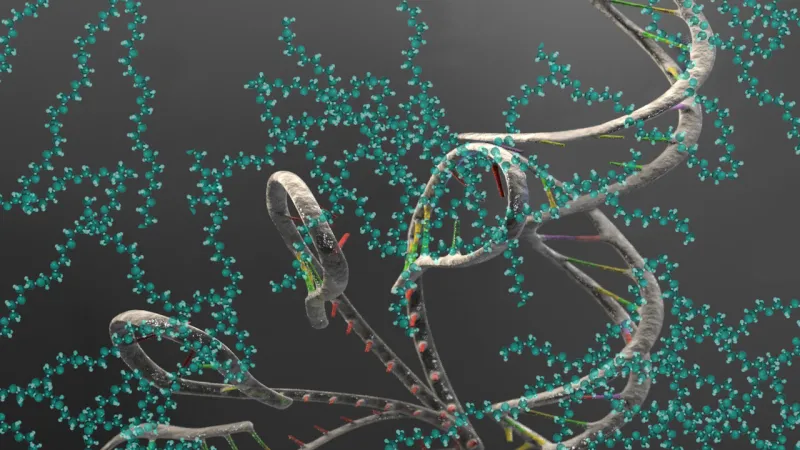
New research in RNA-based therapies is generating significant optimism among medical professionals and patients, offering a potent new frontier in the fight against a spectrum of debilitating genetic diseases, including cystic fibrosis and various forms of muscular dystrophy. This scientific advancement, unfolding across leading research institutions globally, promises to fundamentally alter treatment paradigms by addressing the root causes of these conditions at a molecular level, potentially transforming lives by mid-decade.
Messenger RNA, or mRNA, long known as the molecular blueprint for protein production within cells, has moved from a theoretical concept to a cornerstone of modern medicine. Beyond its recent application in vaccine development, scientists now harness RNA's inherent versatility to correct genetic errors, silence disease-causing genes, or introduce functional proteins where they are missing. This precision makes RNA therapies exceptionally promising for conditions previously considered intractable.
Cystic fibrosis, a severe, inherited disorder affecting primarily the lungs and digestive system, results from mutations in the CFTR gene. Existing treatments manage symptoms, but RNA-based approaches seek to either correct the faulty CFTR protein production or bypass the genetic defect entirely. Early stage trials demonstrate encouraging results, suggesting a future where patients experience significantly improved lung function and reduced complications.
Similarly, muscular dystrophies, a group of genetic diseases characterized by progressive weakness and degeneration of skeletal muscles, present a formidable challenge. Duchenne muscular dystrophy, for instance, is caused by mutations in the dystrophin gene. RNA therapies aim to restore functional dystrophin protein or employ exon skipping techniques to produce a truncated but functional version of the protein, potentially slowing or halting muscle deterioration.
The underlying principle of these RNA therapies involves delivering specific RNA molecules into cells. These molecules can either serve as temporary instructions for producing therapeutic proteins, like in mRNA vaccines, or interfere directly with the faulty RNA produced by a mutated gene. This targeted intervention allows for highly specific corrections without permanently altering the patients DNA, making them a potentially safer alternative to gene editing techniques for some applications.
The global scientific community has mobilized substantial resources into this field. Academic institutions, pharmaceutical companies, and biotechnology startups are collaboratively pushing the boundaries of RNA delivery systems and therapeutic design. Major breakthroughs in nanoparticle technology, for example, have significantly improved the safe and efficient transport of RNA molecules to target cells within the body.
Despite the excitement, the path to widespread clinical application for RNA therapies is not without its challenges. Ensuring the stability of RNA molecules in vivo, minimizing off-target effects, and developing cost-effective manufacturing processes remain critical hurdles. Regulatory bodies globally are also working to establish clear guidelines for evaluating the safety and efficacy of these novel treatments.
Numerous clinical trials are currently underway worldwide, testing various RNA-based drug candidates for a range of genetic disorders. These trials, progressing through different phases, carefully assess dosages, administration routes, and patient responses. Positive outcomes from these studies will be pivotal in bringing these innovative treatments to patients who desperately need them.
The success of RNA therapies extends beyond cystic fibrosis and muscular dystrophy. Researchers are exploring their potential for treating other rare genetic conditions, neurodegenerative diseases, and even certain types of cancer. The platform versatility of RNA technology suggests a future where bespoke therapies could be rapidly developed for a multitude of diseases.
For patients and their families, the advent of RNA therapies represents a beacon of hope. Many have lived with the understanding that their conditions had no cure, only symptom management. The prospect of treatments that can address the fundamental cause of their illness offers an unprecedented shift in their quality of life expectations and long-term prognosis.
As 2026 progresses, the trajectory of RNA research points towards an era of highly personalized, precision medicine. Genetic screening and diagnostic tools are becoming more sophisticated, allowing for earlier identification of genetic predispositions and more targeted therapeutic interventions. RNA technology is perfectly positioned to leverage these advancements.
The economic impact of these advancements is also considerable. Investing in RNA research not only promises medical breakthroughs but also fuels a burgeoning biotechnology sector, creating jobs and fostering innovation. However, ensuring equitable access to these potentially life-changing therapies remains a significant societal challenge that policymakers must address.